Madiun and Its Cultural Festivals: Key Events You Shouldn't Miss
Madiun, nestled in the heart of East Java, is a city that pulses with vibrant traditions, community spirit, and a colorful calendar of cultural festivals. While many know Madiun for its culinary delicacies or as a transportation hub, there’s a rich layer of cultural celebration that truly defines the Madiun experience. From centuries-old rituals to modern creative showcases, these festivals offer a unique window into the soul of this dynamic region. For visitors and locals alike, attending Madiun’s key cultural festivals is not only an opportunity for entertainment but also a chance to immerse in authentic Javanese heritage, artistry, and community pride.
The Cultural Heartbeat of Madiun
Madiun’s cultural festivals are deeply rooted in the city’s history and traditions, reflecting both its agrarian past and its aspirations as a modern urban center. The city’s population of over 200,000 (2023 government data) comes together throughout the year to celebrate, preserve, and innovate its cultural identity. These festivals often blend elements of traditional Javanese music, dance, crafts, and culinary arts, offering visitors a multi-sensory experience that goes far beyond mere spectacle.
What makes Madiun’s festival scene unique is its ability to blend local customs with broader Indonesian influences. For instance, while the city reveres traditional wayang (shadow puppet) performances and reog dances, it also embraces contemporary art forms through events like the Madiun Creative Festival. This dynamic interplay ensures there’s something for every generation and background, making the city’s festival calendar both diverse and inclusive.
.png)
Top Must-See Festivals in Madiun
If you’re planning a trip to Madiun or looking to explore more of your own backyard, there are several standout festivals that should be on your radar. These events not only attract thousands of visitors annually but also serve as vital platforms for cultural preservation and creative expression.
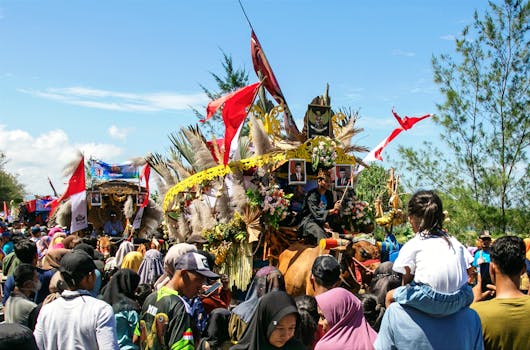
1. Grebeg Suro (1 Muharram Celebration) Grebeg Suro is perhaps the most iconic festival in Madiun, held every Islamic New Year (1 Muharram). This celebration is marked by a grand parade featuring traditional costumes, horse processions, and the symbolic cleaning of heirlooms (pusaka) at the city’s historic sites. The festival often draws over 10,000 attendees, including local dignitaries and international tourists.The highlight of Grebeg Suro is the Kirab Pusaka, a procession where sacred objects are paraded through the city, believed to bring blessings and protection for the year ahead. Traditional art performances, culinary fairs, and cultural exhibitions accompany the main event, giving visitors a comprehensive taste of local heritage.
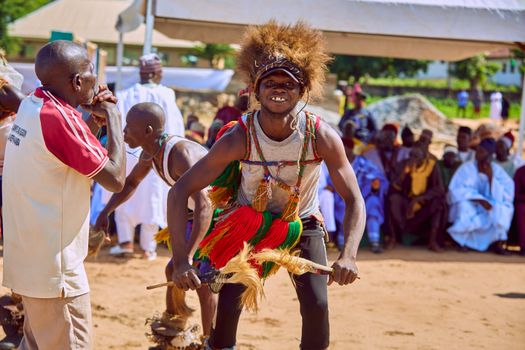
2. Festival Reog Ponorogo Madiun Reog Ponorogo, though originating from neighboring Ponorogo, has become an integral part of Madiun’s cultural scene due to shared historical ties. The annual Reog festival in Madiun features dramatic performances with lion-like masks, vibrant costumes, and acrobatic dances. With over 500 performers and large crowds, this festival is a highlight for anyone interested in traditional Javanese folklore. 3. Madiun Creative Festival Reflecting the city’s modern, youthful spirit, the Madiun Creative Festival showcases contemporary arts, music, and digital innovation. It provides a stage for young artists, musicians, and tech enthusiasts to display their talents. Workshops, art installations, and live music are central attractions, drawing a crowd that often exceeds 7,000 participants. 4. Kirab Tumpeng Sewu Kirab Tumpeng Sewu (Procession of a Thousand Tumpeng) is a unique culinary and cultural event where over a thousand tumpeng (cone-shaped rice offerings) are paraded and then shared among attendees. This festival symbolizes gratitude, community togetherness, and prosperity, and is especially popular with families and food lovers. 5. Madiun Batik Carnival The Madiun Batik Carnival is a visual feast, spotlighting the city’s proud textile heritage. Local designers and artisans display their finest batik in a parade of spectacular costumes, blending traditional patterns with contemporary fashion sensibilities. The event not only celebrates craftsmanship but also boosts the local creative economy.Traditional Rituals and Modern Innovations
One of the defining characteristics of Madiun’s festivals is the fusion of age-old rituals with modern creativity. Many festivals begin with traditional prayers or processions, invoking ancestral spirits and seeking blessings, before transitioning into contemporary performances or exhibitions.
For example, during Grebeg Suro, the initial Kirab Pusaka connects participants to their historical roots, while the subsequent music concerts and dance battles engage younger audiences. Similarly, the Madiun Creative Festival often partners with local schools and universities to encourage youth participation, ensuring the city’s traditions continue to evolve with the times.
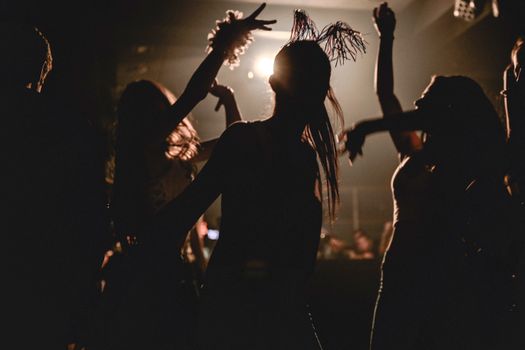
This blend of old and new has measurable impacts: according to the Madiun Tourism Office, festival attendance by young people (aged 18-30) has increased by 35% over the past five years, driven by the integration of digital art and social media-friendly events.
Economic and Social Impact of Madiun’s Festivals
Beyond cultural preservation, Madiun’s festivals are powerful engines for economic growth and social cohesion. According to a 2023 report by the East Java Cultural Affairs Department, festival-related tourism in Madiun contributes approximately IDR 12 billion (about USD 800,000) to the local economy each year. This includes spending on accommodation, food, transportation, and souvenirs.
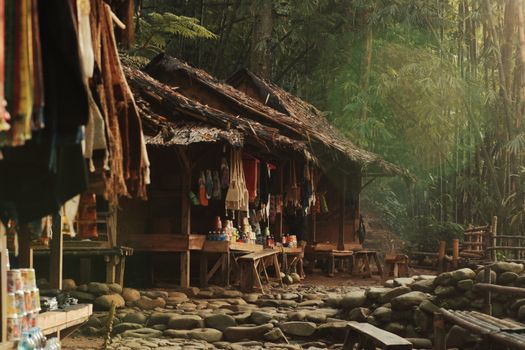
Local businesses, from street vendors to boutique hotels, see a significant uptick in revenue during major festivals. Artisan markets and pop-up stalls are common sights, offering everything from handmade batik to traditional snacks like pecel madiun. For many artisans and small business owners, festival season accounts for up to 40% of their annual income.
Socially, these festivals foster a sense of unity and pride among Madiun’s diverse communities. They provide platforms for intergenerational exchange, talent development, and cultural diplomacy. Schools and youth organizations actively participate, ensuring that traditions are passed down and adapted for future generations.
Comparing Madiun’s Major Festivals
For visitors keen to plan their trip around Madiun’s festival calendar, the following table provides a comparative overview of the city’s major cultural events, highlighting their unique features and visitor appeal.
| Festival Name | Time of Year | Main Features | Estimated Attendance | Key Attractions |
|---|---|---|---|---|
| Grebeg Suro | 1 Muharram (Islamic New Year) | Traditional parade, heirloom procession, art performances | 10,000+ | Kirab Pusaka, culinary fair, music |
| Festival Reog Ponorogo Madiun | August-September | Reog dance, folklore, costumes | 5,000+ | Reog performance, crafts bazaar |
| Madiun Creative Festival | June-July | Art exhibitions, music, tech workshops | 7,000+ | Live music, digital art, youth competitions |
| Kirab Tumpeng Sewu | April-May | Culinary parade, tumpeng sharing | 3,000+ | Tumpeng procession, food tasting |
| Madiun Batik Carnival | October | Batik fashion show, design competition | 4,000+ | Batik parade, artisan market |
How to Experience Madiun’s Festivals Like a Local
To truly savor the magic of Madiun’s cultural festivals, a little preparation goes a long way. Here are some tips to enhance your experience:
- Plan ahead: Major festivals like Grebeg Suro and the Batik Carnival can draw large crowds, so book accommodation early and check official schedules through the Madiun Tourism Office. - Embrace local customs: Don’t be afraid to join in traditional rituals or sample local foods during culinary festivals. Respect local dress codes and etiquette, especially during religious ceremonies. - Support local artisans: Festivals are prime opportunities to purchase authentic crafts, textiles, and snacks directly from creators, supporting the local economy. - Capture memories responsibly: Photography is welcome at most festivals, but always ask permission before taking close-ups of performers or sacred objects. - Use public transport: Madiun’s main festival venues are accessible by public transport, and some streets may be closed to vehicles during parades. - Bring the family: Many events offer special activities for children, making them perfect for family outings.Final Thoughts on Madiun and Its Cultural Festivals
Madiun’s cultural festivals are more than just annual events—they are the living, breathing heart of the city’s identity. Through the spectacle of parades, the rhythm of traditional music, and the taste of shared meals, Madiun’s residents and visitors alike are invited to celebrate what makes this city truly unique. As these festivals evolve, they continue to connect generations, support local economies, and open a window to the deep-rooted traditions of East Java.
Whether you’re a cultural enthusiast, a culinary adventurer, or simply looking for an unforgettable community experience, Madiun’s festival calendar promises something extraordinary. Mark your calendar and let the city’s vibrant celebrations inspire your next journey.