Madiun, a vibrant city nestled in East Java, Indonesia, has long been a crossroads of culture, commerce, and innovation. While many recognize Madiun for its rich culinary heritage, lively arts scene, and eco-tourism opportunities, its strategic role as a transportation hub has quietly shaped its destiny over the centuries. The story of transportation in Madiun is more than the tale of trains and roads; it’s an account of how connectivity brought growth, modernity, and resilience to this unique city.
From traditional horse-drawn carts to state-of-the-art trains and bustling bus terminals, Madiun’s transportation systems mirror the city’s evolution and Indonesia’s broader journey toward modernization. Let’s explore the fascinating history of transportation in Madiun and discover how it has propelled the city’s growth, transformed daily life, and positioned Madiun as a vital link in East Java’s network.
Early Transportation in Madiun: From Footpaths to Dokar
In the earliest days, Madiun was a predominantly agrarian society. The city’s residents depended on simple, traditional methods of transportation. Walking was the most common means of travel for both people and goods, with narrow footpaths snaking between villages and rice paddies.
.png)
As Madiun’s population grew in the 19th century, the need for more efficient transportation became clear. This era saw the rise of the dokar—horse-drawn carts that became the backbone of local mobility. Dokar were used extensively not just for ferrying people but also for transporting agricultural produce to local markets. By the late 1800s, it’s estimated that dozens of dokar operated daily in and around the city center, especially on market days.
The dokar’s importance extended beyond mere transportation. It shaped Madiun’s social and economic fabric, with routes often determining the location of markets, schools, and even places of worship. The dokar also became a cultural symbol, celebrated in local festivals and artwork—a testament to its deep-rooted significance.
The Rail Revolution: Madiun’s Golden Era of Trains
Madiun’s fortunes changed dramatically with the arrival of the railway in the early 20th century. The Dutch colonial government, recognizing Madiun’s strategic location between Surabaya and Yogyakarta, established a major railway line through the city in 1882. The completion of the Madiun railway station in 1884 was a watershed moment.
The railway brought unprecedented mobility and economic opportunity. Goods that once took days to transport by dokar could now reach distant markets in a matter of hours. By 1920, Madiun’s train station was handling over 200,000 passengers and 30,000 tons of freight annually—a staggering figure for the time.
The railway’s impact was profound:
- It fueled Madiun’s emergence as a commercial center for rice, sugar, and tobacco. - The city’s population surged, growing from approximately 25,000 in 1900 to over 60,000 by 1930. - The iconic PT INKA (Industri Kereta Api), Indonesia’s leading train manufacturer, was eventually established in Madiun in 1981, cementing the city’s reputation as the “city of trains.”The railway remains central to Madiun’s identity. Today, Madiun Station is one of East Java’s busiest, serving an average of 1.2 million passengers per year and connecting the city to key destinations like Surabaya, Jakarta, and Bandung.
The Rise of Roads and Motorized Transport
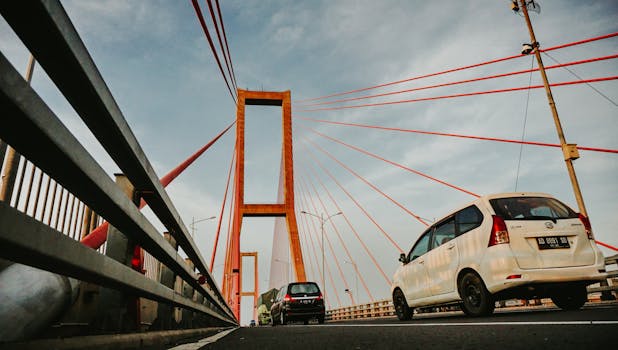
The post-independence era saw another major transformation: the rapid expansion of road networks and adoption of motorized vehicles. As Indonesia modernized in the 1950s and 1960s, the government invested heavily in road infrastructure, linking Madiun more closely with other cities in East Java.
Motorcycles and private cars began replacing dokar and bicycles as the primary means of transportation. By 1970, Madiun’s vehicle population had more than tripled compared to 1950, with over 5,000 registered motorcycles and 1,200 cars. Bus terminals were established to facilitate both intra-city and inter-city travel, and public minivans (angkot) became a popular option for daily commuters.
The impact of motorization was especially evident in trade and daily life:
- Travel times to Surabaya dropped from 10-12 hours by dokar or bicycle to less than 4 hours by bus or car. - The city’s bus terminal, Terminal Purboyo, opened in 1976 and now handles over 1,500 buses and 15,000 passengers per day. - Local industries benefited from faster, more reliable transportation for both raw materials and finished goods.The shift to motorized transport also brought challenges: increased congestion, pollution, and the gradual phasing out of traditional dokar, which are now mostly found in tourism areas or used for ceremonial occasions.
Modern Transport: Integrating Technology and Urban Mobility
As Madiun entered the 21st century, the city embraced technological advancements in transportation. Urban planning initiatives focused on streamlining traffic, improving road safety, and integrating various modes of transport for greater efficiency.
A few key developments include:
- The expansion and modernization of Madiun Station, now equipped with digital ticketing and real-time tracking systems. - Introduction of online ride-hailing services, such as Gojek and Grab, which have revolutionized how residents navigate the city. - The construction of new bypass roads and flyovers to alleviate congestion in the city center.Public transportation remains a focal point. The government has piloted environmentally friendly buses and is considering the implementation of Bus Rapid Transit (BRT) systems. Bicycle lanes and pedestrian-friendly zones are also being developed to promote sustainable urban mobility.
According to the Madiun City Transportation Office, public transport usage has increased by 15% between 2018 and 2023, while average commuting times in the city have dropped by about 10% due to infrastructure improvements.
Transportation Milestones in Madiun: A Comparative Overview
To understand how transportation modes have shifted over time, here’s a comparative table outlining key milestones and their impacts:
| Era | Main Transport Modes | Key Infrastructure | Notable Impacts |
|---|---|---|---|
| Pre-1900 | Walking, dokar (horse carts) | Footpaths, basic roads | Limited trade, community-focused economy |
| 1900-1945 | Dokar, bicycles, trains | Madiun Station, railway lines | Commercial boom, population growth, regional connectivity |
| 1945-1980 | Trains, buses, private cars, motorcycles | Bus terminals, expanded road networks | Urbanization, faster trade, increased travel opportunities |
| 1980-2000 | Trains, cars, buses, angkot | PT INKA, modernized roads | Industrial growth, emergence as transport hub |
| 2000-present | Trains, cars, buses, ride-hailing, bicycles | Modern station, bypass roads, digital services | Integrated mobility, urban efficiency, environmental focus |
This overview highlights how each era brought its own transportation innovations, shaping Madiun’s growth, character, and connectivity.
Looking Ahead: The Future of Transportation in Madiun
Madiun’s transportation story is far from over. The city continues to innovate, with several forward-looking projects underway:
- $1 Plans to expand bicycle lanes and promote electric vehicles are gaining momentum. By 2025, the city aims to reduce carbon emissions from transport by 20%. - $1 The adoption of smart traffic management systems, including AI-driven traffic lights and integrated public transport apps, is expected to further reduce congestion. - $1 PT INKA, headquartered in Madiun, is developing Indonesia’s first locally produced electric trains, with prototypes expected to roll out by 2026. This positions Madiun as a national leader in rail technology. - $1 Enhanced highway links and potential high-speed rail connections could further cement Madiun’s role as a key transit point between East and Central Java.These initiatives underscore Madiun’s commitment to sustainable, inclusive, and modern urban mobility—ensuring that transportation continues to drive the city’s prosperity in the decades to come.
Final Reflections: How Transportation Shaped Madiun’s Identity
The history of transportation in Madiun is a microcosm of the city’s broader transformation—from a quiet agricultural outpost to a dynamic urban center. Each stage of transportation development, from dokar to digital train systems, has left an indelible mark on the city’s landscape and its people.
Today, Madiun stands as both a symbol of tradition and a beacon of innovation. The city’s transportation systems connect not just places, but also generations, ideas, and ambitions. As Madiun looks to the future, its experience offers valuable lessons in adaptability, resilience, and the enduring power of mobility to shape lives and communities.