Madiun and Its Historical Sites: The Most Significant Places You Should See
Nestled in the heart of East Java, Indonesia, Madiun is a city with a rich tapestry of history that often goes overlooked by travelers in favor of its bigger neighbors. While many come to Madiun for its famed pecel (spicy peanut sauce salad) or vibrant modern culture, the city also boasts a remarkable array of historical sites that paint a vivid picture of its storied past. From colonial-era architecture to ancient temples and key locations from Indonesia’s struggle for independence, Madiun is a veritable treasure trove for history enthusiasts and culturally curious visitors alike. Whether you’re an avid historian or simply looking to enrich your journey, exploring Madiun’s most significant historical sites will leave you with a deeper appreciation for the city’s unique legacy.
The Legacy of Reog Ponorogo and Madiun’s Cultural Fusion
One of Madiun’s most distinctive features is its position as a cultural crossroads. The city sits at a historic junction between Javanese, Madurese, and Ponorogo traditions. This blend is perhaps best exemplified by the influence of Reog Ponorogo, a traditional dance-drama that originated nearby but found a home in Madiun’s cultural scene.
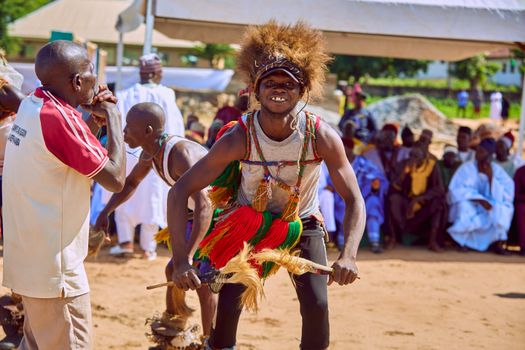
Although not a single site, the legacy of Reog is visible in several places around the city, including the annual Reog Festival held in Alun-Alun Madiun (the city square). The festival, which attracts over 10,000 visitors each year, showcases elaborate lion-like masks and vibrant costumes. Statues depicting Reog dancers can also be found at intersections and public parks, reminding visitors of the city’s commitment to preserving this centuries-old art form. In 2019, Madiun’s Reog Festival was recognized as one of the largest cultural events in East Java, highlighting its significance in shaping the city’s historical identity.
.png)
Van Deventer Bridge: A Remnant of the Colonial Era
Madiun’s colonial history is perhaps best embodied by the Van Deventer Bridge (Jembatan Van Deventer), an iconic structure that dates back to the early 20th century. Constructed in 1913 during the Dutch colonial period, the bridge was named after C. Th. van Deventer, a Dutch politician and lawyer known for his advocacy of the Ethical Policy—a measure intended to improve the welfare of the indigenous population.
The bridge spans the Kali Madiun (Madiun River) and was once a vital artery for connecting the city to surrounding areas. While much of the original structure has been preserved, modern safety features have been added to accommodate current traffic. The bridge’s graceful arches and cast-iron details offer a glimpse into the engineering prowess of the colonial era. Today, it stands as both a practical crossing and a historical monument, drawing visitors interested in architecture and the complex legacies of colonialism.
Pesantren Tegalsari: Spiritual and Educational Heritage
Located just outside Madiun proper, Pesantren Tegalsari is one of Indonesia’s oldest Islamic boarding schools and an important center of religious learning. Established in the 18th century by Kyai Ageng Hasan Besari, Tegalsari played a pivotal role in shaping Java’s Islamic intellectual tradition.
The pesantren was once home to thousands of santri (students), including Raden Mas Said, later known as Prince Mangkunegara I, a key figure in Javanese history. Its influence extended far beyond Madiun, as graduates went on to establish other pesantren and spread Islamic teachings across Java. The original complex includes ancient wooden mosques, tombs of the founders, and traditional Javanese pavilions.
In 2022, Pesantren Tegalsari received over 7,000 pilgrims and historical tourists, many of whom come to pay their respects at the site’s sacred graves or to trace their family roots. Guided tours are available for visitors interested in learning about the pesantren’s storied past and continuing legacy in Indonesian education.
Kota Lama Madiun: Exploring the Old Town District
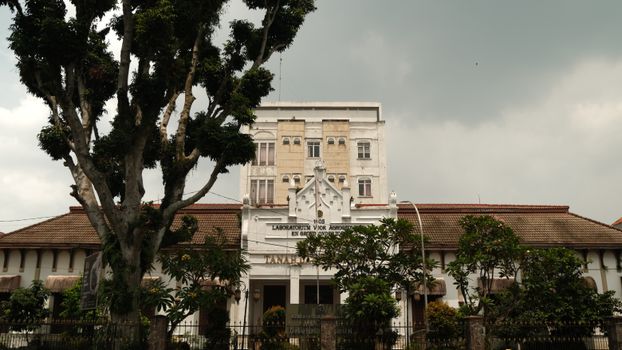
The Kota Lama (Old Town) district of Madiun offers a fascinating window into the city as it stood during the late 19th and early 20th centuries. This area is characterized by colonial-era buildings, Dutch-style houses, and narrow, winding streets. Walking through Kota Lama feels like stepping back in time; many of the structures still retain their original facades, with intricate woodwork, stained glass windows, and colorful tiles hinting at the city’s prosperous colonial past.
Some notable buildings in Kota Lama include the former Bank BRI building (originally a Dutch bank), built in 1926, and the old post office, which has been in continuous operation for nearly a century. In recent years, local authorities have begun restoration projects to preserve these architectural gems and promote heritage tourism. In 2023, the city government allocated IDR 2.5 billion (about USD 170,000) for the renovation of several key buildings, highlighting a growing recognition of the value of Madiun’s historical assets.
Monumen Kresek: A Testament to Indonesia’s Struggle for Independence
Few sites in Madiun encapsulate the city’s turbulent modern history as powerfully as Monumen Kresek. Located about 8 kilometers from the city center, this monument commemorates the tragic events of 1948, when Madiun became the epicenter of a failed communist uprising—the Madiun Affair. The crackdown that followed resulted in the deaths of thousands, including civilians and independence fighters.
Monumen Kresek was established in 1987 as a memorial to those who lost their lives in the conflict. The site features a large, somber monument, several dioramas depicting scenes from the uprising, and plaques bearing the names of victims. Each year, the monument receives around 15,000 visitors—many of them school groups and historians—making it one of the most visited historical landmarks in the region. The site offers guided tours with detailed explanations of the events, encouraging reflection on Indonesia’s journey toward unity and democracy.
Comparing Madiun’s Top Historical Sites: Visitor Numbers and Key Features
To help you plan your historical journey through Madiun, here’s a comparison of the city’s most significant sites, based on visitor numbers, period of significance, and unique features.
| Site Name | Annual Visitors (2023) | Historical Period | Notable Features |
|---|---|---|---|
| Reog Festival & Cultural Sites | 10,000+ | Ongoing (Traditional) | Live performances, statues, cultural fusion |
| Van Deventer Bridge | 6,500 | 1913 (Colonial Era) | Architectural landmark, river views |
| Pesantren Tegalsari | 7,000 | 18th Century | Ancient mosques, tombs, religious education |
| Kota Lama Madiun | 8,000 | Late 19th - Early 20th Century | Colonial architecture, historic banks & post office |
| Monumen Kresek | 15,000 | 1948 (Post-Independence) | Memorial monument, dioramas, guided tours |
This table highlights the diversity of Madiun’s historical attractions, from spiritual hubs to sites of political upheaval. Whether you are interested in architecture, cultural performances, or Indonesia’s path to independence, Madiun offers a rich selection of historical experiences.
Uncovering Madiun’s Hidden Gems: Lesser-Known Historical Sites
Beyond the major landmarks, Madiun hides several lesser-known sites that offer equally intriguing glimpses into its past. One such example is the Klenteng Hwie Ing Kiong, a Chinese temple built in 1880. This temple is a testament to the multicultural heritage of the city, serving as a place of worship for Madiun’s Chinese community for over a century. The temple’s ornate carvings, red lanterns, and dragon motifs make it a visual marvel and a peaceful retreat from the bustle of the city.
Another hidden gem is the tomb of Kyai Prawirorejo, the first Regent of Madiun, located in the Caruban subdistrict. This site is visited by local historians and descendants seeking to honor the region’s administrative founder. Each year, the tomb receives an estimated 2,000 visitors, particularly during traditional commemorative events.
For railway enthusiasts, Madiun’s old train station, built in 1910, offers a look at how the expansion of the rail network shaped the city’s development. Although the main station has been modernized, remnants of the original structure and vintage railcars can still be seen, making it a nostalgic stop for those interested in Indonesia’s transportation history.
Why Madiun’s Historical Sites Matter Today
Exploring Madiun’s historical sites is more than a journey into the past; it’s a chance to better understand the forces that have shaped modern Indonesia. The city’s blend of cultural traditions, colonial influences, religious heritage, and moments of national struggle reflect the broader story of the archipelago.
In recent years, efforts to preserve and promote these sites have gained momentum. The local government’s investment in restoration and tourism infrastructure is yielding results: between 2019 and 2023, annual tourist visits to Madiun’s historical sites increased by 28%. This not only boosts the local economy but also ensures that future generations can learn from and appreciate the city’s unique legacy.
For visitors, these sites offer immersive experiences—whether it’s attending a lively Reog performance, contemplating the sacrifices commemorated at Monumen Kresek, or wandering the atmospheric streets of Kota Lama. By supporting local guides, museums, and preservation efforts, travelers contribute to the ongoing story of Madiun’s heritage.