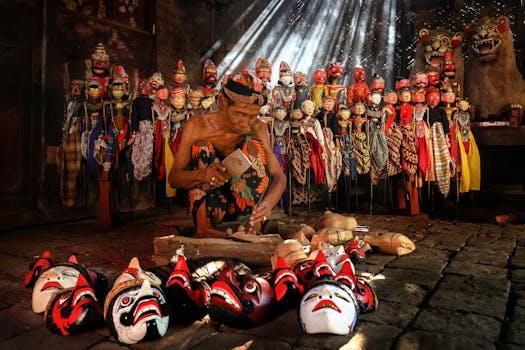
Madiun and Its Traditional Crafts: Preserving Timeless Arts in East Java
East Java’s lively city of Madiun is often celebrated for its culinary delights and vibrant local culture. Yet, beneath the surface of bustling markets and scenic landscapes lies a rich legacy of traditional craftsmanship that has been handed down through generations. These arts and crafts are not just souvenirs for travelers—they are living expressions of Madiun’s identity, embodying centuries-old techniques, community pride, and creative resilience. In this article, we journey through the world of Madiun’s traditional crafts, exploring the unique artisanship, the stories behind each creation, and how these crafts continue to thrive and adapt in the modern era.
The Rich Heritage of Batik Madiun: Patterns That Tell a Story
Batik, the iconic Indonesian textile art, finds a distinctive expression in Madiun. While batik is widely produced across Java, Madiun’s batik stands out for its subtle color palette and storytelling motifs. Known as Batik Madiun, these textiles often feature unique patterns inspired by local legends, flora, and fauna. Common motifs include the Parang Madu (symbolizing harmony) and Sido Luhur (representing noble life), each hand-drawn with hot wax and natural dyes.
Batik making in Madiun is a meticulous process. Artisans, often women from family-run workshops, painstakingly draw intricate designs using a canting (a pen-like instrument). The fabric is then dyed, and the wax is removed to reveal beautiful patterns. According to the East Java Batik Association, Madiun hosts over 25 small-scale batik producers, sustaining the livelihoods of around 400 artisans as of 2023.
.png)
The city actively promotes its batik heritage through annual festivals and workshops, encouraging younger generations to learn the craft. In 2022, Madiun’s batik exports reached over 100,000 meters of fabric, contributing significantly to the local economy and introducing its artistry to international markets.
Kerajinan Bambu Madiun: The Art of Bamboo Crafting
Bamboo is deeply integrated into Javanese life, and in Madiun, it has been elevated into an art form. Kerajinan bambu (bamboo crafts) encompasses a wide array of products, from household items like baskets and trays to decorative pieces and traditional musical instruments. Bamboo’s abundance in the region, coupled with generations of expertise, makes this a sustainable and innovative craft.
One of the most well-known bamboo products from Madiun is the besek—a woven bamboo container traditionally used to wrap food and gifts. Modern artisans have expanded their repertoire to include contemporary items such as lampshades, wall art, and eco-friendly packaging, appealing to both local buyers and tourists seeking sustainable souvenirs.
The process of crafting bamboo items is labor-intensive. Artisans select mature bamboo stalks, split them into thin strips, and weave them into intricate patterns. The local government’s 2021 Craft Census reported that Madiun is home to over 40 bamboo craft workshops, employing more than 300 craftspeople.
Wayang Kulit: Madiun’s Shadow Puppet Mastery
Wayang kulit, the traditional shadow puppet theater, is a treasured art in East Java, and Madiun is one of its strongholds. This ancient art form combines storytelling, music, and visual artistry, with performances that can last through the night. While wayang kulit is most famously associated with Solo and Yogyakarta, Madiun’s puppeteers and craftsmen bring their own flair to the tradition.
The creation of wayang kulit puppets is a demanding craft. Artisans carve intricate figures from buffalo hide, paint them with vivid colors, and mount them on sticks for manipulation. Madiun’s puppeteers, or dalang, are renowned for their improvisational skills, blending classical epics with local folklore and contemporary issues.
In 2023, Madiun hosted the East Java Wayang Festival, drawing over 2,000 visitors and highlighting the city’s commitment to preserving this art. Several local workshops, such as Sanggar Seni Madiun, offer hands-on classes for children and tourists, ensuring that wayang kulit remains a vibrant part of the community.
Kerajinan Keramik: Reviving Madiun’s Ceramic Traditions
Ceramic crafts have experienced a revival in Madiun over the past decade. While not as widely known as batik or bamboo, Madiun’s ceramics are gaining recognition for their quality and distinctive designs. Local clay, rich in minerals, gives Madiun ceramics a unique texture and color.
The city’s ceramic artisans produce both functional ware—such as plates, cups, and pots—and decorative pieces featuring traditional Javanese motifs. Workshops like Keramik Madiun have embraced both hand-building and wheel-throwing techniques, blending tradition with innovation. Their products have found markets in Surabaya and Jakarta, as well as among tourists seeking unique keepsakes.
According to the Madiun Handicraft Association, the number of ceramic workshops has doubled since 2017, with annual production exceeding 20,000 pieces in 2023. This growth is attributed to increased demand for handmade, sustainable home décor and the city’s support for creative entrepreneurs.
Tenun Madiun: Weaving Heritage into Everyday Life
Tenun, or handwoven textiles, are another important part of Madiun’s craft heritage. While not as prominent as in other Indonesian regions, Madiun’s weaving tradition is kept alive by a handful of dedicated artisans. Using traditional looms, they produce intricate fabrics used for sarongs, scarves, and ceremonial attire.
Madiun’s tenun is distinguished by its earthy color palette and geometric patterns, often reflecting the natural landscape. In recent years, local designers have started incorporating tenun into modern fashion, creating a bridge between tradition and contemporary style.
Efforts to sustain tenun have been bolstered by government-supported training programs. As of 2022, more than 60 weavers were active in the region, producing over 5,000 meters of fabric annually. Community cooperatives help market these textiles, ensuring fair prices and steady demand.
Comparing Madiun’s Traditional Crafts: A Data Overview
To better understand the scale and diversity of Madiun’s traditional crafts, here’s a comparative table summarizing key data for each major craft:
| Craft | Main Products | Number of Artisans (2023) | Annual Production | Distinctive Features |
|---|---|---|---|---|
| Batik Madiun | Textiles, sarongs, clothing | ~400 | 100,000+ meters | Unique motifs, natural dyes |
| Bamboo Crafts | Baskets, trays, art, containers | ~300 | 50,000+ items | Eco-friendly, intricate weaving |
| Wayang Kulit | Puppets, theater props | ~50 | 1,000+ puppets | Hand-carved leather, local stories |
| Ceramics | Pots, plates, décor | ~120 | 20,000+ pieces | Rich clay, Javanese designs |
| Tenun (Weaving) | Sarongs, scarves, fabrics | ~60 | 5,000+ meters | Geometric patterns, earthy tones |
Challenges and Innovations in Madiun’s Craft Scene
Like many regions with deep artisan traditions, Madiun faces challenges in sustaining its crafts. Urbanization, shifting consumer preferences, and competition from mass-produced goods have put pressure on local artisans. Younger generations are often drawn to modern careers, risking a loss of knowledge and heritage.
However, Madiun’s craftspeople and community leaders are responding with creativity and adaptability. Digital marketing has opened new markets—many workshops now sell through online platforms, reaching customers across Indonesia and abroad. Collaborative projects with designers and NGOs have resulted in product innovation and increased visibility. In 2021, the city launched the “Madiun Craft Center” initiative, providing shared spaces, training, and funding for craft entrepreneurs.
Educational programs in schools and community centers ensure that traditional skills are passed down. Festivals, exhibitions, and workshops invite both locals and visitors to participate, fostering pride and appreciation for Madiun’s creative heritage.
Why Madiun’s Traditional Crafts Matter Today
Traditional crafts are more than beautiful objects; they are vessels of cultural memory and community spirit. In Madiun, every batik pattern, bamboo weave, shadow puppet, ceramic bowl, and woven textile tells a story—of ancestors, nature, and the rhythms of everyday life.
By supporting these crafts, residents and visitors alike contribute to the survival of ancient skills and the well-being of artisan families. As global interest in sustainable, handmade products grows, Madiun’s crafts stand as a testament to the enduring value of authenticity and artistry.
If you find yourself in Madiun, consider visiting a batik workshop, buying a bamboo basket, or attending a wayang kulit performance. Each experience connects you to the city’s heart and helps ensure that its creative traditions will flourish for generations to come.