Madiun and Its History: Key Events and Landmarks You Must See
Nestled in the heart of East Java, Madiun is a city with a rich tapestry of history, cultural significance, and enduring landmarks. While often overshadowed by larger neighboring cities like Surabaya and Yogyakarta, Madiun has played a pivotal role in Indonesia’s historical journey, from its days as a vital colonial outpost to its more recent transformation into a modern urban hub. Whether you’re a history buff, culture enthusiast, or curious traveler, understanding Madiun’s past and experiencing its heritage sites can provide deep insight into the region’s character and resilience. This article takes you on a journey through Madiun’s most significant historical events, introduces you to essential landmarks, and uncovers local stories that have shaped the city’s unique identity.
The Strategic Importance of Madiun in Indonesian History
Madiun’s strategic location in the fertile plains of East Java has made it an influential center throughout centuries. The city sits at the intersection of important trade routes and was historically a crossroads for kingdoms, colonial powers, and independence movements.
During the colonial era, the Dutch recognized Madiun’s economic and military significance. In the late 19th and early 20th centuries, Madiun became a linchpin in the Dutch East Indies' railway network, facilitating the transport of agricultural products like rice, sugarcane, and coffee. According to Dutch colonial records, by 1925, Madiun’s railway station handled over 3,000 tons of goods monthly, making it one of the busiest transit points in East Java.
.png)
Madiun’s role grew even more pronounced during the Indonesian National Revolution (1945–1949). The city became a flashpoint for ideological battles, most notably during the Madiun Affair of 1948. This attempted communist uprising, which sought to challenge the fledgling Indonesian Republic, left a deep imprint on the political landscape and is commemorated in the city to this day.
The Madiun Affair: A Defining Chapter
No discussion of Madiun’s history is complete without examining the Madiun Affair, a critical event that shaped both local and national narratives. In September 1948, tensions between leftist factions and the Republican government erupted in Madiun. The Indonesian Communist Party (PKI) attempted to establish control over the city, proclaiming the “Soviet Republic of Indonesia” in Madiun.
This brief but violent conflict drew international attention. Within weeks, government forces regained control, and the suppression of the uprising marked a turning point in Indonesian politics, curbing the influence of the PKI for years to come. An estimated 8,000 people were killed or disappeared during the turmoil, and Madiun’s name became synonymous with political struggle and ideological division.
Today, several sites in Madiun commemorate this tumultuous chapter. The Monumen Kresek, located in the village of Kresek, stands as a somber tribute to the victims of the 1948 events. This monument, opened in 1987, features detailed reliefs depicting scenes from the uprising and has become an essential stop for anyone interested in Indonesia’s path to unity.
Landmarks That Tell the Story of Madiun
Beyond the battlefield of ideologies, Madiun’s streets and neighborhoods are dotted with landmarks that narrate its layered history. From colonial-era buildings to ancient temples and modern museums, each site offers a window into the city’s evolving identity.
1. Madiun Railway Station (Stasiun Madiun) Built in 1876, the Madiun Railway Station is an architectural gem and a living testament to the city’s role as a transportation hub. The Dutch colonial design remains largely intact, with tall arches and original ironwork. Today, the station handles over 1,500 passengers daily and serves as a key connection between Jakarta, Surabaya, and other major cities. 2. Taman Kota Caruban (Caruban City Park) Situated in the administrative center of Madiun Regency, this park is more than a recreational space. It’s located near the historic site of Caruban, which was once a royal seat of the Mataram Kingdom. Archaeological finds in the area, including ancient inscriptions and temple ruins, have revealed that Caruban was a significant religious and cultural center as early as the 10th century. 3. Alun-Alun Madiun (Madiun City Square) The heart of civic life in Madiun for centuries, the Alun-Alun is surrounded by historic government buildings, mosques, and colonial architecture. The square comes alive during annual festivals and national celebrations, reflecting the communal spirit that has helped Madiun weather many storms. 4. Monumen Kresek (Kresek Monument) Located about 8 km from downtown Madiun, the Monumen Kresek is set amidst tranquil rice fields. The monument’s detailed bas-reliefs and memorial plaques provide context for visitors seeking to understand the events of 1948. Local guides often share personal stories passed down through generations, adding emotional resonance to the site.Madiun’s Colonial Heritage: Architecture and Legacy
While the scars of conflict are evident, Madiun’s colonial-era buildings offer a contrasting narrative of prosperity and cross-cultural influence. The Dutch left behind a legacy of public infrastructure, schools, and administrative offices that continue to function today.
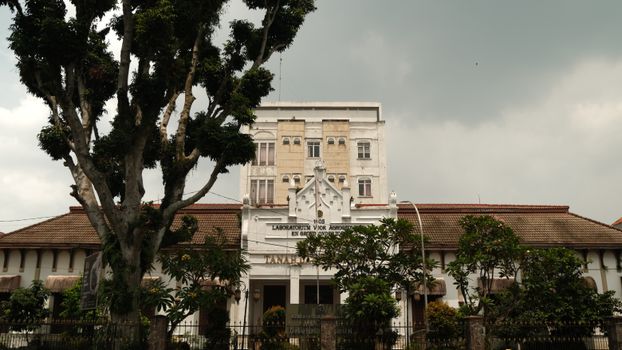
Several Dutch-style houses along Jalan Pahlawan and Jalan Diponegoro display characteristic high ceilings, ornate facades, and wide verandas. The former Societeit Harmonie, now repurposed as a cultural center, once hosted elite gatherings of Dutch officials and Javanese aristocracy.
The city’s oldest church, Gereja Kristen Jawi Wetan (GKJW), dates back to 1912 and is still used for weekly services. Its blend of European architecture and Javanese motifs symbolizes the cultural synthesis that defines Madiun.
Traditional Markets and Culinary Heritage
No exploration of Madiun’s history is complete without a visit to its bustling traditional markets. The Pasar Besar Madiun, established in 1916, remains the city’s commercial heart. Here, traders sell everything from fresh produce and batik textiles to traditional snacks like pecel madiun—a spicy peanut salad that has become a local culinary icon.
Historical records show that by the 1930s, Pasar Besar was handling over 500 kilograms of rice daily, with traders arriving from Ponorogo, Magetan, and as far as Central Java. The market’s labyrinthine alleys, vibrant colors, and cacophony of sounds evoke a sense of timelessness, offering a living connection to the city’s mercantile roots.
Must-See Landmarks: A Comparative Overview
To help you plan your historical journey through Madiun, here’s a comparative overview of the city’s most significant landmarks:
| Landmark | Established | Key Historical Significance | Location | Visitor Tips |
|---|---|---|---|---|
| Madiun Railway Station | 1876 | Colonial-era transportation hub | Jalan Kompol Sunaryo | Visit early morning for fewer crowds |
| Monumen Kresek | 1987 | Memorial to 1948 Madiun Affair | Kresek Village, 8 km from city center | Guided tours available on weekends |
| Alun-Alun Madiun | 19th century | Traditional center of civic life | Jalan Pahlawan | Best visited during festivals |
| Pasar Besar Madiun | 1916 | Historical trading hub | Jalan Panglima Sudirman | Morning hours for freshest produce |
| Gereja Kristen Jawi Wetan | 1912 | Oldest church in Madiun | Jalan Kartini | Open for visitors outside mass times |
Preserving Madiun’s Heritage for Future Generations
Efforts to preserve Madiun’s historical sites and cultural legacy are gaining momentum. Local government initiatives now focus on restoring colonial buildings, promoting heritage tourism, and integrating historical education into school curricula. In 2022, city officials allocated over 2.5 billion rupiah for the renovation of heritage sites, a significant increase from previous years.
Community groups, such as the Komunitas Sejarah Madiun (Madiun History Community), organize regular walking tours and workshops to raise awareness about the city’s past. These grassroots movements have successfully lobbied for the protection of endangered landmarks, ensuring that stories from Madiun’s past remain accessible to new generations.
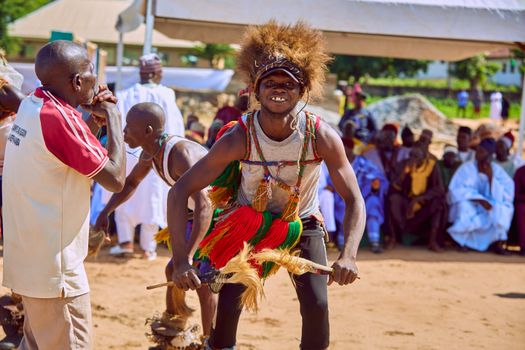
Moreover, Madiun’s heritage is celebrated through annual events like the Kirab Budaya (Cultural Parade), which features traditional costumes, music, and theatrical reenactments of historical events, drawing thousands of visitors each year.
Why Madiun’s History Matters Today
Madiun’s journey from a colonial outpost to a vibrant modern city reflects broader themes in Indonesian history: resilience, adaptation, and the quest for unity in diversity. By exploring Madiun’s historical events and landmarks, visitors and residents alike gain a deeper appreciation for the sacrifices and achievements that have shaped the region.
In a rapidly changing world, preserving and understanding local history fosters civic pride and helps communities navigate the challenges of modernization. Madiun’s living heritage—its monuments, markets, and memories—serves as both a reminder of past struggles and a beacon for future generations.