Madiun and Its Influence on Regional Culture: How the City Shaped the Surrounding Areas
Nestled in the heart of East Java, Indonesia, Madiun stands as more than just a city—it is a dynamic cultural hub whose influence radiates across the surrounding regions. With a history dating back to the Majapahit era and a reputation for resilience, innovation, and artistry, Madiun has shaped the cultural, economic, and social landscape of its neighbors in profound ways. From unique culinary traditions to artistic expressions, from economic cooperation to shared festivals, the city’s legacy is woven into the very fabric of the region. This article explores the multifaceted influence of Madiun on its neighboring areas, uncovering the threads that bind the city to the broader tapestry of East Java.
Madiun’s Historical Role as a Cultural Crossroads
Madiun’s geographical location has long positioned it as a crossroads for trade, migration, and cultural exchange in East Java. Historically, the city lay at the intersection of major trade routes linking Surabaya, Yogyakarta, and Solo. This strategic placement enabled the flow of goods, people, and ideas, fostering a cosmopolitan atmosphere even as early as the 18th century.
During the Dutch colonial period, Madiun became a significant administrative and military center. The construction of railways in the late 19th century further cemented its role, with Madiun Station opening in 1882 and quickly becoming one of the busiest in the region. The movement of soldiers, merchants, and officials brought diverse influences, which Madiun absorbed and transmitted outward.
.png)
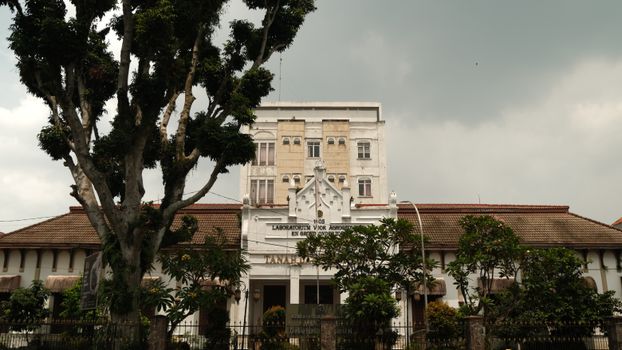
Today, echoes of this historical crossroads status can be seen in the eclectic architecture of the city, the diversity of dialects spoken, and the openness of local customs to outside influence. Neighboring regencies such as Magetan, Ngawi, and Ponorogo have all, in various ways, absorbed elements of Madiun’s cosmopolitan culture, creating a regional identity that is both unified and richly diverse.
Culinary Traditions: Madiun’s Signature Flavors Spread Outward
Few aspects of regional culture are as tangible—or as delicious—as food. Madiun’s culinary traditions have had a profound impact on the surrounding areas, with several iconic dishes originating in the city before spreading throughout East Java.
Pecel Madiun, a renowned salad of steamed vegetables topped with spicy peanut sauce, is perhaps the most famous culinary export. Its popularity is remarkable: according to the East Java Tourism Office, over 200 pecel vendors operate in Madiun alone, and the dish is a staple in households as far as Kediri and Tulungagung. The unique blend of local herbs, such as kenikir and turi flowers, gives Pecel Madiun a flavor profile distinct from other regional variants.
Another example is Brem, a fermented rice cake and beverage that originated in Madiun. Once a local specialty, Brem has become a sought-after souvenir and is now produced in neighboring regencies using recipes and techniques perfected in Madiun. The annual Brem Festival, drawing over 15,000 visitors in 2023, showcases the city’s influence on the regional food scene.
The spread of these dishes is not just about taste—it reflects the movement of people, the sharing of traditions, and the economic interdependence between Madiun and its neighbors. Food has become a powerful vehicle for cultural exchange, reinforcing Madiun’s role in defining regional identity.
The Arts: Madiun’s Creative Pulse in the Region
Madiun’s artistic heritage is both deep-rooted and innovative, with its influence palpable in music, dance, theater, and crafts throughout East Java. The city is perhaps best known for its Ludruk and Ketoprak performances—forms of traditional theater that blend humor, social commentary, and local folklore. Troupes from Madiun often tour nearby regencies, and many leading performers in Ngawi and Magetan trace their artistic lineage to Madiun-based masters.
In visual arts, batik from Madiun stands out for its unique motifs, such as the “Pecel” pattern, inspired by the city’s signature dish. According to the Indonesian Batik Association, more than 30% of batik workshops in eastern Madiun Regency supply products to artisans in Ponorogo and Pacitan, highlighting the city’s influence on regional craft economies.
Madiun’s influence reaches into the musical realm as well. Campursari, a genre blending traditional Javanese gamelan with modern instruments, has its roots in the cultural melting pot of Madiun. Local musicians, such as the late Didi Kempot, regularly performed in Madiun and frequently credited the city’s vibrant scene for inspiring their work.
The city’s annual cultural festivals attract participants and audiences from across East Java, reinforcing its position as a creative beacon. In 2022 alone, the Madiun Art Carnival drew over 50,000 visitors, with delegations representing more than 20 surrounding districts.
Economic and Social Influence: Building Regional Networks
Beyond culture and cuisine, Madiun’s economic dynamism has shaped the fortunes of its surrounding areas. As a major agricultural and industrial center, the city has long served as a market hub for goods produced in nearby regencies. Agricultural products from Magetan’s fertile slopes, timber from Ponorogo, and handicrafts from Ngawi all find ready buyers in Madiun’s bustling markets.
A 2021 regional economic report found that Madiun’s retail and wholesale sector accounted for 27% of local GDP and provided direct employment to more than 15,000 individuals from neighboring areas. The city’s well-developed infrastructure, including its strategic railway junction and modern bus terminal, facilitates the flow of goods and labor throughout East Java.
Socially, Madiun plays a key role in education and healthcare for the region. With three major universities and over a dozen vocational schools, the city attracts students from across East Java, many of whom settle in the area after graduation. Madiun’s hospitals, including the highly regarded RSUD dr. Soedono, serve as referral centers for patients from nearby districts, further strengthening regional ties.
The following table provides a comparative overview of Madiun’s influence on key regional sectors:
| Sector | Madiun | Neighboring Regencies (Average) | Regional Impact |
|---|---|---|---|
| Food Vendors (Pecel) | 200+ | 50-80 | Spread of Madiun-style Pecel |
| Batik Workshops | 130 | 30-50 | Supply to regional artisans |
| Annual Cultural Festivals | 12 | 4-7 | Attracts cross-regional participation |
| Students from Neighboring Areas | 7,500+ | 2,000-3,000 | Educational migration to Madiun |
Shared Traditions and Festivals: Cultural Unity in Diversity
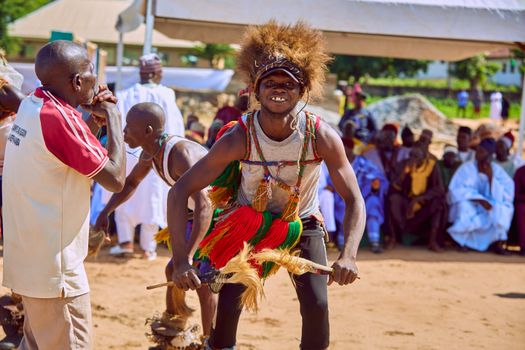
One of the most visible signs of Madiun’s cultural influence is the proliferation of shared traditions and festivals across the region. Events such as Grebeg Suro, commemorating the Javanese New Year, are celebrated with unique Madiunese touches even in outlying villages. The city’s signature dances, like Tari Remo and Jaranan, are performed during village festivals in Magetan and Ngawi, often with adaptations that blend local and Madiunese styles.
The widespread celebration of these festivals serves multiple purposes. It fosters a sense of shared identity, strengthens social bonds, and provides economic opportunities for artisans and performers. In 2023, the collaborative Grebeg Suro between Madiun and Ponorogo drew over 20,000 participants, demonstrating the power of cultural unity.
Furthermore, Madiun’s approach to community-based tourism—encouraging visitors to experience daily life, local crafts, and traditional ceremonies—has inspired similar initiatives in neighboring districts. As a result, the region has seen a 17% increase in cultural tourism over the past five years, according to the East Java Tourism Agency.
Modern Connectivity and the Ongoing Flow of Influence
In the 21st century, Madiun’s influence continues to evolve, driven by new forms of connectivity. The completion of the Trans-Java Toll Road in 2018 drastically reduced travel time between Madiun and major cities like Surabaya and Yogyakarta, while enhancing access for its neighbors. This improved infrastructure has accelerated economic integration and made cross-regional collaboration easier than ever.
Digital technology also plays a role. Social media platforms have become powerful tools for promoting Madiun’s cultural events, culinary delights, and artisanal products. Local influencers and entrepreneurs from Madiun regularly collaborate with counterparts in neighboring regencies, sharing audiences and amplifying regional identity.
Regional governments, too, have recognized the value of Madiun’s leadership. Joint initiatives in environmental management, disaster preparedness, and education—often coordinated from Madiun—have set new standards for cooperation in East Java. As the region faces challenges from urbanization and globalization, Madiun’s example of adaptive, collaborative culture provides a blueprint for sustainable development.
Final Reflections: Madiun’s Enduring Regional Legacy
From its early days as a crossroads of trade and culture to its current status as a regional powerhouse, Madiun’s influence on the surrounding areas is undeniable. The city’s culinary innovations, artistic achievements, economic dynamism, and commitment to regional unity have shaped not only the daily lives of its neighbors but also their shared sense of identity. As East Java continues to grow and change, Madiun’s legacy as a source of inspiration and a driver of cultural evolution will remain central to the region’s story.