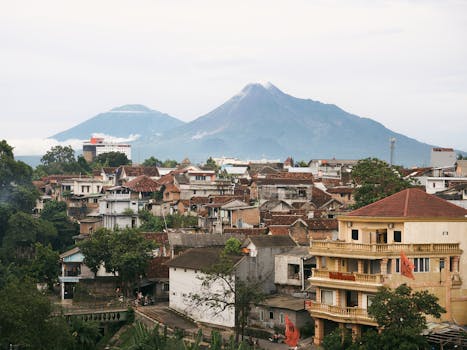
Madiun, nestled in East Java, Indonesia, presents a treasure trove of cultural experiences often overlooked by the typical tourist trail. This city is a vibrant testament to Javanese tradition and an exceptional destination for those eager to dive deep into Indonesia’s rich cultural heritage.
Traditional Music and Dance
Central to Madiun’s cultural allure is its traditional music, notably Gamelan. This ensemble music, predominant in Java and Bali, features a variety of percussive instruments that create a captivating, melodious harmony ideal for the music enthusiast. Equally engaging are the local dances, including the dramatic Reog Ponorogo and the spirited Jaranan. These performances are not mere entertainment but woven with spiritual significance, often intended to communicate moral tales or to beseech spiritual protection.
.png)
Batik Art
Madiun also shines in its traditional crafts, particularly in Batik making. This textile art, recognized by UNESCO, involves wax-resist dyeing of fabric, a technique that artisans in Madiun have mastered. The Batik from this region is unique, featuring intricate designs that symbolize local myths and values. Visitors have the opportunity to visit Batik workshops to observe this meticulous craft and even try their hand at creating their own Batik, offering a memorable hands-on cultural experience.
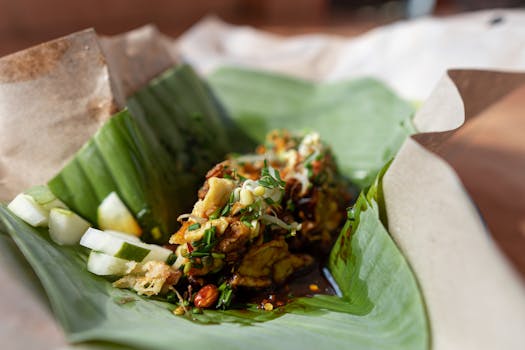
The culinary landscape in Madiun is a flavorful reflection of its cultural identity, blending Javanese tastes with regional influences. Signature dishes like Pecel Madiun, a Javanese salad with a distinctive spicy peanut dressing, and the beloved Sate Ayam, offer insights into the local cuisine’s vibrant flavors and ingredients. These dishes not only tantalize the taste buds but also offer a window into the region’s agricultural practices.
Architectural and Historical Sites
Madiun’s rich history is encapsulated in its varied architecture and historical sites. From ancient Hindu-Buddhist temples like Saradan to monuments reflecting its colonial past, such as the Kresek Monument, the city is a historian’s haven. Each site offers a narrative piece to the puzzle of Madiun’s historical and cultural evolution, providing context and depth to the visitor’s experience.
Festivals and Community Life
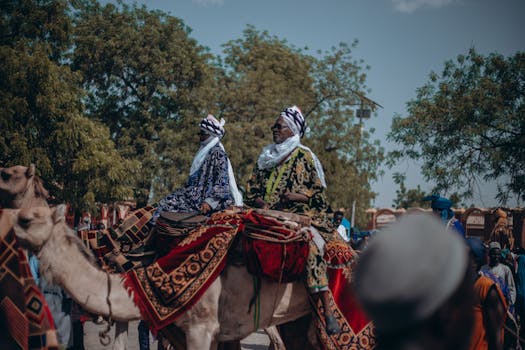
The cultural tapestry of Madiun is vividly displayed in its festivals and community events. One of the highlights is Grebeg Suro, which marks the Javanese New Year with grandeur and communal spirit, featuring parades, traditional performances, and shared meals. These festivals are pivotal in sustaining community ties and fostering the transmission of traditions across generations.
Spiritual Sites
For those drawn to spiritual exploration, Madiun offers significant sites like the Tawun Temple and Asta Tinggi cemetery, revered in Hindu and Islamic traditions respectively. These sites are not only spiritual retreats but also provide insights into the religious plurality and practices within the community.
Conclusion
Madiun is indeed a cultural gem, rich with traditions that span the spectrum from arts and cuisine to historical and spiritual explorations. It offers a profound journey into the heart of Javanese culture, making it an ideal destination for cultural aficionados. Whether your interest lies in the arts, history, or culinary explorations, Madiun promises a rich, immersive experience that offers deeper insights into the vibrant cultural fabric of Indonesia.