Nestled in the heart of East Java, Madiun is often celebrated for its culinary delights, artisan crafts, and vibrant history. Yet, one of Madiun’s true strengths lies in its strategic location: a gateway to a tapestry of fascinating cities, towns, and natural wonders just beyond its borders. For travelers and locals alike, exploring the neighborhoods around Madiun means unlocking a treasure trove of cultural, historical, and outdoor experiences that are frequently overlooked in favor of Java’s more famous destinations. This guide will take you on a journey through Madiun’s surrounding cities and the unique attractions that make each one worth a visit.
Madiun’s Strategic Location: The Crossroads of East Java
Madiun’s position in East Java places it at a crossroads for travel between Central and East Java provinces. The city is easily accessible by train, car, or bus, making it the perfect launchpad for excursions into neighboring regions. Madiun’s train station alone serves more than 20,000 passengers daily, offering direct routes to major cities like Surabaya, Yogyakarta, and Jakarta.
The city is surrounded by several regencies (kabupaten) and towns, including Ponorogo, Magetan, Ngawi, and Caruban (Madiun Regency). Each of these areas boasts its own attractions, culture, and local specialties, all within a 30- to 90-minute drive from Madiun’s city center. This proximity allows for convenient day trips or weekend getaways without the need for extensive planning.
.png)
Ponorogo: The Home of Reog and Cultural Spectacles
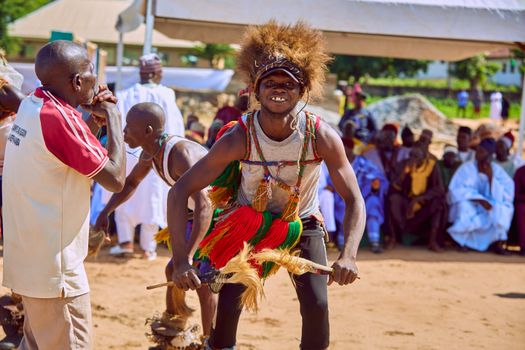
Just 30 kilometers south of Madiun lies Ponorogo, a city renowned for its iconic Reog Ponorogo dance. This lively performance, which features elaborate lion masks and acrobatic displays, is recognized across Indonesia as a living symbol of Javanese heritage.
Ponorogo isn’t just about cultural spectacles; it’s also a great base for nature enthusiasts. The Ngebel Lake (Telaga Ngebel) is a serene volcanic lake surrounded by forested hills, perfect for boating, cycling, or a simple picnic. Every August, the city hosts the National Reog Festival, drawing thousands of visitors from all over the archipelago.
Aside from its cultural and natural attractions, Ponorogo is famous for its culinary specialty, sate ayam Ponorogo, a unique take on chicken satay marinated in sweet soy sauce and grilled over charcoal. For those looking to experience authentic Javanese culture up close, Ponorogo offers a window into living traditions that have endured for centuries.
Magetan: Gateway to the Majestic Mount Lawu
To the west of Madiun, Magetan is a mountain town that serves as the eastern gateway to Mount Lawu, one of Java’s most revered peaks. Mount Lawu, standing at 3,265 meters, is popular with hikers and spiritual seekers alike. The climb to the summit is a rite of passage for many Javanese, and the mountain is dotted with ancient temples and meditation spots.
Magetan is also well-known for Sarangan Lake (Telaga Sarangan), a cool highland retreat at 1,200 meters above sea level. The lake is encircled by pine forests and small hotels, making it a favorite for families and couples seeking respite from the lowland heat. According to the local tourism office, Sarangan Lake attracts more than 500,000 visitors annually.
Other notable attractions include the Tirtosari Waterfall and the traditional leather craft industry in Selosari village. Magetan’s blend of natural beauty and artisanal heritage makes it an essential stop for those exploring the region around Madiun.
Ngawi: Where History and Nature Converge
Ngawi, located to the north of Madiun, is a regency that offers a unique combination of historical sites and lush natural landscapes. Its most prominent landmark is Fort Van Den Bosch, also known as Benteng Pendem, a 19th-century Dutch fortress that stands as a reminder of Java’s colonial past. The fort’s sprawling grounds and moss-covered walls make it a favorite spot for history buffs and photographers.
Ngawi is also home to the largest teak forest in Java, managed by Perhutani (the State Forestry Corporation). The forest is a haven for birdwatching, cycling, and eco-tourism initiatives. In addition, the Trinil Museum claims international significance: it was here that the famous “Java Man” (Homo erectus) fossils were discovered by Eugène Dubois in the 1890s, providing crucial evidence for human evolution.
The Solo River (Bengawan Solo), Indonesia’s longest river, flows through Ngawi, offering opportunities for river tours and fishing. For those seeking a blend of history, science, and nature, Ngawi provides a compelling itinerary just a short drive from Madiun.
Madiun Regency (Caruban): Hidden Waterfalls and Rural Charms
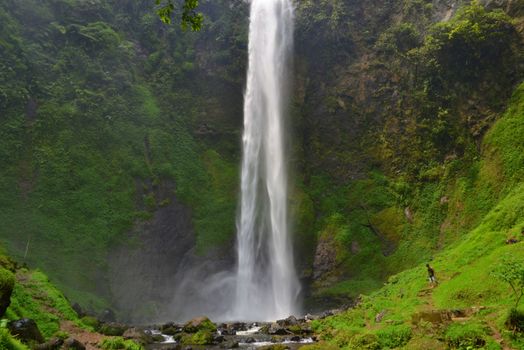
Beyond Madiun’s city limits lies Madiun Regency, commonly known as Caruban. This area is characterized by rolling rice fields, tranquil villages, and an abundance of natural attractions rarely found in guidebooks. Among its best-kept secrets are the waterfalls—such as Seweru Waterfall and Kedung Malam Waterfall—nestled in the lush hills south of Caruban town.
Madiun Regency is also an agricultural heartland, producing rice, sugarcane, and cassava. The region’s rural charm is evident in its weekly markets, traditional festivals, and friendly locals eager to share stories about their way of life. Many travelers find that a leisurely drive or motorbike ride through the regency’s backroads offers a glimpse of an older, slower-paced Java.
A rising attraction is the Wana Wisata Grape, a forest park popular for camping, outbound activities, and birdwatching. The regency’s understated beauty and hospitality make it ideal for those seeking a peaceful escape without venturing too far from the city.
Comparing Madiun’s Neighboring Cities: Travel Times, Highlights, and Specialties
To help visitors plan their journeys beyond Madiun, the following table summarizes the key features of the region’s neighboring cities and regencies:
| Destination | Distance from Madiun City | Main Attractions | Cultural Specialty | Annual Visitors (Estimated) |
|---|---|---|---|---|
| Ponorogo | 30 km | Reog Dance, Ngebel Lake | Sate Ayam Ponorogo | 350,000 |
| Magetan | 20 km | Sarangan Lake, Mount Lawu | Leather Craft | 500,000 |
| Ngawi | 35 km | Fort Van Den Bosch, Trinil Museum | Teak Wood Carving | 250,000 |
| Madiun Regency | 10 km | Seweru Waterfall, Wana Wisata Grape | Agro-tourism | 120,000 |
This overview illustrates how each destination around Madiun offers distinct experiences, from cultural performances and mountain retreats to historical explorations and rural tranquility. Travel times are generally under an hour, making multi-stop trips possible in a single day.
Planning Your Madiun Region Adventure: Tips and Itineraries
For those eager to explore beyond the city, planning is key to making the most of your time. Here are some practical tips and sample itineraries for discovering Madiun’s neighborhood:
- $1: While public buses and trains connect the main towns, renting a car or motorbike offers the greatest flexibility, especially for reaching waterfalls and mountain areas. - $1: The dry season (May to September) is ideal for outdoor activities, hiking, and festivals. - $1: Dress modestly, especially when visiting temples or rural villages, and always be respectful during local ceremonies. Sample itinerary for a weekend: - Day 1: Morning visit to Ponorogo for the Reog performance, lunch by Ngebel Lake, afternoon return to Madiun. - Day 2: Early drive to Magetan for a boat ride on Sarangan Lake, optional hike on the lower slopes of Mount Lawu, and a stop at a leather craft workshop before heading back.For travelers with more time, a three-day circuit could include an overnight stay in Sarangan, a historical tour of Ngawi’s Fort Van Den Bosch and Trinil Museum, and a relaxing final day exploring the waterfalls and rural scenes of Madiun Regency.
Why Exploring Madiun’s Neighborhoods Unlocks Java’s Hidden Stories
Madiun is much more than a city of culinary adventures and cultural events—it's a portal to the diverse landscapes and living traditions of East Java's interior. By venturing just a short distance from the city center, visitors can witness the pulse of Javanese life in Ponorogo's festivals, the cool mountain air of Magetan, the echoes of history in Ngawi, and the tranquil countryside of Caruban.
These surrounding regions are not only easily accessible but also packed with unique experiences that remain largely undiscovered by mainstream tourism. Whether you’re drawn to ancient dances, volcanic lakes, colonial relics, or rural hospitality, the neighborhoods around Madiun invite you to see a different side of Java—one that’s authentic, welcoming, and full of surprises.