Madiun and Its Hidden Treasures: The Best Places Off the Beaten Path
Tucked away in the heart of East Java, Madiun is often overshadowed by its larger neighbors like Surabaya or Malang. Yet, for the curious traveler, this city offers an abundance of hidden treasures that remain largely undiscovered by the mainstream tourist crowds. If you’re seeking authentic local experiences, natural wonders that few outsiders ever see, and a taste of Javanese culture untouched by mass tourism, Madiun’s off-the-beaten-path gems promise to delight. From secret waterfalls and mystical caves to unspoiled villages and unique culinary adventures, let’s embark on a journey to uncover the best-kept secrets of Madiun.
Discovering Nature’s Secrets: Waterfalls and Caves Beyond the Guidebooks
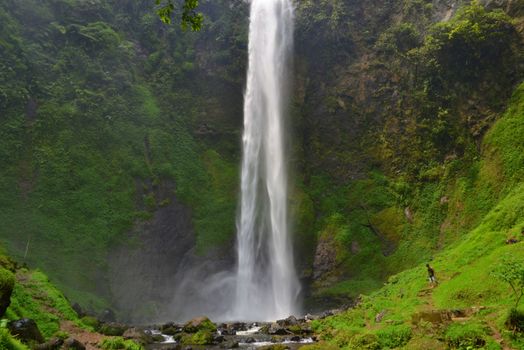
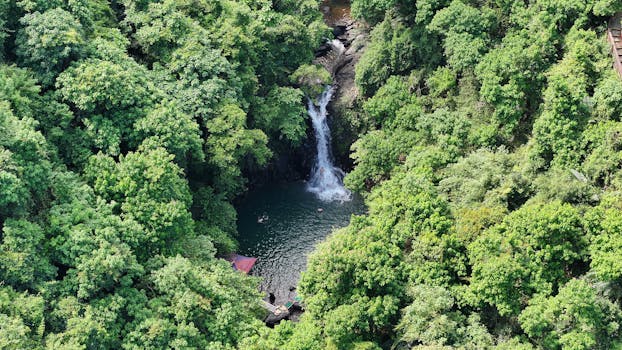
While many know Madiun for its lush countryside, only a handful are aware of its hidden natural wonders. One such treasure is the Air Terjun Seweru (Seweru Waterfall), also affectionately called “Slampir” by locals. Nestled in the forested hills of Kare, this majestic 400-meter-high waterfall is a true spectacle, surrounded by dense jungle and echoing with the calls of wild birds. Unlike popular waterfalls in East Java, Seweru remains serenely quiet, offering a rare opportunity to soak in nature’s beauty without the bustle of crowds.
Another secret spot is the Goa Nglambangan, a mystical cave near the village of Nglambangan. According to local legend, this cave was once the meditation place of ancient Javanese kings. The cave is adorned with stalactites and stalagmites, and the air inside carries a palpable sense of history and spirituality. Visitors report seeing small offerings left by villagers, a testament to the cave’s continued cultural significance.
.png)
For those drawn to water, Watu Rumpuk Hill offers panoramic views and a chance to discover a series of hidden springs and natural pools that locals frequent for relaxation. These spots are ideal for quiet reflection or a refreshing dip on a hot day.
Village Life Unveiled: Experiencing Authentic Javanese Traditions
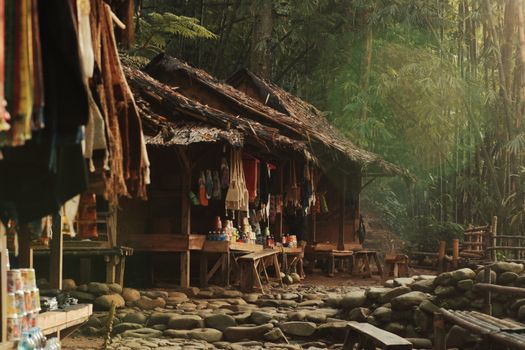
Madiun’s rural surroundings are dotted with villages where life moves at a different pace. Desa Wisata Brumbun is a standout example of community tourism done right. This traditional village invites visitors to participate in daily agricultural activities, from rice planting to harvesting cassava. The village is especially famous for its unique handmade tempeh, a must-try for food enthusiasts.
Another fascinating stop is Desa Gunungsari, renowned for its centuries-old tradition of batik making. Here, you can learn the art of creating batik patterns using natural dyes and traditional canting tools. The experience not only supports local women artisans but also provides deep insight into the region’s cultural heritage.
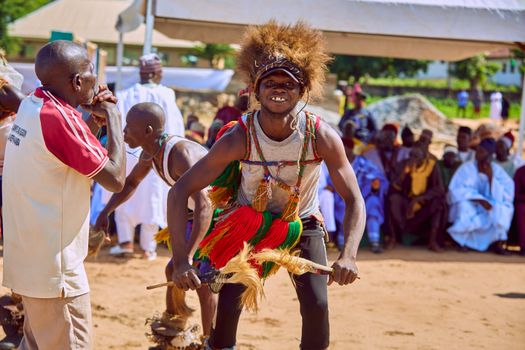
If you visit around August, don’t miss the “Sedekah Bumi” festival, an ancient ritual where villagers express gratitude to the earth for its bounty. The event features colorful processions, traditional music, and communal feasts, offering a truly immersive cultural encounter.
Culinary Surprises: Secret Eats and Local Flavors Off the Tourist Track
While Madiun’s culinary scene is gaining recognition, some of its best flavors are found in places far from the main streets. One such spot is the hidden warung (small eatery) in Kelurahan Winongo, famous for its Sego Pecel Tumpang—rice topped with spicy peanut sauce and a unique fermented tofu relish known as ‘tumpang’. Locals claim the depth of flavor here is unmatched, thanks to a secret blend of herbs passed down through generations.
Another offbeat culinary delight can be found at Pasar Kaget, a pop-up night market that appears only on certain evenings in the outer districts. Here, adventurous eaters can sample rare treats like “gethuk pisang” (banana-based cake) and “jenang grendul” (sweet glutinous rice balls). Prices are extremely affordable, with most dishes costing under 10,000 IDR (less than $1 USD).
For those seeking something truly authentic, join a local family for a home-cooked meal through the “Madiun Home Dining” initiative. This grassroots program matches visitors with host families, giving you the chance to enjoy traditional recipes like “soto Madiun” and “nasi jotos” in a warm, intimate setting.
Mystical Sites and Legends: Exploring Madiun’s Spiritual Corners
Beyond its natural beauty, Madiun is rich in mystical sites that have fueled local legends for centuries. The “Petilasan Pangeran Timur” is a sacred site believed to be the meditative retreat of Prince Timur, an influential Javanese noble. Locals visit the site to seek blessings or meditate in the tranquil surroundings of ancient banyan trees.
Another enigmatic spot is the Sendang Biru, a spring surrounded by myths of healing powers. Residents claim the spring’s waters bring good fortune and relief from ailments—a belief that draws pilgrims from across East Java, especially during the annual “Suro” ritual in the Islamic New Year.
For a deeper dive into Madiun’s spiritual side, join a “tirakatan” night vigil, where villagers gather to recite traditional prayers, share stories, and honor their ancestors. These gatherings are usually intimate and require an invitation, but visitors who approach with respect are often welcomed.
Adventure Awaits: Hiking, Cycling, and Eco-Tourism in Untouched Areas
Adventure seekers will find plenty to love in Madiun’s less-traveled reaches. The slopes of Mount Wilis offer challenging hikes through coffee plantations and pine forests, revealing sweeping views of the Madiun Valley. Trails here are seldom marked, so hiring a local guide is highly recommended for both safety and insight into the region’s flora and fauna.
Cycling enthusiasts can embark on the “Jalur Sepeda Kare” route, a 25-kilometer loop that winds through picturesque villages, terraced rice fields, and hidden waterfalls. The route is considered moderately difficult, with about 400 meters of elevation gain—perfect for experienced bikers looking for new terrain.
For eco-tourism lovers, the Taman Edukasi Biodiversity Park in Dolopo is a must-visit. Opened in 2022, this community-led project is home to over 150 species of native plants and serves as a conservation site for rare butterflies and birds. Educational tours are available, offering hands-on activities such as tree planting and birdwatching.
Quick Comparison: Popular vs. Hidden Attractions in Madiun
To help you get a sense of what sets these hidden gems apart, here’s a quick comparison between Madiun’s popular attractions and its lesser-known treasures:
| Feature | Popular Attractions | Hidden Treasures |
|---|---|---|
| Visitor Volume | High (over 100,000/year at main sites) | Low (often fewer than 1,000/year) |
| Accessibility | Easy (public transport, signage) | Remote (requires private transport, local guides) |
| Experience | Standard tours, crowded | Personalized, immersive |
| Cultural Authenticity | Mixed (some commercialized) | High (local traditions intact) |
| Price Range | Moderate to high (tickets, fees) | Low (often free or donation-based) |
Final Thoughts: Experiencing the True Heart of Madiun
Madiun’s hidden treasures offer a refreshing alternative to the usual tourist circuits, rewarding adventurous visitors with experiences that are authentic, enriching, and often transformative. Whether you’re trekking to secluded waterfalls, sharing a meal with a local family, or partaking in age-old village rituals, you’ll find that the real magic of Madiun lies in its quiet corners and the warmth of its people. As tourism grows, preserving these off-the-beaten-path gems and supporting community-led initiatives will ensure that Madiun remains a sanctuary for seekers of the genuine and the extraordinary.