Madiun is a city and regency that sits quietly in East Java, Indonesia, yet its cultural, historical, and economic vibrancy have earned it a distinct place on the map. Often overshadowed by larger cities like Surabaya or Yogyakarta, Madiun harbors a unique blend of heritage, natural beauty, and modern progress. This article delves deep into the essence of Madiun, unveiling its true identity through its people, traditions, cuisine, economy, and natural attractions.
The Historical Roots of Madiun
Madiun’s identity is firmly anchored in its rich and diverse history. The city’s name is believed to originate from “Madyaning Ayun,” meaning ‘the heart of desire’ in ancient Javanese, reflecting its historical status as a coveted region. Established in the 16th century, Madiun was once a part of the Mataram Sultanate, a powerful Javanese kingdom. The city became a strategic stronghold during the Java War (1825-1830), led by Prince Diponegoro, and played a crucial role in Indonesia’s fight for independence.
In the 20th century, Madiun gained national attention during the Madiun Affair of 1948, a political uprising that shaped the country’s post-independence era. These historical milestones are commemorated through monuments and museums, such as the Museum Kresek, which draws over 10,000 visitors annually.
.png)
Cultural Heritage: Traditions and Local Wisdom
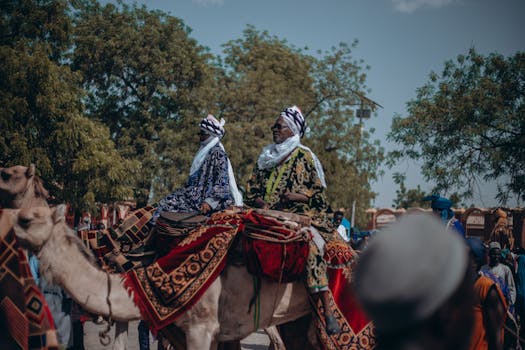
Madiun’s cultural landscape is a vibrant tapestry woven from Javanese customs, Islamic influences, and local traditions. The city is renowned for its traditional arts, including the Reog Ponorogo dance – a dramatic performance that features lion masks and peacock feathers, often performed during festivals and public celebrations.
Annual events such as the Grebeg Suro, held every Islamic New Year, bring together thousands of residents in a celebration of gratitude and togetherness. The city also preserves traditional ceremonies like “Sedekah Bumi,” a ritual offering to the earth believed to ensure abundant harvests. These customs not only foster community solidarity but also attract cultural tourists from across Indonesia.
Language plays a significant role in Madiun’s identity. While Bahasa Indonesia is the official language, Javanese is widely spoken, with the Madiun dialect recognized for its softer tones and unique vocabulary.
Culinary Identity: Flavors that Define Madiun
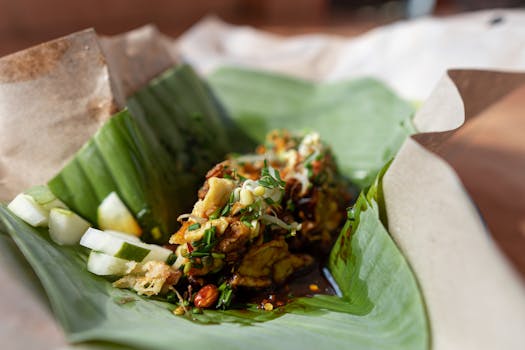
Ask any Indonesian about Madiun, and they’ll likely mention its culinary specialties. Madiun is famous for “pecel Madiun,” a salad of blanched vegetables topped with spicy peanut sauce, often served with rempeyek (crispy peanut crackers). This dish is not just beloved locally but has gained popularity throughout Indonesia, with more than 200 pecel stalls operating in the city.
Another iconic snack is “brem,” a sweet fermented rice cake, which has been produced commercially since the 1920s. The city produces over 500 tons of brem annually, supplying markets nationwide. Other local treats include “madumongso” (a black sticky rice confection), and “gethuk lindri,” a colorful cassava cake.
Below is a comparison table of Madiun’s signature foods and their key characteristics:
| Food | Main Ingredients | Unique Feature | Annual Production |
|---|---|---|---|
| Pecel Madiun | Vegetables, peanut sauce | Spicy, served with rempeyek | Over 200 stalls |
| Brem | Fermented rice | Sweet, melt-in-mouth texture | 500+ tons |
| Madumongso | Black sticky rice, sugar | Chewy, sweet-sour taste | Thousands of pieces/day |
| Gethuk Lindri | Cassava, coconut, coloring | Colorful, soft texture | Produced daily in markets |
Economic Pulse: Industry, Commerce, and Innovation
Despite its modest size—covering just 33 square kilometers and a population of around 220,000 (2023)—Madiun boasts a robust local economy. The city’s strategic position on the main railway connecting Jakarta and Surabaya makes it a vital transportation hub. Madiun’s railway workshop, PT Industri Kereta Api (INKA), stands as Indonesia’s largest train manufacturer, exporting trains to Bangladesh, the Philippines, and even Africa. In 2022, INKA generated revenues exceeding IDR 2 trillion (approximately USD 130 million).
Agriculture also plays a significant role. Madiun’s fertile soil supports rice, cassava, and sugarcane cultivation, while small-scale industries produce batik, traditional snacks, and handicrafts. The city’s markets, such as Pasar Besar Madiun, bustle with activity, serving over 5,000 traders and customers daily.
Tourism is an emerging economic driver. In 2022, Madiun welcomed around 150,000 domestic visitors, attracted by its historical sites, culinary delights, and festivals. The local government’s “Madiun Smart City” initiative aims to boost connectivity and digital services, encouraging entrepreneurship and innovation.
Natural Wonders: Parks, Scenery, and Eco-Tourism
Beyond its urban charm, Madiun offers an appealing natural landscape. The city is flanked by the Wilis and Lawu mountain ranges, providing a scenic backdrop and opportunities for outdoor recreation. Sunflowers bloom at the Taman Sunflowers, attracting families and photographers, while Taman Bantaran Kali Madiun, a riverside park, offers green space in the city’s heart.
For eco-tourists, the nearby Wana Wisata Grape Forest and Umbul Square present opportunities to hike, picnic, or simply enjoy the fresh mountain air. In the regency, the Ngebel Lake—known for its cool climate and panoramic views—draws more than 20,000 visitors annually. These natural attractions, combined with the city’s cleanliness and green initiatives, have earned Madiun the “Adipura” environmental award multiple times.
The Modern Madiun: Urban Development and Community Life
Madiun’s modern face is characterized by its commitment to urban development while retaining a strong sense of community. The city boasts a relatively low crime rate—just 1.8 per 1,000 residents annually—making it one of East Java’s safest cities. Residents enjoy access to quality healthcare, with the city’s main hospital, RSUD Kota Madiun, serving over 300,000 patients annually.
Education is also prioritized, with literacy rates reaching 98%. Local universities and vocational schools prepare students for careers in industry, technology, and the arts. Community centers and public libraries foster lifelong learning and social cohesion.
The city government has implemented smart city initiatives, including free Wi-Fi zones, digital service platforms, and environmentally friendly public transport, such as electric buses. These developments reflect Madiun’s vision of blending tradition with innovation to enhance residents’ quality of life.
Conclusion: The True Identity of Madiun
Madiun’s essence lies in its harmonious blend of history, culture, industry, and natural beauty. It is a city that honors its past while embracing the future—a place where tradition and progress walk hand in hand. From the savory aroma of pecel Madiun to the rhythmic beats of Reog Ponorogo, from vibrant markets to tranquil parks, Madiun invites both residents and visitors to discover its unique character. As the city continues to evolve, its true identity remains rooted in its people’s resilience, creativity, and enduring spirit.