The city of Madiun, nestled in East Java, Indonesia, is often celebrated today for its dynamic markets, bustling transportation networks, and vibrant festivals. However, beneath its contemporary facade lies a complex, centuries-old history marked by royal intrigue, colonial encounters, social upheaval, and economic transformation. Understanding the history of Madiun offers a window into broader Javanese and Indonesian narratives, revealing how this city’s identity has evolved through war, peace, and resilience. This article delves into the remarkable journey of Madiun, from its ancient roots to its emergence as a modern urban center.
From Ancient Kingdoms to Early Settlements: Madiun’s Foundations
Long before Madiun became an administrative city, the region was part of the vast cultural and political landscape of Central and East Java. Archaeological evidence suggests that the Madiun area was inhabited as early as the 10th century, during the era of the Mataram Kingdom. The Brantas River, which flows near the city, played a crucial role in facilitating trade and communication between kingdoms.
In the 16th century, Madiun’s territory became a contested frontier between the mighty Demak Sultanate and the Hindu-Buddhist kingdoms lingering in East Java. This strategic location made Madiun a crossroads of religious and cultural influences. The region was eventually absorbed into the influential Mataram Sultanate, which laid the administrative and social foundation for the city’s future. By the late 17th century, Madiun had emerged as a kabupaten (regency) under the rule of local aristocrats known as bupati.
.png)
Colonial Era: Dutch Influence and the Seeds of Change
The arrival of the Dutch East India Company (VOC) in Java during the 18th century profoundly reshaped Madiun’s trajectory. In 1743, the Mataram Sultanate ceded large parts of Java, including Madiun, to the VOC as part of a treaty. The Dutch established administrative outposts and introduced new systems of governance, taxation, and land tenure.
One of the most significant legacies of the colonial period was the forced cultivation system (cultuurstelsel), implemented in the 1830s. Under this system, Javanese farmers, including those in Madiun, were compelled to grow export crops such as sugar and coffee for the benefit of the colonial government. By 1850, Madiun had become a regional center for sugar production, with multiple plantations and mills operating across its fertile plains.
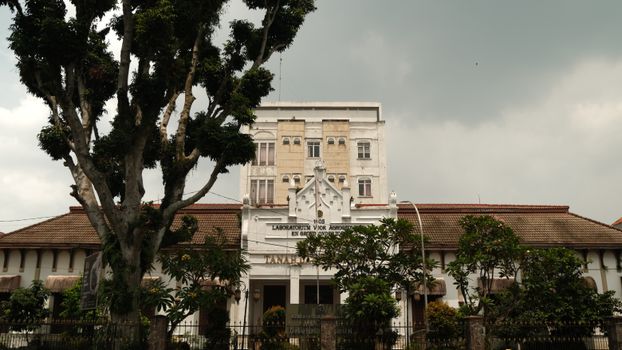
The colonial era also saw the construction of vital infrastructure, including the railway line connecting Madiun to Surabaya in 1882. This railway not only facilitated the export of agricultural products but also stimulated urban growth and migration. By the early 20th century, Madiun had developed a distinct urban core, marked by Dutch-style buildings, administrative offices, and a growing indigenous middle class.
Struggle and Resistance: Madiun in the Age of Revolution
The first half of the 20th century was a time of political awakening and social unrest in Madiun, reflecting broader currents in Indonesian society. During the Japanese occupation (1942-1945), Madiun’s industries were repurposed for the war effort, and the population endured hardship and forced labor.
After Indonesia’s declaration of independence in 1945, Madiun became a flashpoint in the struggle for national sovereignty. The city gained national attention during the Madiun Affair of 1948, when leftist forces attempted to challenge the leadership of the young Indonesian Republic. On September 18, 1948, the Indonesian Communist Party (PKI) declared the establishment of a Soviet Republic in Madiun, leading to fierce fighting between government troops and rebels. The rebellion was swiftly suppressed, but the event left a lasting mark on the city’s history and political memory.
Despite these turbulent times, Madiun’s people displayed remarkable resilience. The post-revolution years saw efforts to rebuild the local economy and revive community life, aided by investments in education and public health.
Socio-Economic Transformation: Madiun’s Growth in the New Order Era
Following the consolidation of the Indonesian Republic, Madiun entered a period of relative stability and development, particularly during President Suharto’s New Order regime (1967-1998). Between 1970 and 1995, Madiun’s population grew from about 90,000 to over 160,000, driven by rural-to-urban migration and economic opportunities.
Madiun became a hub for agricultural trade, small-scale manufacturing, and public services. The construction of the Madiun–Nganjuk road in the 1980s further enhanced the city’s connectivity with the rest of East Java. Educational institutions, such as Universitas Merdeka Madiun (founded in 1979), contributed to the development of a skilled workforce.
The city’s economic profile diversified, with a growing emphasis on food processing, textiles, and services. By the 1990s, Madiun was recognized as one of the region’s most livable cities, known for its orderly streets, green spaces, and vibrant cultural life.
Madiun in the Modern Era: Urbanization, Identity, and Cultural Revival
Since the turn of the millennium, Madiun has continued to evolve, balancing rapid urbanization with efforts to preserve its unique heritage. The city’s population reached approximately 210,000 in 2020, making it a significant urban center in East Java.
Local authorities have invested in infrastructure, including the renovation of the Madiun train station and the expansion of public transportation. The city’s strategic location on the southern corridor of Java’s railway network has reinforced its role as a logistics and commercial hub.
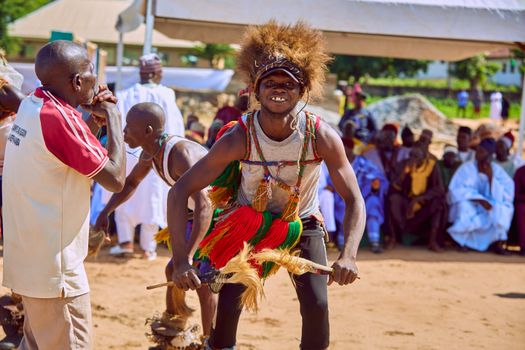
Culturally, Madiun has witnessed a revival of traditional arts, including wayang kulit (shadow puppetry), reog ponorogo performances, and batik-making. Festivals celebrating the city’s history and diversity attract thousands of visitors each year. Efforts to document and promote Madiun’s colonial-era architecture have also gained momentum, with several heritage buildings being restored and repurposed.
The local government has prioritized sustainable urban planning, supporting green initiatives and encouraging community participation in environmental protection. These efforts reflect a growing awareness of the need to balance growth with quality of life and cultural preservation.
A Historical Timeline: Key Moments in Madiun’s Evolution
To provide a clearer perspective on Madiun’s historical journey, the following table summarizes significant events and developments across the centuries:
| Period | Key Event/Development | Impact on Madiun |
|---|---|---|
| 10th–16th Century | Integration into Javanese Kingdoms | Formation of early settlements; cultural and religious influences |
| 17th Century | Rule under Mataram Sultanate | Establishment as a kabupaten; rise of local aristocracy |
| 18th–19th Century | Dutch Colonial Administration | Introduction of forced cultivation; railway construction; urbanization |
| 1948 | Madiun Affair (PKI Rebellion) | Political upheaval; national attention; legacy of resistance |
| 1970–1995 | New Order Development | Rapid population growth; economic diversification; educational expansion |
| 2000–present | Urbanization and Cultural Revival | Modern infrastructure; heritage conservation; rise as regional hub |
Legacy and Lessons: The Enduring Spirit of Madiun
Madiun’s history is a story of adaptation and reinvention. From its origins as a contested borderland to its current role as a vibrant urban center, the city has navigated shifting political, economic, and cultural landscapes. The scars of colonial exploitation, wartime turmoil, and social conflict have not erased the city’s vitality; instead, they have forged a dynamic identity rooted in resilience and openness.
Today, Madiun’s residents continue to draw upon this legacy as they face new challenges related to urban growth, environmental sustainability, and cultural preservation. The city’s experience offers valuable lessons for other regions undergoing similar transitions: the importance of inclusive governance, the need to honor local heritage, and the power of community in shaping the future.