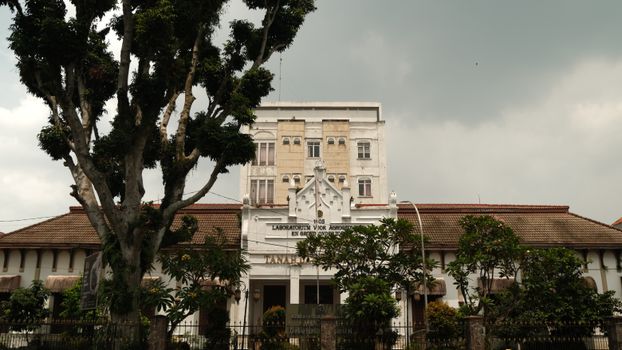
Madiun, a city nestled in East Java, Indonesia, is rapidly emerging as a dynamic hub for startups and innovation. Once known primarily for its agricultural heritage and peaceful small-town charm, Madiun is now stepping into the spotlight as a destination for entrepreneurs, tech talent, and investors. But what factors are driving this transformation? And how does Madiun compare to other cities vying for Indonesia’s next wave of startup success? In this article, we’ll explore the key reasons why Madiun is turning into an emerging startup hub, supported by statistics, case studies, and a data-driven comparison.
The New Face of Madiun: A City Reimagined for Innovation
Madiun’s evolution from a regional trade and agricultural center to a budding startup ecosystem didn’t happen overnight. Over the past decade, the city government has invested heavily in modern infrastructure, digital literacy, and business-friendly policies.
One of the first signs of this shift came in 2017, when Madiun launched its Smart City initiative, aiming to digitize public services and encourage ICT (Information & Communication Technology) adoption among residents and businesses. By 2023, over 70% of public services in Madiun were accessible online, according to the city’s Department of Communication and Informatics.
.png)
This digital transformation has fostered a new generation of tech-savvy youth and entrepreneurs. Madiun now boasts more than 30 coworking spaces, tech incubators, and startup accelerators—an impressive number for a city of just under 200,000 residents. According to East Java’s Office of Cooperatives and SMEs, the number of registered startups in Madiun grew by 284% between 2019 and 2023.
Strategic Location and Connectivity: Madiun’s Geographic Advantage
Madiun’s location offers a unique advantage for startups looking to scale regionally. Situated at the crossroads of East Java’s major transportation routes, Madiun is easily accessible by rail and road, connecting it to major cities like Surabaya (160 km east) and Yogyakarta (170 km west).
In 2022, the completion of the double-track railway between Surabaya and Madiun reduced travel time by over 30%, further integrating Madiun into Java’s economic corridor. The city is also just a short drive from key industrial zones and logistics centers, making it ideal for startups in the e-commerce, logistics, and agri-tech sectors.
The impact of improved connectivity is clear: logistics startup JatimLog chose Madiun as its East Java distribution hub in 2023, citing lower costs and faster access to surrounding markets compared to larger cities.
Supportive Ecosystem: Incubators, Mentors, and Funding in Madiun
A robust support system is crucial for any startup ecosystem. In Madiun, this ecosystem is rapidly maturing, thanks to collaboration between the local government, universities, and the private sector.
The city’s leading university, Universitas Merdeka Madiun, has launched an Innovation and Entrepreneurship Center that provides mentorship, seed funding, and business development workshops for student-led startups. In 2023 alone, the center helped launch 18 new ventures, five of which secured angel investment within their first year.
Madiun’s government also supports startups through grant programs and a streamlined licensing process. In 2022, the city introduced the Madiun Startup Grant, offering up to IDR 100 million (approx. $6,500) per selected startup. This initiative attracted over 120 applicants in its inaugural year, demonstrating both demand and local entrepreneurial spirit.
Local venture capital is on the rise as well. Madiun-based investment firm Nusantara Ventures reported a 250% increase in tech startup investments between 2021 and 2023, focusing on fintech, agritech, and digital services.
Talent Pool and Cost Advantages: Why Startups Choose Madiun
Startups thrive where there is access to talented individuals—especially in tech, business, and design. Madiun benefits from a young, educated population, with over 65% of residents under 35 years old and a literacy rate exceeding 98%.
Universities and vocational schools in the region produce more than 6,000 STEM graduates annually, according to the Central Bureau of Statistics. This steady pipeline of talent, combined with lower living costs than big cities, makes Madiun attractive for both founders and employees.
To illustrate the cost advantage, consider this comparison:
| City | Average Monthly Office Rent (IDR/m²) | Average Software Developer Salary (IDR/month) | Startup Licensing Time (days) |
|---|---|---|---|
| Madiun | 80,000 | 5,000,000 | 10 |
| Surabaya | 150,000 | 7,500,000 | 15 |
| Jakarta | 300,000 | 10,000,000 | 20 |
For early-stage startups, these savings translate into longer runways and the ability to hire more local talent. Madiun’s cost efficiency is a major draw for founders who want to build sustainable businesses without the pressures of high overheads.
Unique Industry Focus: Agri-Tech, Fintech, and Local Innovation
Every startup ecosystem tends to develop its own areas of strength. In Madiun, agri-tech and fintech are leading the way, alongside digital services tailored to local needs.
Agri-tech startups are leveraging Madiun’s agricultural roots to introduce technology-driven solutions for farmers. For example, TaniMaju, founded in 2022, connects smallholder farmers to microloans and weather data via a mobile app. Within a year, TaniMaju signed up over 1,200 farmers and facilitated more than IDR 2 billion in microloans.
Meanwhile, fintech startups like BayarMudah are addressing the financial inclusion gap in rural areas. BayarMudah’s digital payment platform saw user growth of 350% in 2023, expanding into previously underserved districts.
Local innovation isn’t limited to tech. Madiun’s creative industries—design, content creation, and digital marketing—are also flourishing, supported by community initiatives such as the Madiun Creative Network. This diversity of sectors ensures Madiun’s startup ecosystem remains resilient and adaptive to changing trends.
Case Studies: Success Stories from Madiun’s Startup Scene
To understand the real impact of Madiun’s startup ecosystem, let’s look at a few standout examples:
- JasaTani: This agri-marketplace startup, launched in 2021, enables direct transactions between farmers and buyers, reducing middlemen and increasing farmer income by up to 20%. By 2023, JasaTani had facilitated over 50,000 transactions in East Java. - MedikaMadiun: A healthtech platform founded in 2022, MedikaMadiun connects patients in remote areas with doctors via telemedicine. During the COVID-19 pandemic, the platform supported over 10,000 consultations, making healthcare more accessible and affordable. - RumahKreatif.id: Focused on the creative economy, this platform helps local artisans and SMEs digitize their businesses and reach wider markets. Since its launch, RumahKreatif.id has onboarded 400+ small businesses, with some reporting revenue growth of 30% after digital transformation.These examples highlight how Madiun’s startups are not just following trends—they are solving real local problems with innovative solutions.
Challenges and Opportunities Ahead for Madiun’s Startup Ecosystem
While progress has been significant, Madiun still faces challenges on its journey to becoming a top-tier startup hub. Access to large-scale funding remains limited compared to Jakarta or Surabaya, and attracting experienced mentors from outside the region can be difficult.
However, these challenges also present opportunities. As remote work becomes more mainstream—Indonesia saw a 40% increase in remote job postings in 2023—Madiun is well-positioned to attract digital nomads, investors, and talent seeking a more affordable, high-quality lifestyle.
The city’s leaders are also investing in English-language education, international partnerships, and technology parks to further enhance Madiun’s global competitiveness. With the right support, Madiun is poised to become a launchpad not just for local startups, but for those aiming to scale regionally and globally.
Final Thoughts: Why Madiun’s Startup Future Looks Bright
Madiun’s transformation from a quiet city to an emerging startup hub is more than just a trend—it’s a testament to the power of local innovation, strategic investment, and community collaboration. With its affordable business environment, strong talent pipeline, supportive ecosystem, and focus on solving real-world problems, Madiun offers a unique launchpad for entrepreneurs and investors alike.
As Indonesia’s digital economy is projected to reach $146 billion by 2025 (Google, Temasek, Bain & Company), cities like Madiun will play a crucial role in driving inclusive growth and creating new opportunities outside the traditional urban centers. For anyone looking to be part of Indonesia’s next wave of innovation, Madiun is a city to watch.