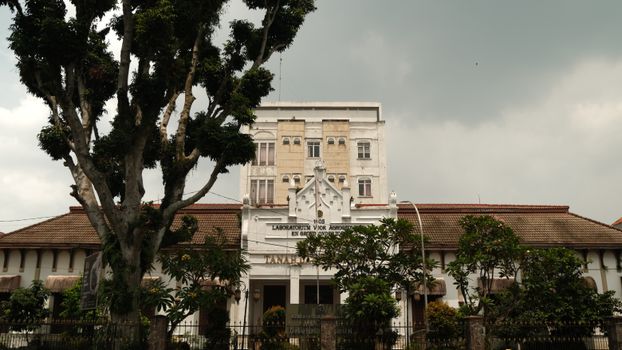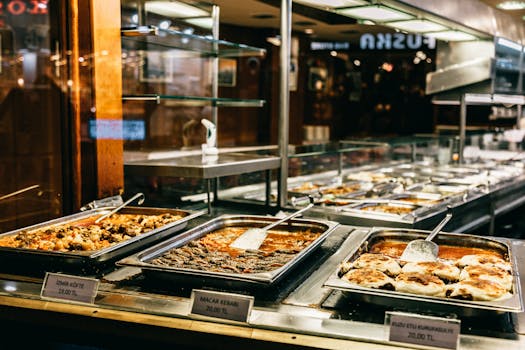
Madiun, a vibrant city nestled in East Java, Indonesia, is often described as a gateway between Java’s eastern and western regions. While its strategic location and economic growth are widely recognized, Madiun’s culinary heritage remains one of its best-kept secrets. For food lovers and adventurous travelers, Madiun offers a delectable journey through time-honored recipes, unique local ingredients, and dishes you simply won’t find anywhere else. Whether you’re savoring street snacks or indulging in festive specialties, Madiun’s food scene is a flavorful window into the city’s rich cultural tapestry.
This guide will walk you through the must-try local delicacies and traditional dishes of Madiun, introduce you to their stories and ingredients, and help you navigate where and how to taste the city’s culinary treasures.
Rujak Petis Madiun: The Flavors of Java in a Plate
Rujak Petis Madiun is arguably the city’s most iconic dish, a salad that is equal parts sweet, spicy, and savory. Unlike the fruit-heavy rujak found elsewhere in Indonesia, Madiun’s version is a dynamic blend of fresh vegetables like young mango, cucumber, bean sprouts, water spinach, and sometimes tempeh or tofu. The true star of the dish is the petis sauce—a thick, black shrimp paste made from fermented prawn stock and palm sugar.
.png)
What sets Rujak Petis Madiun apart is its balance of flavors. The petis sauce delivers a deep umami punch, offset by the crunch and freshness of the vegetables. Chili peppers add heat, while tamarind provides a tangy kick. According to a 2022 local culinary survey, over 80% of Madiun residents regularly enjoy rujak petis, making it a staple in daily life and festive occasions alike.
You’ll encounter rujak petis everywhere—from bustling street markets to family-owned warungs (small eateries). For the best experience, try it at traditional markets like Pasar Besar Madiun, where the sauce is often made fresh in front of you.
Nasi Pecel Madiun: A Wholesome Breakfast Tradition
No exploration of Madiun’s cuisine is complete without Nasi Pecel Madiun. This dish is a beloved breakfast classic, famous well beyond the city limits. At its core, nasi pecel consists of steamed rice topped with a medley of blanched vegetables—long beans, cassava leaves, spinach, and bean sprouts—smothered in a rich, spicy peanut sauce.
What distinguishes Madiun-style pecel is the unique blend of herbs and spices in the peanut sauce. Kaffir lime leaves, kencur (aromatic ginger), and a hint of coconut sugar create a complex, aromatic flavor profile. A typical serving is enhanced with rempeyek (crispy peanut crackers) or tempeh goreng (fried fermented soy cake).
Nasi pecel is more than just food—it’s a morning ritual. According to the Madiun Tourism Board, over 15,000 portions of nasi pecel are sold daily across the city. Locals often debate which vendor makes the best sauce, with Pecel Madiun Bu Hj. Wiji and Pecel Mbok Bari topping many “must-try” lists.
Sate Ayam Ponorogo vs. Sate Madiun: A Tale of Two Satays
Satay (sate) is a hallmark of Indonesian cuisine, but in Madiun, you’ll find two distinct styles competing for your palate: Sate Ayam Ponorogo and Sate Madiun.
Sate Ayam Ponorogo, hailing from the neighboring Ponorogo region but hugely popular in Madiun, features chicken skewers marinated in sweet soy sauce, garlic, shallots, and candlenut. The meat is sliced thin, grilled over charcoal, and served with a generous helping of peanut sauce and rice cakes (lontong).
Sate Madiun, on the other hand, typically uses beef or goat meat and is known for its bolder, more robust spice blend. The marinade incorporates coriander, cumin, and turmeric, giving it a deeper color and aroma. Sate Madiun is often paired with a spicy sambal instead of peanut sauce.
Here’s a comparative look at the two satay styles:
| Feature | Sate Ayam Ponorogo | Sate Madiun |
|---|---|---|
| Main Ingredient | Chicken | Beef or Goat |
| Marinade | Soy sauce, garlic, candlenut, shallot | Coriander, cumin, turmeric, garlic |
| Sauce | Sweet peanut sauce | Spicy sambal or soy sauce |
| Serving Style | With rice cakes (lontong) | With steamed rice or lontong |
| Popularity | Popular in both Ponorogo and Madiun | Distinctly Madiun |
For a true local experience, try both styles at the Sate Ayam Ponorogo Pak Seger or Sate Madiun Pak Man, which have been serving satay for over 30 years.
Bluder Madiun: A Colonial-Era Sweet Treat
Bluder Madiun is a legacy of the city’s colonial past—a soft, sweet bread with European roots adapted by local bakers. Introduced during the Dutch colonial era, bluder resembles a cross between brioche and sponge cake. Its unique texture comes from the use of egg yolks, butter, and fresh milk, resulting in a tender, airy crumb.
What makes Bluder Madiun special is the variety of fillings and toppings: from classic vanilla and chocolate to modern creations like cheese, durian, or pineapple. Today, Bluder Cokro is the most famous bakery, producing over 5,000 pieces a day and shipping them nationwide.
Bluder is more than just a snack; it’s a symbol of Madiun’s openness to new influences while preserving local identity. It’s a must-buy souvenir, perfect for sharing with family and friends.
Lontong Tahu Telor: Savory, Satisfying, and Uniquely Javanese
Another standout from Madiun’s culinary lineup is Lontong Tahu Telor, a hearty dish combining rice cakes (lontong), fried tofu (tahu), and omelet (telor), all generously bathed in spicy, nutty sauce. The sauce is a blend of roasted peanuts, garlic, chili, and sweet soy sauce, creating a perfect harmony of flavors.
Lontong Tahu Telor is especially popular as a filling lunch option. Each portion typically includes sliced lontong, golden-brown fried tofu, and a fluffy, savory egg omelet. The dish is garnished with fried shallots and celery, adding freshness and crunch.
Local warungs pride themselves on their secret sauce recipes, some of which have been passed down for generations. A 2023 food festival in Madiun counted over 40 stalls offering their own take on this classic, demonstrating the dish’s enduring popularity.
Traditional Sweets and Snacks: Getuk Pisang and Ledre
No exploration of Madiun’s delicacies would be complete without mention of its traditional sweets and snacks, which are often enjoyed during tea time or as gifts during special occasions.
Getuk Pisang is a chewy, sweet treat made from ripe bananas steamed and mashed with grated coconut and palm sugar. Its vibrant yellow color and natural sweetness make it a favorite among children and adults alike. It’s commonly wrapped in banana leaves, both to preserve freshness and impart a subtle aroma.
Ledre, on the other hand, is a crispy, rolled wafer made from rice flour and coconut, often infused with banana or pandan flavor. Ledre is light yet aromatic, perfect for pairing with a cup of tea or coffee. Many ledre producers in Madiun are family-run businesses that have operated for decades, ensuring the snack’s traditional preparation methods remain intact.
Where to Find the Best Food Experiences in Madiun
To truly taste Madiun, you need to immerse yourself in its local markets, street food stalls, and family-run eateries. Here are some must-visit locations for authentic culinary experiences:
1. Pasar Besar Madiun: The city’s main traditional market, ideal for sampling rujak petis, nasi pecel, and a wide variety of street snacks. 2. Jalan Cokroaminoto: Nicknamed “Culinary Street,” this bustling area is lined with legendary satay stalls, bluder shops, and late-night warungs. 3. Warung Bu Wiji and Warung Pak Man: Both renowned for their time-honored recipes of pecel and satay, attracting locals and tourists alike. 4. Bluder Cokro: The go-to destination for the famous Bluder Madiun, where you can watch the bread being made fresh daily.If you’re visiting during special occasions such as Eid al-Fitr or local festivals, you’ll find even more traditional treats and festive dishes on offer, reflecting the city’s communal spirit and culinary creativity.
Final Thoughts: Why Madiun’s Culinary Heritage is Worth Exploring
Madiun’s food scene is a vibrant reflection of its history, geography, and multicultural influences. From the bold flavors of rujak petis to the comforting bite of nasi pecel, every dish tells a story of heritage and innovation. Whether you’re a first-time visitor or a lifelong resident, exploring Madiun’s local delicacies offers a deeper connection to the city and its people.
The city’s culinary traditions are very much alive—evolving with new trends yet rooted in generations-old practices. With over 200 traditional eateries and food stalls documented in a recent tourism survey, Madiun is truly a food lover’s paradise in East Java.
So, on your next visit, let your taste buds lead the way and discover what makes Madiun’s flavors unforgettable.