Madiun, a vibrant city nestled in East Java, Indonesia, beckons travelers with its unique blend of culture, history, and natural beauty. While guided tours offer structure, many visitors prefer the freedom of discovering Madiun’s hidden gems on their own terms. Navigating a new city without a guide can seem daunting at first—but with the right information and a few practical tips, it’s not only possible but also immensely rewarding. Whether you’re a solo traveler, a couple seeking adventure, or a family eager to explore, this comprehensive guide will help you navigate Madiun with confidence and ease.
Getting Around Madiun: Transportation Tips for Independent Travelers
One of the first things to consider when exploring Madiun without a guide is how you’ll get from place to place. Fortunately, Madiun offers a range of transportation options catering to different budgets and preferences.
Public transportation in Madiun includes angkot (public minivans), city buses, and trains. Angkots are a local favorite for short distances, running fixed routes and costing around IDR 4,000–6,000 per ride (about USD 0.25–0.40). City buses connect popular neighborhoods and landmarks, while the train station (Stasiun Madiun) is a major hub linking the city to other parts of Java.
.png)
If you prefer more flexibility, consider renting a motorbike or bicycle. Motorbike rentals typically cost IDR 60,000–80,000 per day (USD 4–5), while bicycles are available for around IDR 30,000 per day (USD 2). For those less comfortable navigating traffic, online ride-hailing apps like Gojek and Grab are widely used, offering motorbike and car rides at reasonable prices. These apps allow you to bypass language barriers and minimize the risk of getting lost.
To help you compare your options, here’s an overview:
| Transportation | Average Cost (per ride/day) | Best For | Notes |
|---|---|---|---|
| Angkot | IDR 4,000–6,000 | Short distances, local experience | Set routes, limited English signage |
| City Bus | IDR 5,000–10,000 | Budget travel, major routes | May be crowded during rush hour |
| Train | IDR 10,000–50,000 | Regional travel | Frequent departures to major cities |
| Motorbike Rental | IDR 60,000–80,000/day | Flexible, independent travel | Helmet required, be cautious in traffic |
| Bicycle Rental | IDR 30,000/day | Leisurely exploration | Best for central areas |
| Gojek/Grab | IDR 10,000–30,000 (average ride) | Convenience, direct routes | App-based, cashless options |
Essential Tools: Maps, Apps, and Local Resources
When traveling without a guide, your smartphone becomes your best friend. Reliable navigation and translation tools are crucial for a smooth experience in Madiun.
Google Maps is highly accurate in Madiun and covers most streets, attractions, restaurants, and hotels. Download offline maps before your trip to avoid connectivity issues. For public transportation routes and schedules, apps like Moovit or the local Dishub Madiun app provide up-to-date information.
Language barriers can be a challenge, as English is not widely spoken outside tourist areas. Google Translate or Papago can help you communicate basic needs, read menus, or ask for directions. For ride-hailing, Gojek and Grab are the most popular apps, both available in English and integrated with digital payment systems.
Don’t overlook local resources: many hotels and guesthouses offer free city maps and can provide personalized recommendations. If you have access to WiFi or a local SIM card (available at the airport or convenience stores for around IDR 30,000), you’ll be even better equipped to navigate on your own.
Discovering Attractions: How to Find Madiun’s Hidden Gems
Without a guide, you have the freedom to create your own itinerary and linger at places that fascinate you. While Madiun is known for its lush parks, heritage buildings, and culinary delights, many of its best spots are off the typical tourist trail.
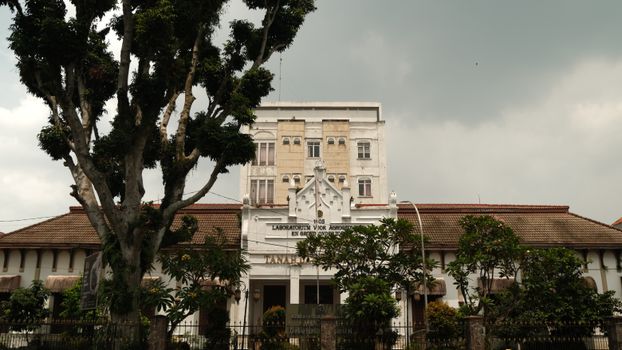
Start by exploring Alun-Alun Madiun, the city’s central square, which is surrounded by colonial-era architecture and bustling local markets. Early mornings and evenings are especially lively, with street food vendors serving up local favorites like pecel madiun (vegetable salad with peanut sauce).
For a taste of local history, the Madiun Train Museum (Museum Kereta Api Madiun) offers a fascinating look at the city’s railroad heritage. Entrance fees are modest—usually less than IDR 15,000 (about USD 1)—and displays include vintage locomotives and interactive exhibits.
Nature lovers can escape to Taman Bantaran Kali Madiun, a riverside park popular with joggers and families. If you venture a little further, the serene Waduk Bening Widas reservoir is accessible by rented motorbike and offers boating, fishing, and picnic spots.
To find current events, pop-up art exhibitions, or local festivals, check Madiun’s official tourism website or visit social media groups dedicated to the city. Many events are not widely advertised to tourists, so following local hashtags or asking staff at your accommodation can lead to memorable experiences.
Staying Safe and Comfortable While Exploring Madiun
Traveling independently requires a bit more vigilance, but Madiun is generally considered one of the safer cities in East Java. Petty crime is rare, though it’s still wise to keep valuables secure and avoid isolated areas at night.
The tropical climate means heat and humidity are constants. Daytime temperatures average 28–32°C (82–90°F), so dress in lightweight, breathable fabrics and carry a refillable water bottle. Many public places offer free water refill stations, and convenience stores are plentiful.
Traffic can be hectic during rush hours (7–9 AM and 4–6 PM), especially near schools and markets. If you’re cycling or riding a motorbike, always wear a helmet and stay alert for sudden stops or erratic drivers. Pedestrian infrastructure is improving, but sidewalks can be uneven—wear comfortable shoes and watch your step.
For health emergencies, Madiun has several reputable hospitals, such as RSUD Kota Madiun and RS Santa Clara. Pharmacies (apotik) are easy to find in the city center, often open until late evening.
Smart Budgeting: Making the Most of Your Money in Madiun
Exploring Madiun on your own can be surprisingly affordable. Accommodation ranges from budget guesthouses (starting at IDR 120,000 per night, or about USD 8) to mid-range hotels with modern amenities for IDR 400,000–600,000 per night (USD 25–40).
Dining is another highlight; street food meals cost as little as IDR 10,000–20,000 (USD 0.65–1.30), while a meal at a popular local restaurant averages IDR 40,000–60,000 (USD 2.50–4). Don’t miss local specialties such as nasi pecel, soto Madiun (spiced chicken soup), and the sweet snack gethuk.
Admission to most attractions is nominal, with many parks and historic sites charging less than IDR 20,000 (USD 1.30). If you plan to shop for souvenirs, Madiun is known for its batik textiles and local snacks like brem (fermented rice cake) and madumongso (sweet fermented black rice).
Cash is still king for small purchases and at traditional markets, but credit and debit cards are widely accepted in supermarkets, hotels, and larger restaurants. ATMs are easy to find, especially in the city center.
Connecting With Locals: Cultural Tips for a More Enriching Experience
One of the joys of exploring Madiun without a guide is the opportunity to interact directly with its residents. Javanese hospitality is legendary, and even a simple greeting (“Selamat pagi”—good morning) can open doors to meaningful conversations.
Dress modestly, especially when visiting religious sites or rural neighborhoods. A smile and polite demeanor go a long way, and learning a few basic Bahasa Indonesia phrases will be greatly appreciated. For example, “Terima kasih” means thank you, and “Permisi” is a polite way to get someone’s attention.
If you’re invited to a local’s home or to participate in a community event, don’t hesitate to accept—these experiences often become highlights of a trip. Sharing meals, learning traditional crafts, or joining a neighborhood festival can provide insights into Madiun’s unique blend of tradition and modernity.
Social media is a valuable tool for connecting with local communities. Join Facebook groups or follow Instagram accounts dedicated to Madiun travel and lifestyle for real-time tips, event updates, and recommendations.
Final Thoughts: Enjoying Madiun Independently
Navigating Madiun without a guide opens up a world of possibilities for curious travelers. With a little preparation, a dose of curiosity, and the right tools, you can weave your way through bustling markets, tranquil parks, and vibrant neighborhoods at your own pace. From practical transportation tips to cultural etiquette, this guide empowers you to discover the heart of Madiun—and perhaps, a bit more about yourself along the journey.