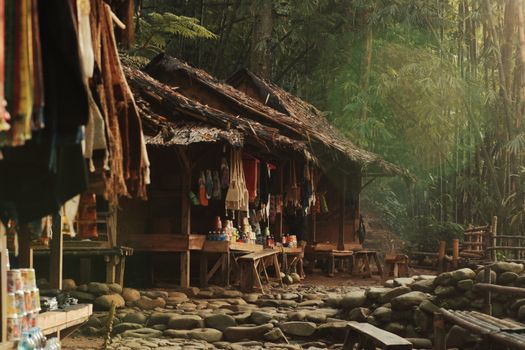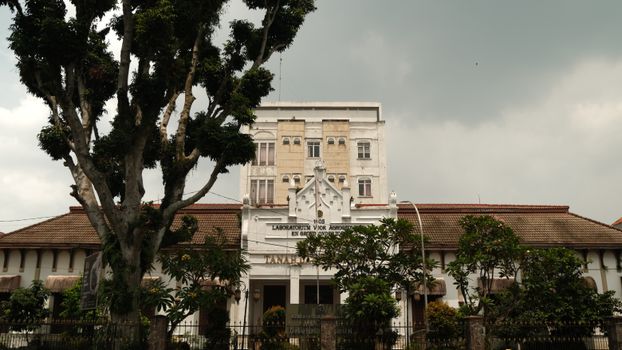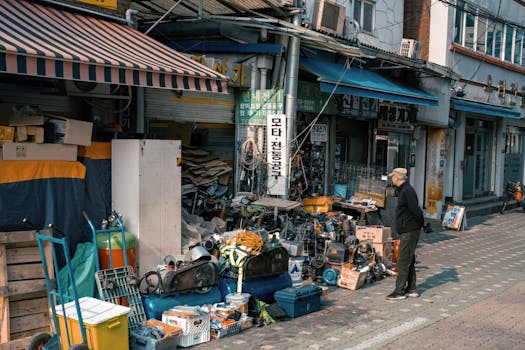
Madiun, a vibrant city in East Java, Indonesia, has become synonymous with innovation, eco-tourism, and cultural renaissance. Yet, beneath this modern transformation lies a heartbeat that pulses through its traditional markets. These bustling centers of trade have remained steadfast for generations, quietly sustaining Madiun’s economy, shaping its culture, and anchoring its communities. In an era of digital marketplaces, shopping malls, and rapid urbanization, understanding the enduring role of traditional markets in Madiun's economy offers valuable insights into the city’s unique economic dynamics and social fabric.
The Historic Backbone: Traditional Markets in Madiun
Traditional markets, or “pasar tradisional,” have existed in Madiun for centuries. Historically, they were not just places for economic exchange, but also social and cultural interaction. Today, Madiun boasts over 15 major traditional markets, including Pasar Besar Madiun, Pasar Sleko, and Pasar Kojo. These markets serve as the primary source of fresh produce, daily necessities, and local goods for thousands of residents.
According to data from the Madiun City Government, traditional markets in the city generate an estimated IDR 1.3 trillion (approximately USD 86 million) in annual turnover. In 2023, over 12,000 small traders and vendors earned their livelihoods through market activities, representing about 8% of Madiun’s total workforce. These numbers highlight the significant economic footprint of traditional markets in Madiun’s commerce landscape.
.png)
Driving Local Economic Growth and Employment
Traditional markets are a powerful engine for local economic growth. Unlike supermarkets or modern retail chains, traditional markets provide accessible business opportunities to a wide cross-section of Madiun’s population. Small-scale farmers, artisans, food vendors, and micro-entrepreneurs all find their footing within these bustling spaces.
A 2022 study by Universitas Merdeka Madiun found that every IDR 1 million spent in a traditional market circulates within the local economy up to 2.5 times, compared to just 1.3 times in modern retail outlets. This multiplier effect is crucial: it means that money spent at traditional markets supports not only the vendors, but also local suppliers, producers, and service providers.
Furthermore, traditional markets are labor-intensive, providing jobs for sellers, loaders, cleaners, security staff, and transport workers. Pasar Besar Madiun alone employs more than 3,000 people directly and indirectly. For many, particularly women and older adults, these markets offer flexible, accessible employment options that are not readily available elsewhere.
Supporting Local Agriculture and Food Security
Madiun’s traditional markets play a pivotal role in connecting local farmers to urban consumers. Over 60% of the fresh fruits and vegetables sold in the city’s markets are sourced from farms within a 50-kilometer radius, according to the Madiun Agriculture Department. This close supply chain reduces transportation costs, ensures product freshness, and minimizes food waste.
By acting as direct sales channels, traditional markets empower smallholder farmers who may lack the resources to sell to supermarkets or export markets. The regular demand from these markets sustains rural livelihoods and encourages crop diversity. For example, Pasar Sleko is known for its selection of locally grown leafy greens, tubers, and spices, supporting dozens of family farms in the surrounding countryside.
Moreover, traditional markets contribute significantly to food security in Madiun. With affordable prices and daily supply, they ensure that even low-income households have consistent access to nutritious food. During the COVID-19 pandemic, these markets demonstrated remarkable resilience, adapting quickly to ensure safe operations and continuous food distribution at a time when many supply chains were disrupted.
Cultural Significance and Community Bonds
Beyond their economic role, Madiun’s traditional markets are vibrant cultural spaces. Markets like Pasar Kojo double as informal gathering places where neighbors exchange news, celebrate festivals, and uphold local traditions. The market is often the first place where new residents integrate into the community and where generations of families have set up stalls side-by-side.
Traditional markets also act as preserves of culinary heritage. Here, one can find local delicacies such as pecel Madiun (a spicy peanut salad) and getuk (a cassava snack), made using family recipes handed down through generations. These markets are living museums of Madiun’s food culture, attracting not only locals but also visitors seeking authentic culinary experiences.
Cultural events, such as the annual Grebeg Suro festival, often center around traditional markets, highlighting their role as focal points of social life. Such gatherings reinforce a sense of belonging and collective identity, which is vital in an increasingly fast-paced, digital world.
Challenges and Competition: Traditional vs. Modern Retail
Despite their many contributions, traditional markets in Madiun face significant challenges. The rise of supermarkets, minimarkets, and online shopping platforms has transformed consumer habits, particularly among younger generations. Modern retail outlets offer convenience, standardized products, and air-conditioned environments, which can be appealing amid tropical heat.
The following table compares key features of traditional markets and modern retail in Madiun:
| Aspect | Traditional Markets | Modern Retail |
|---|---|---|
| Number in Madiun | 15+ | 12 (supermarkets & minimarkets) |
| Annual Turnover | IDR 1.3 trillion | IDR 900 billion |
| Primary Workforce | Small traders, farmers, local vendors | Corporate employees |
| Product Sourcing | Local/regional | National/international |
| Food Security Role | High (fresh, affordable) | Medium |
| Community Interaction | Very high | Low |
| Accessibility for Low-Income Groups | High | Medium |
While traditional markets maintain a larger share of the annual retail turnover and workforce, they must continuously adapt to changing preferences and rising competition. Infrastructure issues, lack of parking, limited hygiene facilities, and outdated management practices can make traditional markets less attractive to some shoppers.
Revitalization and New Opportunities for Traditional Markets
Recognizing the vital role of traditional markets, Madiun’s city government has launched several revitalization initiatives. Between 2019 and 2023, more than IDR 60 billion was allocated to upgrade market infrastructure, improve sanitation, and enhance vendor training programs. For example, Pasar Besar Madiun underwent a major renovation, adding new stalls, better lighting, and modern waste management systems.
Digital transformation is also on the agenda. Pilot programs have introduced cashless payment systems and online ordering platforms at selected markets, allowing traders to reach a broader customer base. In 2023, the “Pasar Digital Madiun” platform enabled over 200 vendors to sell fresh produce online, combining the reliability of traditional markets with the convenience of e-commerce.
Furthermore, collaborations with local cooperatives and microfinance institutions provide market traders with access to affordable credit, business training, and marketing support. These measures aim to enhance the competitiveness, resilience, and sustainability of traditional markets in a rapidly evolving retail landscape.
Why Traditional Markets Remain Vital to Madiun’s Future
As Madiun continues to grow and modernize, traditional markets remain a cornerstone of its economy and society. Their enduring appeal lies in their ability to balance economic necessity with community spirit, supporting livelihoods while preserving cultural heritage. The adaptability of traditional markets—demonstrated through infrastructure upgrades and digital innovation—shows that these institutions are far from relics of the past.
For policymakers, entrepreneurs, and citizens alike, the future of Madiun’s traditional markets will depend on continued investment, creative adaptation, and a deep appreciation for their unique value. By supporting these dynamic spaces, Madiun can ensure inclusive economic growth, food security, and a thriving community life for generations to come.