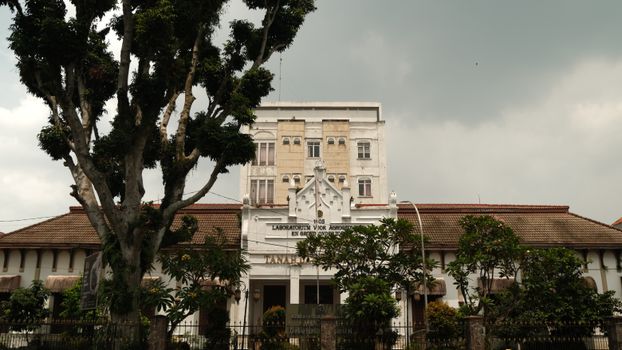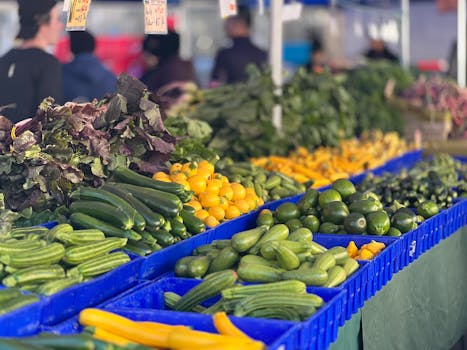
Madiun, nestled in the heart of East Java, is often celebrated for its rich history and culinary traditions. Yet, beyond its famed dishes and historical landmarks, Madiun is a vibrant destination for anyone interested in exploring authentic markets and sourcing the freshest farm produce. Whether you’re a local resident, a visitor, or a culinary enthusiast searching for high-quality ingredients, Madiun’s markets and agricultural offerings provide a window into the region’s rich rural landscape and its dynamic trade culture. This guide delves into the best places and practices for finding fresh, local produce—offering a roadmap to discovering the true flavors of Madiun.
The Pulse of Local Life: Traditional Markets in Madiun
Traditional markets, known locally as "pasar," are the lifeblood of Madiun’s daily commerce. They not only serve as commercial hubs but also as social gathering points where stories, recipes, and local insights are exchanged. Among the many markets in Madiun, some stand out for their size, variety, and historical significance.
One of the oldest and busiest is $1, located in the city center. Sprawling across several blocks, it hosts over 1,000 vendors daily. Here, you’ll find a dizzying array of fresh vegetables, fruits, spices, meats, and even handmade snacks. The market operates from early morning until around 3 PM, with the peak hours between 6 and 10 AM. According to a 2023 survey by the Madiun City Government, Pasar Besar welcomes over 10,000 visitors every week, making it a bustling microcosm of the city’s food culture.
.png)
Another must-visit is $1, renowned for its selection of tropical fruits and traditional herbs. It is especially lively during the harvest season (June to September), when local farmers bring their best produce directly from their fields. For those seeking rare or seasonal items—like durian, rambutan, or fresh turmeric—Pasar Sleko is a goldmine.
Farmers’ Cooperatives: Direct from the Source
For those who prioritize traceability and freshness, Madiun’s farmers’ cooperatives offer a unique alternative to traditional markets. These cooperatives, locally called "koperasi tani," bring together groups of farmers to sell their harvest directly to consumers. This model not only benefits buyers with lower prices and fresher goods but also supports sustainable farming practices and fair trade.
One notable cooperative is $1, established in 2017. Serving over 200 member-farmers, the cooperative supplies rice, organic vegetables, and free-range poultry to local hotels and restaurants, as well as the general public. Their weekly open market, held every Sunday morning at Jalan Panglima Sudirman, has become a favorite among health-conscious shoppers. On average, the cooperative moves over 1.5 tons of vegetables and 800 kilograms of rice per week.
Another growing trend is the rise of $1. For example, $1 offers an assortment of chemical-free produce, including leafy greens, tomatoes, and chili peppers. Visitors can tour the fields, pick their own produce, and learn about organic cultivation methods—a perfect outing for families or eco-minded travelers.
Specialty and Night Markets: Unique Finds in Madiun
Not all markets in Madiun operate during daytime hours or focus solely on staple foods. The city is also home to a variety of specialty and night markets that cater to different tastes and schedules.
$1 is a weekly night market held every Saturday along Jalan Lawu. Open from 6 PM until midnight, it is famous for its lively atmosphere, food stalls, and unique artisanal products. While you’ll find plenty of ready-to-eat snacks here, several vendors also sell fresh produce, particularly fruits and herbs harvested that same afternoon. This market is ideal for those with busy daytime schedules or travelers seeking a local experience after sunset.
For those interested in specific ingredients, $1 specializes in flowers, ornamental plants, and culinary herbs. Located near the city’s botanical garden, it is open every Friday and Sunday morning. Here, urban gardeners and home cooks can find everything from kaffir lime leaves to basil and mint—all grown by local horticulturists.
Modern Retail vs. Traditional Markets: A Comparative Overview
As Madiun develops, modern supermarkets and mini-marts have become more widespread, offering convenience and a controlled shopping environment. However, they differ significantly from traditional markets and farmers’ outlets in several ways. The table below compares key aspects:
| Aspect | Traditional Markets | Farmers’ Cooperatives | Modern Retail Stores |
|---|---|---|---|
| Product Freshness | Very high (daily supply) | Highest (direct from farm) | Moderate (often pre-packaged) |
| Price Range (per kg vegetables) | IDR 8,000 – 12,000 | IDR 7,000 – 10,000 | IDR 12,000 – 18,000 |
| Variety | Extensive, local & seasonal | Focused, mostly seasonal & organic | Wide, includes imported goods |
| Traceability | Limited | High (know your farmer) | Moderate (label-based) |
| Shopping Experience | Lively, social | Community-focused, educational | Quiet, efficient |
While supermarkets provide reliability and comfort, most locals agree that the taste and freshness of produce from traditional markets or farmers’ cooperatives are unmatched. For those willing to wake up early or brave the crowds, the rewards are deliciously tangible.
Farm-to-Table Experiences: From Field to Fork in Madiun
A growing movement in Madiun is the "farm-to-table" experience, where consumers can visit farms, participate in harvesting, and even cook meals using freshly picked ingredients. Several local farms and agro-tourism centers have opened their doors to the public, providing hands-on education about local agriculture and sustainable food systems.
$1, located just 10 kilometers from the city center, is a leading example. Here, visitors can tour rice paddies, pick vegetables, and sample traditional dishes prepared by local chefs. In 2023, the center reported welcoming over 5,000 visitors, including school groups and culinary tourists seeking authentic, immersive experiences.
Additionally, small-scale dairy farms in the Madiun outskirts offer guided tours where guests can milk cows, taste fresh milk, and buy locally made cheese and yogurt. These experiences not only support local farmers but also foster appreciation for the region’s agricultural heritage.
Seasonal Calendar: When to Find the Best Farm Products in Madiun
Knowing the best time to visit markets or farms can significantly enhance your food shopping experience in Madiun. The region’s tropical climate means that many fruits and vegetables are available year-round, but some specialties are best enjoyed during specific months.
For instance, $1 are at their peak from November to January, while $1 season typically runs from December through February. Leafy greens and chili peppers are most abundant during the wet season (October to March), whereas tubers and root vegetables are harvested primarily from May to August.
A 2022 report by the East Java Agricultural Office noted that Madiun produced over 50,000 tons of rice and 12,000 tons of horticultural crops annually, with production spikes aligning with these seasonal cycles. Planning your market visits around these periods ensures you get the freshest and most affordable produce.
Final Thoughts: Exploring Madiun’s Markets for Freshness and Flavor
From bustling city-center markets to tranquil farmsteads on the outskirts, Madiun offers a diverse and rewarding landscape for anyone seeking the best in local and farm-fresh products. Traditional markets like Pasar Besar and Pasar Sleko immerse you in the city’s daily rhythm, while farmer cooperatives and agro-tourism sites provide direct access to the people and practices behind your food.
Whether you’re shopping for tonight’s dinner, sourcing ingredients for a special occasion, or simply looking to experience authentic East Javanese culture, Madiun’s markets and farm products are not to be missed. For the freshest, tastiest, and most sustainable choices, remember to shop early, ask questions, and explore new places—the rewards are as rich as the region itself.