Madiun's Hidden Gems: Off-the-Beaten-Path Adventures
Nestled in the heart of East Java, Madiun is best known for its vibrant culture, delicious snacks, and historical richness. Yet, beyond the well-trodden city streets and famous culinary spots, Madiun harbors a world of lesser-known wonders that promise unique adventures for the curious traveler. From mystical forests and secluded waterfalls to ancient caves and undiscovered villages, these hidden gems offer memorable experiences away from the crowds. Whether you seek natural beauty, outdoor activities, or authentic village life, Madiun’s off-the-beaten-path destinations will ignite your sense of adventure. Let’s embark on a journey to uncover the side of Madiun few have seen but many should experience.
Exploring the Enchanting Wana Wisata Grape Forest
One of Madiun’s best-kept secrets is Wana Wisata Grape, a lush recreational forest located about 15 kilometers from the city center. Unlike the name suggests, there are no grapes here; instead, the word "Grape" comes from the Javanese language meaning "quiet" or "peaceful." Spanning over 5 hectares, this tranquil forest is a haven for those seeking solace in nature’s embrace.
The forest is home to more than 100 species of native trees, including towering mahogany and teak, creating a cool, shaded environment perfect for hiking and picnicking. Visitors can explore a network of well-marked trails, some leading to refreshing streams and small waterfalls. In 2023, over 12,000 local and international tourists visited Wana Wisata Grape, drawn by its serene atmosphere and opportunities for birdwatching—more than 35 bird species have been spotted here.
.png)
For families, there are playgrounds and open spaces for children to enjoy, while adventure seekers can try out zip-lining or rent a mountain bike to ride along the forest paths. The forest also hosts educational tours focusing on environmental conservation, making it a favorite among schools in the region.
Discovering the Hidden Waterfalls: Kedung Malem and Coban Sewu
While East Java is famed for its mighty waterfalls, Madiun has its own cascading treasures, often overshadowed by more famous neighbors. Two waterfalls in particular, Kedung Malem and Coban Sewu, are perfect for those who love secluded natural wonders.
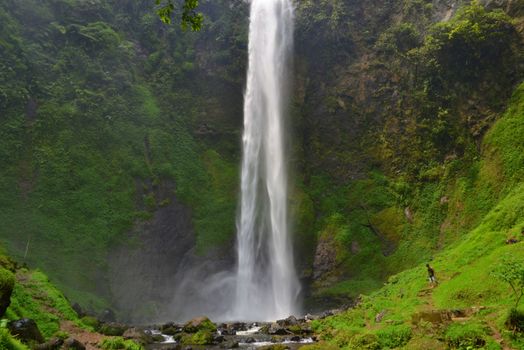
Kedung Malem is located in Pilangbango village, roughly 30 minutes from downtown Madiun. This hidden oasis is surrounded by dense bamboo groves and rice fields, creating a picturesque landscape. The waterfall forms a deep natural pool, ideal for swimming during the dry season. With an average daily visitor count of just 30 people, it remains one of the least crowded spots in the region.
Coban Sewu, not to be confused with the larger one in Lumajang, is tucked away in Kare District. Here, water tumbles over a moss-covered cliff into a clear, shallow basin. The 15-meter drop is especially beautiful after rainfall, when the flow intensifies and the surrounding foliage glistens with moisture. Local guides offer tours to both waterfalls, and many visitors combine the trip with a visit to nearby coffee plantations, where they can sample Madiun’s robust Robusta beans.
Mysteries of the Nglambangan Archaeological Site
For history buffs eager to go beyond the mainstream, the Nglambangan Archaeological Site offers a journey into Madiun’s ancient past. Located about 9 kilometers east of the city, this site encompasses several relics dating back to the Majapahit era (13th-15th centuries). Among them are the Sendang Kamal spring, a centuries-old Hindu temple, and stone statues believed to be more than 600 years old.
Unlike more popular archaeological sites in Java, Nglambangan remains largely uncommercialized. Visitors can wander among the ruins, often accompanied only by the gentle sounds of nature. The site is particularly atmospheric during the annual Labuhan ritual, when locals make offerings to honor their ancestors. In 2022, archaeologists discovered a set of ancient inscriptions here, shedding new light on the area’s role as a religious center during the Majapahit kingdom.
A small museum on-site displays pottery, ceremonial tools, and other artifacts unearthed nearby. Guided tours are available, and local historians are happy to share stories about the region’s mystical legends, including tales of hidden treasures and supernatural guardians.
Village Life Unveiled: The Traditional Charm of Kare and Dagangan
To experience Madiun’s authentic rural life, consider a visit to the villages of Kare and Dagangan. These communities offer immersive cultural experiences far removed from the tourist trail. Kare is renowned for its traditional farming practices and scenic landscapes, where terraced rice paddies stretch across rolling hills. During planting and harvesting seasons, visitors can join local farmers in the fields, learning firsthand about age-old agricultural techniques.
Dagangan, on the other hand, is famous for its batik artisans. The village has fewer than 2,000 residents, but over 100 are skilled in the art of hand-drawn batik. Workshops welcome visitors to try their hand at this intricate craft, creating unique souvenirs under the guidance of local experts. The village also hosts an annual Batik Festival, drawing crowds from across East Java.
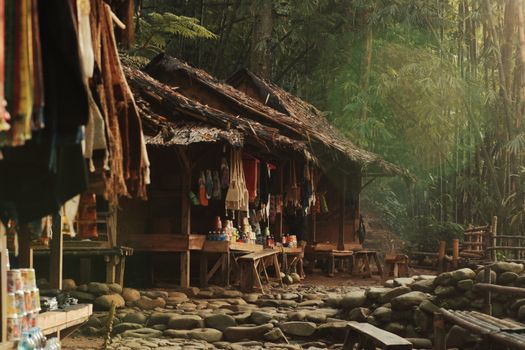
Both villages are accessible via well-maintained rural roads, and homestay accommodations are available for those who wish to linger. Participating in daily activities—milking cows, cooking traditional dishes, or taking part in local celebrations—offers a rare glimpse into the rhythms of rural Javanese life.
Caving and Adventure: Goa Lowo and Its Untouched Wonders
Adventure seekers will find plenty to thrill them in Madiun’s cave systems, particularly Goa Lowo, or "Bat Cave." Located in the village of Wungu, this limestone cave stretches for over 700 meters and features dramatic stalactites and stalagmites. Unlike commercialized caves elsewhere, Goa Lowo remains largely undeveloped, preserving its wild, untouched character.
A visit here is not for the faint of heart. Navigating the cave requires basic caving skills and a sense of adventure, as some passages are narrow and require crawling or climbing. Bats—numbering in the thousands—roost in the upper chambers, adding to the cave’s eerie ambiance. Guided tours are available, and all visitors are required to wear helmets and headlamps for safety.
The cave is also an important site for local mythology. According to legend, Goa Lowo once served as a hiding place for freedom fighters during the Dutch colonial era. Today, it attracts both spelunkers and those fascinated by its mysterious history. In 2023, more than 1,500 adventure tourists explored Goa Lowo, making it one of Madiun’s fastest-growing off-the-beaten-path attractions.
Comparing Madiun’s Hidden Gems: At a Glance
For travelers deciding which hidden gem to visit first, the table below provides a quick comparison of Madiun’s top off-the-beaten-path adventures:
| Destination | Main Attraction | Distance from Madiun City | Visitor Numbers (2023) | Best For |
|---|---|---|---|---|
| Wana Wisata Grape | Recreational Forest, Birdwatching | 15 km | 12,000 | Families, Nature Lovers |
| Kedung Malem Waterfall | Waterfall, Swimming | 12 km | ~11,000 | Adventure Seekers, Couples |
| Nglambangan Site | Ancient Ruins, Rituals | 9 km | 4,200 | History Enthusiasts |
| Kare Village | Rice Paddies, Farming | 18 km | 7,000 | Cultural Explorers |
| Goa Lowo Cave | Caving, Stalactites | 22 km | 1,500 | Adventurers, Spelunkers |
Tips for Exploring Madiun’s Off-the-Beaten-Path Destinations
Venturing into Madiun’s hidden gems requires some planning. Here are a few tips to ensure a rewarding and safe adventure:
1. $1 Many sites, especially caves and remote waterfalls, are best explored with a local guide who knows the terrain and can share valuable insights about the area. 2. $1 Wear sturdy shoes for hiking or caving, and bring insect repellent, water, and snacks. Some locations lack facilities, so it’s wise to come prepared. 3. $1 Rural villages and sacred sites often have unique customs. Dress modestly and ask for permission before taking photos, especially during rituals or festivals. 4. $1 Take only memories, leave only footprints. Support local businesses and avoid littering to help preserve these hidden treasures for future generations.Conclusion
Madiun’s hidden gems reveal a side of East Java rarely seen by mainstream tourists. From the peaceful forests of Wana Wisata Grape and the soothing waters of Kedung Malem, to the ancient mysteries of Nglambangan and the thrilling depths of Goa Lowo, these off-the-beaten-path adventures offer something special for every traveler. Beyond the city lights and famous foods, the true spirit of Madiun lies in its untouched landscapes, welcoming villages, and stories waiting to be discovered. Pack your sense of wonder and set out to explore the unforgettable wonders that await in Madiun’s secret corners.