Madiun and Its Local Markets: Where to Find Fresh Produce and Regional Specialties
Nestled in the heart of East Java, Madiun is a city that thrives on its vibrant market culture and agricultural abundance. Known for its lush rice fields, rolling hills, and a tradition of community-based commerce, Madiun’s local markets are more than just places to shop—they are living museums of culinary heritage, social interaction, and regional pride. For those passionate about authentic flavors and fresh ingredients, exploring Madiun’s markets offers a window into the soul of the city.
From the bustling aisles of Pasar Besar to the hidden gems tucked away in residential neighborhoods, Madiun’s markets are where farmers, artisans, and food lovers converge. Whether you are searching for crisp vegetables straight from the highlands, aromatic spices, or rare regional specialties unique to this part of Java, Madiun’s markets never disappoint. This guide unveils the best places to find fresh produce, explains the traditions behind iconic market foods, and offers practical insights for travelers and locals alike.
The Heartbeat of Madiun: Market Culture and Community
Markets in Madiun are not just centers of commerce—they are the heartbeat of the city’s social fabric. Unlike the sterile aisles of supermarkets, traditional markets (known locally as “pasar tradisional”) are lively, noisy, and brimming with character. Here, transactions are personal; bargaining is expected, and relationships between vendors and customers often span generations.
.png)
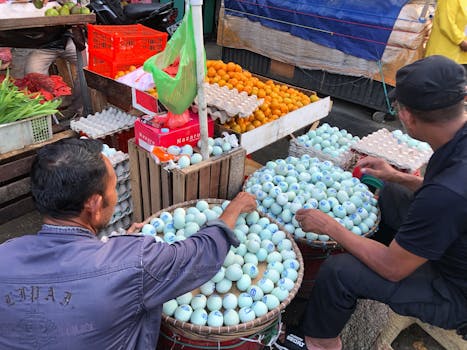
Madiun’s markets usually open before dawn, with the busiest hours between 5:00 and 10:00 AM. Vendors proudly display their wares on wooden tables or tarps—freshly harvested greens, tropical fruits, live poultry, handmade snacks, and more. According to Indonesia’s Ministry of Trade, over 70% of urban households in East Java still source their daily ingredients from traditional markets, underscoring their ongoing relevance in modern life.
Local markets are also hubs for community events and celebrations. During the annual “Grebeg Suro” festival, for example, markets teem with specialty foods and traditional crafts, turning shopping trips into cultural adventures. The market experience in Madiun is as much about the people and atmosphere as it is about the products.
Top Local Markets in Madiun: Where to Shop for Freshness
Madiun offers a diverse array of markets, each with its own specialty and atmosphere. From sprawling central markets to cozy neighborhood spots, here are some of the most popular places to explore:
Pasar Besar Madiun: Located at the heart of the city, Pasar Besar is Madiun’s largest and most comprehensive market. With over 1,000 vendors, it is the best place to find everything from fresh produce and spices to textiles and household goods. It is particularly famous for its morning vegetable auctions, where local farmers sell their harvests directly to buyers.
Pasar Kojo: Specializing in fruits and regional snacks, Pasar Kojo is renowned for its seasonal displays of tropical delights such as salak (snake fruit), durian, and rambutan. The market is also a hotspot for traditional sweets like jenang and kue lapis.
Pasar Sleko: Known for its early-morning fish market, Pasar Sleko draws crowds of seafood lovers seeking the freshest catches from the Java Sea. This market is also a great place to sample ready-to-eat dishes, including nasi pecel (rice with spicy peanut sauce) and soto Madiun.
Pasar Setonobetek: A neighborhood favorite, Pasar Setonobetek offers an intimate shopping experience with a focus on organic vegetables and local herbs. Many vendors here practice sustainable farming, making it an excellent destination for health-conscious shoppers.
Night Markets (Pasar Malam): For those who prefer shopping after sundown, Madiun’s night markets are a feast for the senses. These lively venues feature street food stalls, souvenir vendors, and live entertainment. Popular locations include Alun-Alun Madiun and Jalan Pahlawan.
Signature Regional Specialties: What to Look For
One of the joys of exploring Madiun’s markets is discovering the unique flavors that set the region apart. While Java as a whole is famed for its culinary diversity, Madiun takes pride in several signature products and specialties.
Brem: Madiun is synonymous with brem, a traditional fermented rice cake with a sweet, tangy flavor. Brem comes in both solid and liquid forms, and local market stalls often sell freshly made brem alongside vacuum-packed varieties for easy transport.
Pecel Madiun: This beloved dish is a staple in nearly every market. Pecel consists of steamed vegetables (such as long beans, spinach, and bean sprouts) drizzled with a rich peanut sauce, often accompanied by rice or lontong (rice cakes). The peanut sauce here is spicier than in other parts of Java, reflecting local tastes.
Tahu Telor: A popular street food, tahu telor combines crispy fried tofu, eggs, and bean sprouts topped with a savory-sweet peanut and soy sauce. It’s a must-try for visitors seeking authentic market snacks.
Salak Madiun: Also known as snake fruit due to its scaly skin, salak from Madiun is celebrated for its crisp texture and balanced sweetness. Statistics from the Madiun Department of Agriculture show that the city produces over 10,000 tons of salak annually, making it a major supplier for East Java.
Dawet Ayu: This refreshing drink, made from coconut milk, palm sugar, and green rice flour jelly, is a market favorite during hot afternoons. Vendors often serve it over ice in tall glasses, providing a sweet escape from the tropical heat.
Price Comparison: Markets vs. Modern Retail
Shopping in Madiun’s markets is not only about freshness and variety—it’s also about value. Traditional markets typically offer lower prices than supermarkets, especially for locally sourced items. The table below compares average prices (in Indonesian Rupiah) for common produce in Madiun’s markets versus modern retail outlets, based on a 2023 survey by the Madiun Chamber of Commerce.
| Product | Traditional Market (IDR/kg) | Supermarket (IDR/kg) |
|---|---|---|
| Tomatoes | 7,500 | 12,000 |
| Chilies | 18,000 | 25,000 |
| Shallots | 22,000 | 29,000 |
| Salak (Snake Fruit) | 9,000 | 15,000 |
| Eggplant | 8,000 | 13,000 |
As shown, shoppers can save 30-40% on average by purchasing their produce at traditional markets. Furthermore, the opportunity to buy directly from farmers ensures greater freshness and supports the local economy.
Insider Tips for Navigating Madiun’s Markets
For first-time visitors, the sheer variety and energy of Madiun’s markets can be overwhelming. Here are some practical tips to make your market adventure more enjoyable and fruitful:
Go Early: The best produce and specialty items are usually available in the early hours, before the crowds arrive and the heat of the day sets in.
Bring Cash: Most vendors operate on a cash-only basis. Small denominations are especially useful for quick transactions and bargaining.
Learn Basic Bahasa Indonesia: Simple phrases like “berapa harganya?” (how much is it?) and “boleh tawar?” (can I bargain?) go a long way in building rapport and getting the best deals.
Check for Local Certifications: Many markets feature organic or sustainably farmed products. Look for labels or ask vendors about their farming practices if you’re interested in eco-friendly choices.
Try Before You Buy: Sampling is part of the market culture. Don’t hesitate to taste a piece of fruit or a spoonful of sauce before purchasing.
Respect Customary Practices: In some markets, it’s customary to greet vendors with a smile and a “selamat pagi” (good morning). Building friendly relationships often leads to better prices and service.
Sustaining Tradition: The Future of Madiun’s Markets
While modern retail chains and online grocery services are gaining ground in Indonesian cities, Madiun’s markets remain steadfastly popular. According to a 2022 survey by Bank Indonesia, 65% of Madiun residents still prefer traditional markets for their fresh food needs. This enduring loyalty is rooted in the markets’ ability to offer not just products, but experiences—culinary discovery, personal connection, and a sense of belonging.
Local authorities and community groups are increasingly investing in market improvements, from better sanitation to digital payment options. Initiatives like Pasar Digital, where vendors can promote their goods via social media and messaging apps, are helping markets adapt to changing consumer habits while preserving their unique character.
Moreover, younger generations are rediscovering the value of fresh, locally sourced food. Market tours, cooking classes, and food festivals are attracting culinary tourists and fostering a deeper appreciation for Madiun’s gastronomic heritage.