Madiun and its Local Crafts: Discover Traditional Products and Their Creators
Madiun, a vibrant city in East Java, Indonesia, is widely celebrated for its dynamic industries, culinary delights, and historical significance. Yet, beneath its modern progress lies a treasure trove of traditional crafts—unique products shaped by generations of skillful hands and creative minds. From the rhythmic clatter of batik artisans to the earthy aroma of bamboo weaving, Madiun’s local crafts not only preserve cultural heritage but also provide livelihoods for thousands of residents. This article takes you on an in-depth journey to discover Madiun’s traditional crafts, their origins, the artisans who keep these traditions alive, and why supporting local creators matters more than ever.
The Rich Heritage of Madiun’s Handicrafts
Madiun’s craft traditions date back centuries, reflecting a blend of Javanese culture, local resources, and historical trade influences. The city is strategically located along major railway and trade routes, which helped local crafts gain recognition beyond East Java. According to data from the Madiun Department of Industry and Trade, there are more than 5,000 home-based craft businesses in the region as of 2023, employing over 12,000 people directly.
Key traditional crafts from Madiun include:
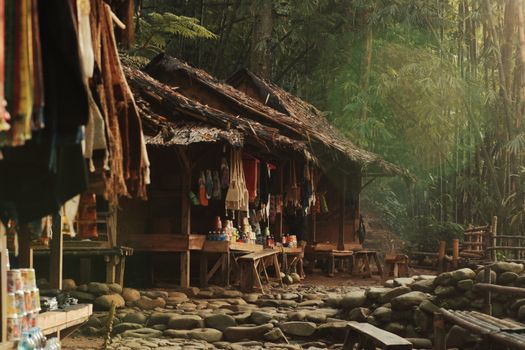
- Batik Madiun: Known for its earthy tones and nature-inspired motifs. - Kerajinan Bambu (Bamboo Crafts): From baskets to furniture, these are both functional and artistic. - Kerajinan Kulit (Leather Crafts): Madiun is famous for its quality leather goods, especially sandals and wallets. - Gamelan Instruments: Traditional percussion instruments, often handcrafted by local smiths.These crafts are deeply intertwined with Madiun’s identity, with each village or district often specializing in a particular art form.
.png)
Batik Madiun: Patterns with a Story
Among all traditional crafts, Batik Madiun stands out for its distinctive style and cultural significance. Batik is a centuries-old textile art involving wax-resist dyeing to create intricate patterns. Unlike the brighter batiks of Solo or Yogyakarta, Batik Madiun is known for its subdued, earthy tones—browns, greens, grays—often depicting local flora and fauna, such as bamboo shoots, rice stalks, and Madiun's famed pecel leaves.
The village of Jetis, just outside Madiun city center, is the heart of Batik Madiun production. Jetis Batik has been recognized by the Indonesian government as part of the nation’s cultural heritage. According to the Jetis Batik Association, over 200 craftswomen and men are active in the area.
A notable example is Ibu Sulastri, a third-generation batik artisan, whose workshop employs 15 women. She explains, “Every motif tells a story—about our environment, our beliefs, and our hopes.” Batik Madiun is used for school uniforms, official ceremonies, and increasingly, as modern fashion statements.
Bamboo Crafting: Weaving Utility and Art
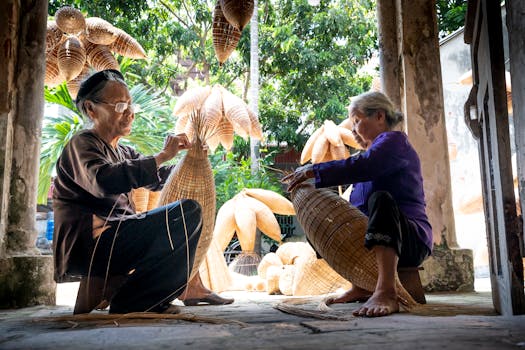
Bamboo is a common material in East Java, but Madiun’s bamboo crafts have a character all their own. The villages of Mejayan and Balerejo are particularly renowned for their bamboo weaving traditions, known locally as anyaman bambu.
Typical products include baskets (keranjang), mats (tikar), and even lightweight furniture. In recent years, innovative artisans have started producing decorative lampshades, serving trays, and eco-friendly packaging. The craft is often a family enterprise, with techniques passed down through generations.
According to the Madiun Craft Cooperative, the bamboo craft sector produced over 500,000 items for domestic and export markets in 2022. Most artisans use locally sourced bamboo, making the craft both sustainable and environmentally friendly.
Pak Suyono, a 62-year-old craftsman from Balerejo, shares, “We can weave a basket in two hours, but the real art is in preparing the bamboo—splitting, smoothing, and drying it to the perfect condition.”
Leather Goods: The Signature of Madiun’s Artisans
Madiun’s leather industry has its roots in the Dutch colonial era, when the area became a center for military supplies, including leather boots and saddles. Today, leather craft in Madiun is synonymous with quality and durability, producing sandals (sandal kulit), wallets, belts, and bags.
The majority of workshops are concentrated in the Taman and Kartoharjo districts, employing hundreds of skilled artisans. According to 2023 statistics, the leather sector in Madiun generates annual revenues of over IDR 25 billion (approximately USD 1.7 million).
What sets Madiun’s leather goods apart is the meticulous hand-stitching and use of locally tanned hides. The products are popular across Java, often sold at local markets and online platforms. Many artisans, like Pak Hadi, have adapted to digital sales channels, shipping custom orders nationwide and even to Malaysia and Singapore.
Connecting with the Creators: Workshops and Community Initiatives
What makes Madiun’s craft scene truly special is the opportunity for visitors and locals alike to meet the creators and learn about their work. Several workshops and community initiatives have opened their doors for craft tourism, offering hands-on experiences.
For example:
- Batik Jetis Workshop: Visitors can try their hand at waxing and dyeing their own batik cloth. - Bamboo Weaving Classes in Mejayan: Artisans teach the basics of bamboo splitting and weaving. - Leather Craft Studios in Taman: Guests can design and assemble their own wallet or keychain.These initiatives not only supplement artisan incomes but also foster cultural exchange and preserve traditional skills. The Madiun Tourism Office reported a 30% increase in craft tourism programs between 2021 and 2023, attracting both domestic and international visitors.
Several NGOs and local government programs also provide training, marketing support, and microloans to help young artisans start their own workshops, ensuring the survival and evolution of these crafts.
Comparing Madiun’s Main Traditional Crafts
The diversity of Madiun’s crafts is best appreciated by looking at their key characteristics side by side. Here’s an overview:
| Craft Type | Main Materials | Key Products | Main Locations | Estimated No. of Artisans (2023) |
|---|---|---|---|---|
| Batik | Cotton, natural dyes, wax | Cloth, shirts, scarves | Jetis | 200+ |
| Bamboo Crafts | Bamboo, rattan | Baskets, mats, furniture | Mejayan, Balerejo | 500+ |
| Leather Goods | Leather, thread, metal hardware | Sandals, wallets, belts | Taman, Kartoharjo | 300+ |
| Gamelan Instruments | Bronze, wood | Gongs, drums, metallophones | Manguharjo | 50+ |
Why Supporting Madiun’s Local Crafts Matters
Buying Madiun’s traditional products is more than a souvenir hunt—it’s an investment in people, culture, and sustainability. Here are some compelling reasons to support local crafts:
1. Economic Impact: According to the Ministry of Cooperatives and SMEs, the creative economy (including crafts) contributed IDR 1.2 trillion to Madiun’s regional GDP in 2022. 2. Cultural Preservation: Each purchase helps keep ancient techniques alive, passing them on to younger generations. 3. Environmental Benefits: Many crafts use natural, renewable materials and traditional, low-impact processes. 4. Social Empowerment: Craft production is a vital source of income for women and rural families, promoting community development.By choosing authentic Madiun crafts, consumers can make a direct difference in artisan livelihoods and help foster a vibrant, sustainable local economy.
Final Reflections on Madiun’s Living Craft Traditions
Madiun’s local crafts are more than objects—they are living testaments to creativity, resilience, and heritage. Whether it’s the intricate lines of Batik Jetis, the practical artistry of bamboo weaving, or the sturdy elegance of hand-stitched leather, each product tells a story of its maker and its land. As the world grows ever more connected, these crafts offer a meaningful bridge between past and present, tradition and innovation.
For travelers, collectors, and conscientious consumers alike, discovering Madiun’s traditional crafts is an invitation to connect with authentic culture and support the people who keep these invaluable traditions thriving.