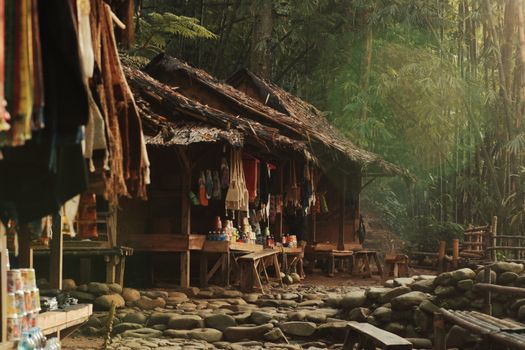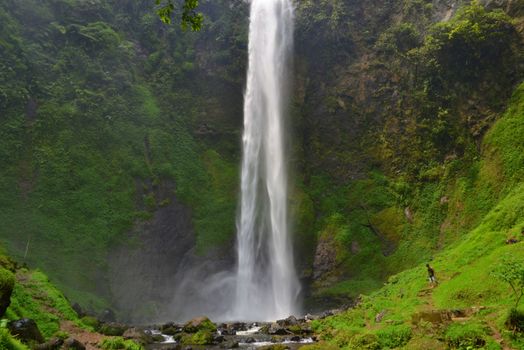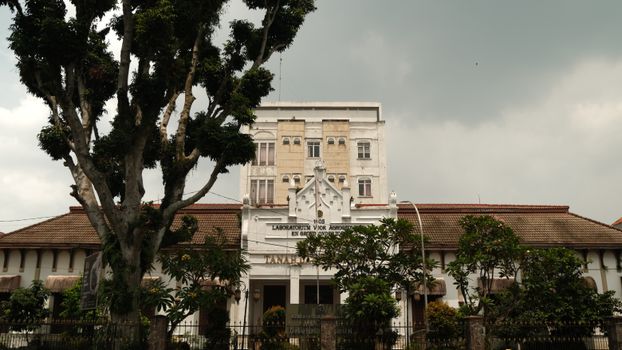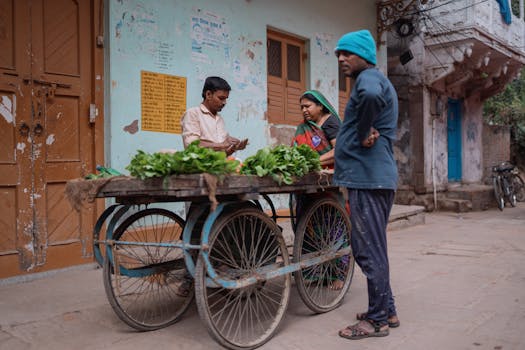
Madiun, a city nestled in East Java, Indonesia, has long been admired for its rich heritage, scenic landscapes, and vibrant local culture. In recent years, however, Madiun has begun to draw attention for another compelling reason: the transformative impact of tourism on its local economy. As more travelers discover this dynamic city, the ripple effects are visible across industries, livelihoods, and even local government strategies. But how, exactly, has tourism reshaped Madiun’s economic landscape? This article delves into the numbers, the stories, and the broader implications of tourism’s growing footprint in Madiun.
The Growing Tourist Footfall in Madiun
Tourism in Madiun has seen an impressive upward curve over the past decade. According to the Madiun City Tourism Office, visitor numbers increased from approximately 150,000 in 2015 to over 420,000 in 2023—a staggering 180% growth. This surge is not accidental. With the city’s strategic promotional campaigns, improved transportation infrastructure, and the allure of new attractions, both domestic and international tourists are increasingly making Madiun part of their itineraries.
What makes Madiun so appealing? The city boasts a unique mix: historical landmarks, culinary delights like the famed "pecel Madiun," lush parks, and proximity to natural wonders such as Mount Wilis. Annual events like the Madiun Batik Carnival and local festivals have also played a significant role in attracting visitors, further boosting overnight stays and local spending.
.png)
Economic Benefits: Jobs, Income, and Local Business Growth
Tourism is a proven engine for job creation, and in Madiun, the sector’s expansion has been a lifeline for many residents. According to 2023 data from the Central Bureau of Statistics (Badan Pusat Statistik or BPS) Madiun, the tourism and hospitality sector now employs around 6,500 workers, an increase of 38% from five years ago.
The influx of tourists has sparked the growth of hotels, guesthouses, restaurants, cafes, souvenir shops, and tour services. For example, the number of registered accommodation providers in Madiun grew from 49 in 2017 to 92 in 2023. Small and medium enterprises (SMEs), in particular, have flourished—over 500 new tourism-related SMEs have been established since 2018, ranging from handicraft makers to local tour guides and culinary ventures.
This economic activity translates to higher incomes for families and increased tax revenues for the city. In 2022 alone, tourism generated an estimated Rp 75 billion (about USD 5 million) in direct local revenue, not counting the additional indirect economic effects.
Sectoral Impact: Who’s Benefiting the Most?
Not all sectors benefit equally from tourism’s rise. The hospitality and food services industries are the most direct recipients, but the ripple effects reach far beyond hotels and restaurants. Here’s an overview comparing key sectors impacted by tourism in Madiun:
| Sector | Main Benefits from Tourism | Growth (2017-2023) |
|---|---|---|
| Hospitality (Hotels, Guesthouses) | Increased occupancy rates, higher revenues, job creation | +87% new establishments |
| Food & Beverage | Higher demand for local cuisine, new restaurants/cafes | +64% new outlets |
| Transport (Taxis, Rentals) | More bookings, stable income for drivers | +41% increase in services |
| Retail & Handicrafts | Boost in sales for souvenirs, batik, and crafts | +58% new SMEs |
| Tour Services & Guides | Rising demand for local tours, language services | +73% registered guides |
These numbers make it clear: tourism is not a siloed industry. It creates a multiplier effect, stimulating growth in various connected sectors. For instance, the popularity of Madiun’s batik patterns among tourists has fueled a resurgence of local batik workshops, reviving heritage skills while generating modern income streams.
Tourism-Driven Urban Development and Infrastructure
One of the most visible impacts of tourism on Madiun’s economy is the acceleration of urban development. The local government, recognizing tourism’s potential, has invested heavily in infrastructure projects that serve both visitors and residents.
From 2020 to 2023, the city allocated more than Rp 120 billion (roughly USD 8 million) to upgrade roads, improve public transportation, and renovate major tourist sites like Alun-Alun Madiun and Taman Bantaran Kali Madiun. These projects not only enhance the tourist experience but also improve daily life for locals—better roads mean smoother commutes, and upgraded parks provide green spaces for everyone.
Additionally, investment in digital infrastructure has made Madiun more accessible to tech-savvy travelers. Free public Wi-Fi zones, digital tourism guides, and online booking systems cater to the expectations of younger tourists and support local businesses in reaching a wider audience.
Challenges: Balancing Growth with Sustainability
While the economic benefits of tourism are substantial, Madiun faces important challenges in managing this growth sustainably. The rapid increase in visitor numbers can put pressure on local resources, infrastructure, and the environment. For example, during peak holiday seasons, popular sites like Sun City Waterpark and Taman Trembesi have reported overcrowding and increased waste generation.
The local government has responded with initiatives such as the "Green Tourism Madiun" program, which promotes eco-friendly practices among businesses, encourages responsible waste management, and supports community-based tourism. Still, ongoing education and investment are required to ensure that tourism growth does not compromise the city’s natural and cultural assets.
Another challenge is ensuring that the economic benefits are distributed fairly. While urban businesses often see the greatest gains, rural communities and traditional artisans sometimes struggle to tap into the tourist market. To address this, partnerships between local authorities, NGOs, and community groups are being formed to develop rural tourism and support micro-enterprises in less-visited areas.
The Future Outlook: Tourism as a Catalyst for Inclusive Growth
Looking ahead, tourism is poised to remain a cornerstone of Madiun’s economic strategy. The city’s 2024-2028 Regional Tourism Development Plan aims to increase annual tourist arrivals by another 30% by 2028, while prioritizing sustainable practices and inclusive growth. Key initiatives include:
- Expanding community-based tourism, with training for rural homestays and local guides - Developing new eco-tourism circuits connecting Madiun’s nature reserves and agro-tourism sites - Promoting digital marketing for local SMEs, helping artisans and food producers reach new markets - Partnering with private investors to create themed resorts and cultural centersThe city’s vision is clear: tourism should not only boost the economy but also empower local communities, preserve cultural heritage, and protect the environment. If these goals are met, Madiun could emerge as a model for other mid-sized Indonesian cities seeking to harness tourism for sustainable, broad-based development.
Final Thoughts on the Economic Impact of Tourism in Madiun
Tourism’s impact on Madiun’s economy is multifaceted and profound. Beyond the immediate financial gains, tourism has catalyzed job creation, inspired urban renewal, and revitalized local traditions. With careful management and community involvement, the sector’s growth can continue to enrich the lives of Madiun’s residents while preserving the city’s unique charm for generations to come.
As Madiun positions itself as an increasingly attractive destination, the challenge—and the opportunity—lies in balancing economic progress with cultural and environmental stewardship. The journey ahead will determine not just the city’s prosperity, but the quality of life for all who call Madiun home.