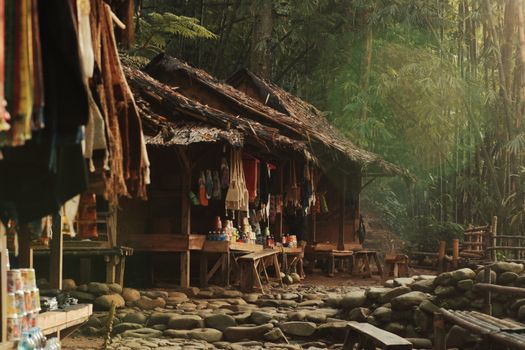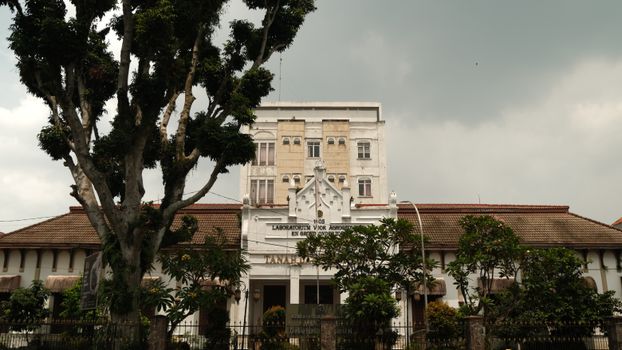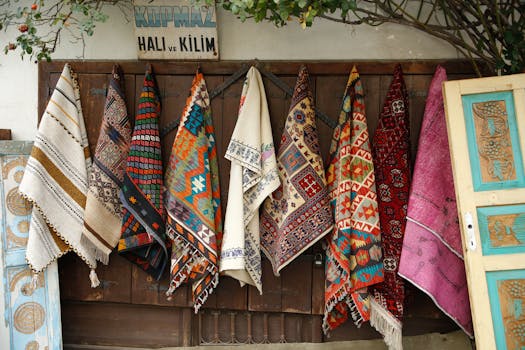
Madiun, a thriving city in East Java, Indonesia, is more than just a hub of cultural festivities and scenic landscapes—it’s also a living gallery of traditional crafts. For centuries, local artisans have preserved and passed down unique techniques, creating a vibrant heritage of handmade goods. These crafts tell the story of Madiun’s people, their creativity, and their profound connection to the land. Whether you’re a collector, a traveler seeking souvenirs, or someone fascinated by Indonesia’s rich cultural tapestry, discovering Madiun’s traditional crafts unveils a world of artistry and tradition.
The Heart of Madiun Craftsmanship: A Glimpse into Local Heritage
Madiun’s crafts are rooted in the daily lives of its people and reflect a blend of Javanese traditions and local ingenuity. The region’s crafts range from intricate woven mats to distinctive batik patterns and practical yet beautiful kitchen utensils. Many of these items serve both utilitarian and decorative purposes, embodying the philosophy that beauty and functionality can go hand in hand.
The craft sector remains a significant contributor to the local economy, with over 2,000 artisans and small-scale producers supporting their families through this work as of 2023. According to the Madiun Office of Tourism and Culture, the city has seen a 20% increase in craft-focused tourism over the past five years, indicating growing appreciation for these handmade treasures. By supporting local crafts, visitors and residents alike help sustain these age-old traditions.
.png)
Batik Madiun: Patterns That Tell a Story
Batik is perhaps Indonesia’s most famous textile art, and in Madiun, this tradition flourishes with distinctive motifs and colors. Unlike the batik from Solo or Yogyakarta, Batik Madiun features more earthy tones and geometric patterns inspired by local flora, fauna, and folklore.
One signature design is the "Batik Padi Madiun," which features rice stalk motifs representing prosperity and gratitude, a nod to the city’s agricultural roots. Workshops such as Batik Sekar Arum and Batik Sido Luhur allow visitors to witness the painstaking process of creating batik—from drawing the wax patterns (canting) to natural dyeing and finishing.
A typical hand-drawn batik cloth from Madiun can take anywhere from three days to two weeks to complete, depending on complexity. In 2022, Madiun exported over 1,200 pieces of batik to neighboring provinces and even abroad, demonstrating the growing appeal of these unique textiles.
Anyaman: The Art of Bamboo and Rattan Weaving
Another hallmark of Madiun craftsmanship is anyaman, or woven crafts, particularly using bamboo and rattan. These materials are abundant in the region and have been used for generations to create household items, baskets, mats, and decorative pieces.
The village of Pilangbango is especially renowned for its master weavers. Here, artisans employ traditional techniques that require both skill and patience—splitting bamboo into thin strips, soaking them for flexibility, and weaving them into intricate patterns. One popular product is the "tampah," a round bamboo tray used for drying rice or spices.
According to a 2023 survey by the East Java Handicraft Association, over 40% of Madiun’s craft exports are woven products. The resilience and eco-friendliness of bamboo and rattan, combined with creative designs, have made these items increasingly popular in both domestic and international markets.
Kerajinan Keris: Madiun’s Blade Crafting Tradition
The keris, a traditional Javanese dagger, holds a special place in Indonesian culture as both a weapon and a spiritual object. Madiun’s blacksmiths (known locally as "empu") have long been revered for their skill in forging keris. The process is labor-intensive, involving layers of iron, nickel, and sometimes precious metals, hammered together and repeatedly folded to create the iconic wavy blade.
Madiun’s keris are recognized for their unique pamor, or forging patterns, which are believed to imbue the blade with spiritual significance. Some blades are centuries old, passed down as family heirlooms, while others are commissioned for ceremonies or as collectibles.
Today, there are fewer than 30 active empu in the region, but demand remains strong. In 2021, Madiun’s keris artisans produced over 400 blades for local collectors and cultural events. The city’s keris are often showcased in exhibitions and have won awards at national heritage festivals.
Pottery and Earthenware: Shaping Madiun’s Clay Heritage
Pottery is another enduring craft in Madiun, especially in the villages of Nglames and Wungu. Local clay, known for its fine texture and red hue, is shaped into functional wares such as water jars, cooking pots, and decorative pieces. The techniques have been honed over centuries, often passed down through generations within families.
A unique aspect of Madiun pottery is the use of natural pigments and hand-carved motifs, distinguishing it from mass-produced ceramics. Potters use foot-powered wheels and open-air kilns to fire their creations, giving each piece a handmade character.
In 2022, the Madiun Pottery Collective reported an increase of 15% in sales, driven by renewed interest in sustainable and locally made products. Pottery workshops now offer hands-on experiences for visitors, contributing to the craft’s revival.
Woodcraft and Traditional Toys: Preserving Childhood Imagination
Woodworking is another vital part of Madiun’s craft landscape, with artisans producing everything from furniture to traditional toys. The village of Tiron, for example, is known for its handmade wooden toys, such as spinning tops (gasing) and animal figurines.
These toys are made from local hardwoods, sanded smooth, and painted with non-toxic dyes. They offer an alternative to plastic imports, encouraging parents to choose eco-friendly options for their children. In addition to toys, Madiun woodworkers also craft decorative items and household utensils, blending modern aesthetics with traditional techniques.
The woodcraft sector employs over 350 artisans locally, according to the 2023 Madiun Small Industries Report, making it a significant source of income for rural families.
Comparing Traditional Crafts in Madiun: An Overview
To better understand the diversity and significance of Madiun’s traditional crafts, here’s a comparative overview highlighting key details:
| Craft Type | Main Materials | Signature Products | No. of Artisans (2023) | Annual Output (est.) |
|---|---|---|---|---|
| Batik | Cotton, natural dyes, wax | Batik Padi, Batik Sekar Arum | ~500 | 1,200+ pieces |
| Bamboo & Rattan Weaving | Bamboo, rattan | Tampah, baskets, mats | ~800 | 3,000+ items |
| Keris Forging | Iron, nickel, precious metals | Keris blades | ~30 | 400+ blades |
| Pottery | Local clay, natural pigments | Jars, pots, decorative ceramics | ~150 | 2,000+ pieces |
| Woodcraft | Hardwood, natural paints | Toys, utensils, decor | ~350 | 4,500+ items |
Where to Find and Support Madiun’s Makers
If you’re eager to experience Madiun’s traditional crafts firsthand or support local artisans, there are several ways to do so:
- Visit village workshops in Pilangbango (for weaving), Nglames (pottery), and Tiron (woodcraft). - Explore local markets such as Pasar Besar Madiun to find authentic handmade products. - Attend the annual Madiun Craft Fair, where artisans showcase their wares and offer live demonstrations. - Engage in hands-on workshops, which are increasingly popular among domestic and international tourists. - Purchase directly from craft collectives or cooperatives to ensure your money goes directly to the makers.By choosing locally made crafts, you not only bring home a piece of Madiun’s heritage but also help sustain the livelihoods of its talented artisans.
The Enduring Value of Traditional Crafts in Madiun
Madiun’s crafts are more than objects—they are expressions of identity, creativity, and community resilience. In a world increasingly dominated by mass production, these handmade treasures remind us of the value of tradition and the importance of supporting local culture.
From the intricate lines of batik to the sturdy beauty of bamboo weaving and the spiritual artistry of the keris, Madiun’s makers continue to innovate while honoring their roots. As interest in sustainable and authentic products grows, the city’s crafts are poised to reach new audiences and inspire future generations.
Whether you’re a curious traveler or a proud resident, exploring Madiun’s traditional crafts offers a deeper connection to the city’s soul—one woven, painted, carved, and shaped by countless skilled hands.