Madiun, a vibrant city in East Java, Indonesia, is often celebrated for its dynamic economy, delicious culinary delights, and its status as a growing urban center. But beneath its modern façade lies a trove of hidden stories, legends, and fascinating facts that rarely find their way into mainstream travel guides. This article delves deep into the lesser-known side of Madiun, exploring the mysterious origins of its name, legendary figures, untold historical incidents, and unique cultural phenomena that have shaped the city's identity over the centuries.
The Hidden Meaning Behind the Name "Madiun"
Madiun’s name is both intriguing and mysterious. While many assume it’s simply a geographic label, local folklore and linguistic research suggest deeper roots. According to historical sources, the name "Madiun" is believed to derive from the Javanese words "Madi" (to meditate or contemplate) and "Un" (which can mean 'quiet' or 'remote'), reflecting the area’s early status as a secluded place for meditation and spiritual retreat.
Legend has it that Madiun was once a dense forest, used by ascetics and royal figures seeking enlightenment. This spiritual heritage still echoes today, with several ancient sites in and around the city—such as the Sendang Panguripan spring in Kare district—reputed to possess mystical properties. In fact, according to local oral traditions, the area was chosen as a site for royal meditation by the legendary Prince Ronggo Jumeno, a revered figure in Madiun's pre-colonial history.
.png)
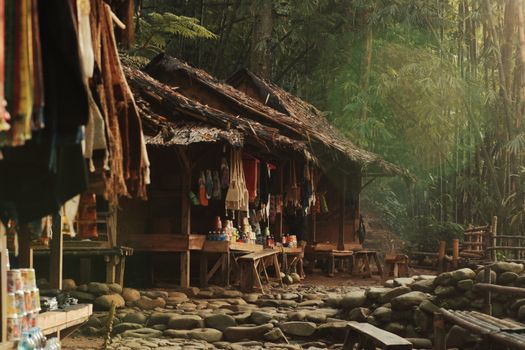
Despite its transformation into a bustling city, Madiun retains an air of tranquility, especially in its older neighborhoods and natural surroundings, which many believe is a direct inheritance from its origins as a place of calm contemplation.
Legendary Figures and Enigmatic Heroes of Madiun
Over the centuries, Madiun has produced—and been shaped by—extraordinary personalities whose stories are woven into the city’s folklore.
One of the most prominent is Ki Ageng Panembahan Ronggo Jumeno, often considered the spiritual founder of Madiun. According to legend, he was a powerful noble who established the region’s earliest settlements and played a crucial role in mediating conflicts between neighboring kingdoms. His tomb, located in the village of Demangan, is still visited by pilgrims seeking blessings and wisdom.
Another fascinating character is Prince Timoer, who led a rebellion against Dutch colonial rule in the early 19th century. His daring exploits, including daring raids and acts of sabotage, are still recounted in local stories. Despite being captured and exiled, Prince Timoer’s legacy endures as a symbol of resistance and bravery.
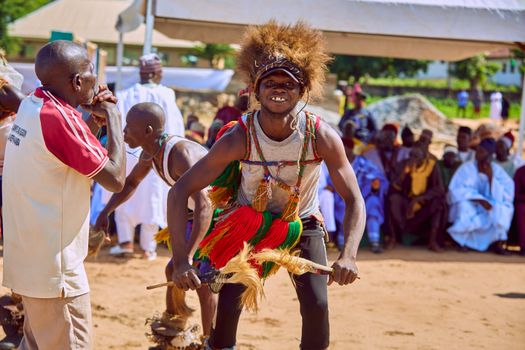
Madiun is also known for its “Prajurit Suro,” a legendary warrior corps believed to possess supernatural abilities. Local performances and processions often invoke the spirit of these ancient soldiers, believed to protect the city from disaster and misfortune.
Untold Historical Incidents: The Madiun Affair and Beyond
While most visitors to Madiun are familiar with its modern history, few realize the city played a pivotal role in one of Indonesia’s most dramatic post-independence events: the Madiun Affair of 1948. This political upheaval saw a short-lived communist uprising, with Madiun as its epicenter.
Between September and December 1948, the city became the stage for fierce clashes between Indonesian Republican forces and the communist-led People’s Democratic Front. An estimated 8,000 people lost their lives during this period, making it one of the bloodiest chapters in Indonesia’s struggle for stability after World War II.
Though the Madiun Affair left deep scars, it also forged a culture of resilience among its residents. Many families in Madiun still have ancestors who witnessed or participated in these turbulent events. Despite the trauma, the city has embraced a spirit of reconciliation and remembrance, with several local museums and monuments quietly commemorating this period.
Beyond the Madiun Affair, the city has faced—and overcome—numerous challenges, from natural disasters (such as the 2007 floods, which displaced over 50,000 people) to economic crises. Each time, the community’s sense of solidarity has enabled it to recover and thrive.
Enigmatic Sites: Caves, Springs, and Sacred Trees
Madiun’s landscape is dotted with enigmatic sites believed to be imbued with mystical power or ancient significance. Among the most intriguing are its caves and sacred springs, many of which are associated with local legends.
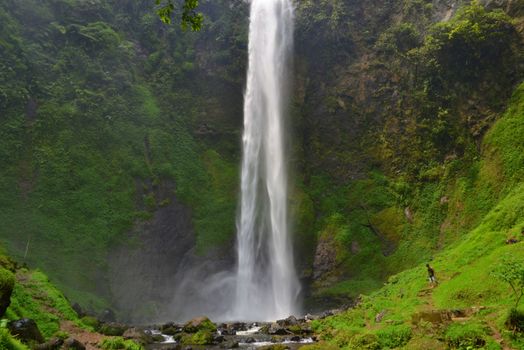
The Nglambor Cave, for example, is said to have been used by early Javanese kings for meditation and spiritual rituals. Local guides often recount tales of mysterious lights and inexplicable sounds that have been witnessed by visitors. Similarly, the Sendang Panguripan spring is reputed to have healing properties; locals still perform offerings here on certain auspicious days.
Another fascinating spot is the ancient banyan tree at Alun-Alun Madiun (the city’s grand square). According to legend, this tree is guarded by a supernatural being known as “Mbah Tunggul.” Locals believe that anyone who attempts to harm or cut the tree will be cursed with misfortune. As a result, the tree is left untouched and is often the site of quiet offerings and prayers.
Below is a comparative overview of some of Madiun’s most legendary sites:
| Site Name | Location | Legend or Belief | Modern Use |
|---|---|---|---|
| Nglambor Cave | Kare District | Former meditation site of Javanese kings; mysterious phenomena | Tourism, mystic rituals |
| Sendang Panguripan | Kare District | Healing spring; believed to grant longevity | Local pilgrimages, ceremonies |
| Banyan Tree at Alun-Alun | City Center | Guarded by 'Mbah Tunggul' spirit; brings luck or misfortune | Cultural ceremonies, public gatherings |
| Demangan Tomb | Demangan Village | Resting place of Ki Ageng Panembahan Ronggo Jumeno | Pilgrimage, historical remembrance |
Mystical Rituals and Enduring Urban Legends
Madiun’s cultural identity is intertwined with a rich tapestry of rituals and urban legends that continue to thrive in the modern era. Some of the most enduring involve annual ceremonies designed to secure the city’s safety and prosperity.
For instance, the “Larung Sesaji” ritual is performed at local rivers and springs, where residents float offerings to the spirits believed to protect the city from floods and drought. This tradition, dating back centuries, is more than just folklore—it’s a communal event that strengthens social ties and preserves local wisdom.
Another mysterious aspect of Madiun’s folklore is the legend of “Kyai Pecitran,” a mythical crocodile said to inhabit the Brantas River. According to locals, sightings of Kyai Pecitran are believed to foretell major events—either good or bad—for the city. Despite the lack of scientific evidence, these stories persist and are often retold during family gatherings and local festivals.
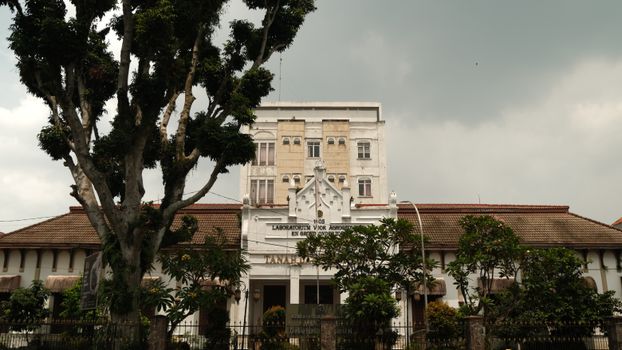
It’s also common to hear tales of supernatural encounters in Madiun’s old colonial-era buildings. Some residents report unexplained noises, sudden drops in temperature, and ghostly apparitions, particularly in the historic railway station, which dates back to 1882 and is one of the oldest in East Java.
The Unique Role of Madiun in Javanese Mysticism
Madiun holds a special place in the practice of Javanese mysticism, known locally as “kejawen.” This spiritual tradition blends elements of animism, Hinduism, Buddhism, and Islam, and has deeply influenced the city’s folklore and daily life.
Historically, Madiun was considered one of the “pancer” (centers) of kejawen thought, attracting spiritual seekers from across Java. Even today, the city is renowned for its traditional healers (“dukun”), who employ ancient rituals, herbal remedies, and incantations. According to a 2022 survey by the East Java Cultural Heritage Agency, over 60% of Madiun’s elderly population still believe in the efficacy of traditional spiritual practices.
Madiun is also home to several “pesantren” (Islamic boarding schools) that blend Islamic teaching with Javanese mystical traditions. This cultural synthesis is reflected in local festivals, marriage ceremonies, and even in the city’s unique approach to conflict resolution, which often prioritizes harmony and spiritual balance over legalistic solutions.
Fascinating Facts about Madiun: Final Reflections
While Madiun is rapidly modernizing, its identity remains anchored in a rich tapestry of legends, historical mysteries, and cultural oddities. From legendary warriors and mystical springs to haunted buildings and enduring rituals, the city offers far more than meets the eye. Exploring these hidden facets not only enriches our understanding of Madiun but also reveals the enduring power of folklore and tradition in shaping a community’s sense of self.
Whether you’re a history buff, a seeker of the supernatural, or simply curious, Madiun’s unknown stories and legends provide endless inspiration and a deeper connection to the heart of East Java.