Madiun and Its Cultural Heritage: History and Significance of Local Traditions and Celebrations
Nestled in the heart of East Java, Madiun is a city renowned for more than its strategic location and vibrant urban life. What truly sets Madiun apart is its deep-rooted cultural heritage, visible in the tapestry of its unique traditions, colorful celebrations, and age-old rituals. While many travelers pass through Madiun en route to other destinations, those who pause to explore its local customs are rewarded with a richer, more meaningful understanding of Javanese culture. In this article, we delve into the fascinating history of Madiun’s traditions, the significance of its most cherished celebrations, and how these customs continue to shape community identity in the 21st century.
The Historical Roots of Madiun’s Cultural Heritage
Madiun’s cultural identity is intricately linked to its history, stretching back to the era of the Mataram Kingdom in the 16th century. The city was once a strategic power center, serving as a buffer region between rival sultanates and a melting pot for Javanese, Madurese, and even Chinese influences.
.png)
One of the oldest traditions still alive today is “Bersih Desa,” a village purification ceremony that predates modern administrative boundaries. Historical records from the colonial era indicate that Bersih Desa was already practiced in the 1800s, serving as a way for local communities to honor ancestral spirits and ensure the fertility of the land. The longevity of such traditions speaks to the resilience of Madiun’s people, who have preserved their rituals through periods of upheaval, including the Java War (1825-1830) and the Japanese occupation during World War II.
Today, Madiun’s cultural heritage is a living testament to its complex past. The city boasts over 40 officially registered traditional art forms, ranging from dance and music to culinary customs, according to the Madiun Department of Culture and Tourism (2022).
Signature Celebrations: Rituals Unique to Madiun
What makes Madiun particularly remarkable is the distinctiveness of its local celebrations. While certain rituals echo those found elsewhere in Java, many have developed unique characteristics over centuries.
One of the city’s best-known festivities is the “Labuhan Sewu,” a water offering ritual held annually at the Kali Madiun riverbanks. This ceremony, which draws hundreds of participants, is believed to appease river spirits and ensure safety from floods. Participants dress in traditional attire, carrying offerings of rice, fruit, and flowers, which are then floated down the river accompanied by gamelan music.
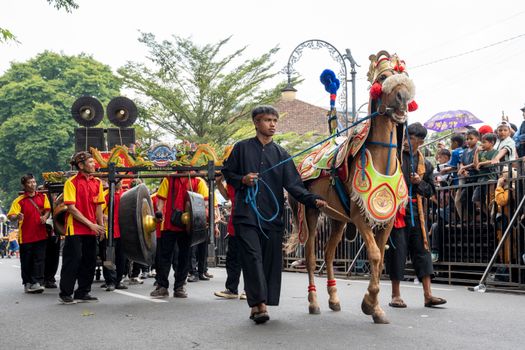
Another local highlight is the “Grebeg Suro,” held to mark the Islamic New Year (1 Muharram). Unlike similar celebrations in Solo or Yogyakarta, Madiun’s version involves the creation of a massive mountain-shaped offering called “Gunungan,” symbolizing gratitude for the year’s harvest. The Gunungan procession weaves through the city and culminates at the old City Square, where the offering is distributed to the public—a tradition believed to bring luck and prosperity.
For those interested in the performing arts, the “Wayang Thengul” puppet theater is a must-see. Originating from the Ponorogo-Madiun region, this unique puppet show employs wooden puppets and blends local folklore with Islamic moral lessons. In 2019, Madiun hosted over 20 Wayang Thengul performances, drawing both local and international visitors.
The Social and Spiritual Significance of Local Traditions
At the heart of Madiun’s traditions is a profound sense of social cohesion and spiritual meaning. Rituals like Bersih Desa and Labuhan Sewu are not merely performances for tourists—they are essential for maintaining harmony between the community, nature, and the spirit world.
These ceremonies often involve communal meals, collaborative preparation of offerings, and collective prayers. For example, during Bersih Desa, villagers gather to cook “tumpeng,” a cone-shaped rice dish surrounded by various side items, symbolizing gratitude and unity. Sharing the tumpeng is a way to reaffirm social bonds and ensure that no one in the village is left out of communal blessings.
Moreover, these traditions provide a framework for inter-generational knowledge transfer. Elders play a central role in teaching younger generations the correct way to prepare offerings, conduct rituals, and interpret symbolic meanings. According to a 2021 survey by Universitas Merdeka Madiun, over 70% of local teenagers reported having participated in at least one traditional ceremony in the past year, highlighting the continued relevance of these customs.
Traditional Attire, Music, and Dance: Living Expressions of Heritage
The vibrancy of Madiun’s cultural heritage is perhaps most visible in its traditional attire, music, and dance. Each celebration is an opportunity for locals to don their finest garments and showcase their artistic skills.
Traditional clothing in Madiun, such as the “beskap” (a type of Javanese jacket for men) and “kebaya” (a long-sleeved blouse for women), is often adorned with batik patterns unique to the region. Madiun batik is characterized by earthy tones and motifs inspired by rice plants and rivers, reflecting the area’s agricultural roots.
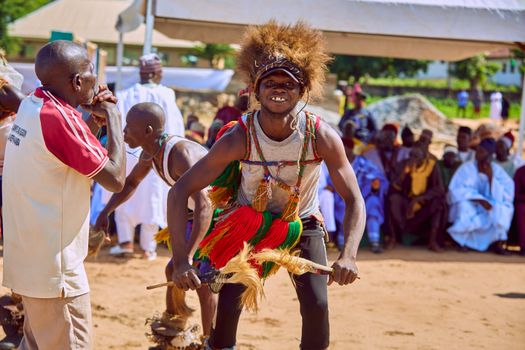
Music and dance are integral to every major celebration. The “Tari Gambyong” is a popular dance performed at weddings and public festivals, accompanied by the melodic sounds of the gamelan orchestra. Another distinctive performance is the “Reog Madiun,” which, while sharing similarities with the famous Reog Ponorogo, features unique choreography and costumes specific to Madiun’s history.
These art forms are more than just entertainment—they function as repositories of local wisdom and identity. Local cultural centers offer regular workshops in traditional music and dance, attracting over 500 participants annually (Madiun Cultural Center, 2023).
Comparing Madiun’s Traditions with Other Javanese Cities
Although Madiun shares cultural roots with other Javanese cities, its traditions have evolved in unique ways. The table below highlights some key differences and similarities between Madiun and nearby cultural hubs.
| Aspect | Madiun | Yogyakarta | Solo (Surakarta) |
|---|---|---|---|
| Main Annual Ritual | Labuhan Sewu (Water Offering), Grebeg Suro | Grebeg Maulud, Sekaten | Grebeg Sudiro, Sekaten |
| Signature Performing Art | Wayang Thengul, Reog Madiun | Wayang Kulit, Tari Bedhaya | Wayang Wong, Tari Srimpi |
| Traditional Attire | Batik with rice and river motifs | Batik with parang and kawung motifs | Batik with sidomukti and truntum motifs |
| Community Participation | Strong village-based rituals, high youth involvement | Palace-centered, open to public | Palace and community-based, with wider regional influence |
| Historical Influence | Mataram buffer region, agricultural focus | Seat of Yogyakarta Sultanate, political center | Seat of Surakarta Sunanate, cultural center |
As the table demonstrates, while there are shared elements across Javanese cities, Madiun’s agricultural heritage and strong village-based traditions give its celebrations a distinctive flavor.
Preservation Efforts and the Future of Madiun’s Cultural Heritage
In an era of rapid modernization, preserving cultural traditions can be a challenge. Madiun’s local government and community organizations have recognized the importance of safeguarding intangible heritage for future generations.
Since 2018, the city has hosted an annual “Festival Budaya Madiun,” bringing together performers, artisans, and culinary experts to showcase the region’s wealth of traditions. The festival attracts over 10,000 visitors each year and provides a platform for young artists to reinterpret traditional art forms.
Schools in Madiun have also integrated cultural education into their curricula, ensuring that students are exposed to local history, traditional music, and dance from an early age. According to data from the Madiun Education Office, over 90% of primary schools now include at least one cultural subject per semester.
Digitalization is another important tool in the preservation effort. Local NGOs have begun recording oral histories, digitizing puppet performances, and creating online archives of traditional batik patterns. These initiatives not only protect heritage from being lost but also make it accessible to a global audience.
Why Madiun’s Cultural Traditions Matter Today
The significance of Madiun’s cultural heritage extends far beyond nostalgia or tourism appeal. These traditions are living expressions of identity, resilience, and community spirit. They foster unity in times of change, provide a sense of belonging, and connect the people of Madiun to their ancestors and environment.
In a globalized world, maintaining cultural traditions is crucial for preserving diversity and ensuring that local wisdom endures. As Madiun continues to develop, its rich array of rituals and celebrations stands as a powerful reminder of the city’s unique place in Indonesia’s cultural landscape.