Madiun and Its History: Key Historical Landmarks Worth Visiting
Nestled in the heart of East Java, Madiun is a city that pulses with rich history and cultural legacy. While often overshadowed by Indonesia’s more prominent tourist destinations, Madiun stands as a living museum, echoing centuries of political, social, and economic transformation. Exploring its historical landmarks is more than a sightseeing excursion—it’s a journey through colonial intrigue, royal legacies, and the pulse of Indonesia’s independence movement. For both history enthusiasts and curious travelers, Madiun offers an immersive experience where the past and present merge harmoniously.
In this guide, we’ll uncover Madiun’s key historical landmarks, each with a story to tell. Whether you’re fascinated by colonial architecture, legendary battlefields, or sacred royal sites, Madiun promises a captivating adventure through time.
The Colonial Footprint: Landmarks from the Dutch East Indies Era
The Dutch colonial era left an indelible mark on Madiun, shaping its infrastructure and urban landscape. One of the most significant remnants from this period is the Madiun Railway Station (Stasiun Madiun), inaugurated in 1882. Not only does it serve as a crucial rail hub in East Java, but it also showcases classic Dutch architecture with high ceilings, arched windows, and intricate ironwork. The station stands as a busy transit point even today, connecting Madiun with major cities like Surabaya and Yogyakarta.
.png)
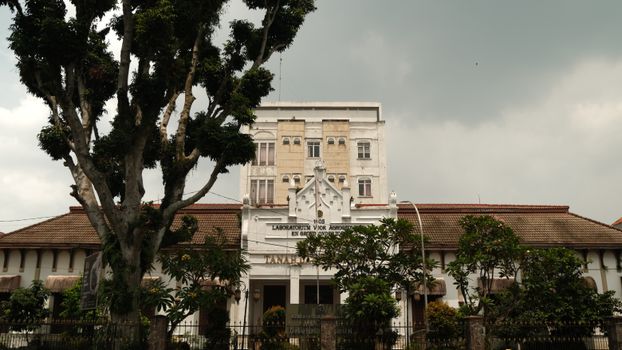
Another reminder of colonial influence is the Loji Madiun (Madiun Lodge), a stately building that once served as the residence of Dutch administrators. Built around the early 20th century, Loji Madiun blends European design with Javanese elements. Its spacious halls and lush garden grounds are a testament to the opulence of colonial rulers, while its function today as a government office keeps it at the heart of civic life.
A lesser-known landmark is the old Madiun Prison (Penjara Lama Madiun), constructed in 1911. This somber building played a significant role during Indonesia’s struggle for independence; many freedom fighters were detained and interrogated here. The prison’s sturdy brick walls and iron-barred cells offer a stark reminder of the city’s turbulent past.
Royal Heritage: Pura Mangkunegaran’s Madiun Outpost
Few people realize that Madiun was once under the influence of the Mangkunegaran Principality, based in Solo (Surakarta). This relationship is immortalized in the Pura Mangkunegaran Madiun, an outpost built in the 19th century to manage royal affairs in the region. The site is a rare fusion of Javanese palace architecture and colonial style, featuring a pendopo (open pavilion), intricately carved wooden doors, and a sacred inner courtyard.
The Pura Mangkunegaran Madiun served as a center of culture, administration, and diplomacy, bridging the local population with central Javanese authority. It’s here that visitors can witness traditional gamelan rehearsals, observe the preservation of ancient manuscripts, and see royal heirlooms on display. The outpost remains a focal point for cultural events, particularly during traditional Javanese ceremonies.
Landmarks of Struggle: Madiun in the Indonesian Independence Movement
Madiun occupies a unique place in Indonesia’s path to independence, particularly during the tumultuous events of 1948 known as the Madiun Affair. The uprising and subsequent crackdown left a profound impact on the city’s identity. One key landmark from this period is the Monumen Kresek, a striking monument located in Kresek village, about 10 kilometers from the city center.
Monumen Kresek commemorates the victims of the 1948 conflict, specifically those who were killed during the anti-communist purge. The monument’s somber reliefs and dioramas depict scenes of battle, sacrifice, and reconciliation, serving as both a memorial and a testament to the resilience of the people of Madiun. The monument attracts an estimated 50,000 visitors annually, many of whom come to pay respects or learn about this critical chapter in national history.
Another significant site is the Taman Makam Pahlawan Madiun (Heroes Cemetery), where the graves of soldiers and civilians who perished during the independence struggle are laid to rest. The cemetery is the centerpiece of annual Independence Day commemorations and is visited by school groups year-round.
Sacred Spaces: Mosques, Temples, and Sites of Spiritual Heritage
Beyond its political and colonial landmarks, Madiun is home to sites of deep spiritual importance. The Masjid Kuno Kuncen, the oldest mosque in Madiun, was established in 1754 and stands as an enduring symbol of the city’s Islamic heritage. The mosque features classic Javanese architecture, with a tiered roof and a wooden mihrab carved with Quranic verses. The site is not just a place of worship; it’s a living museum with centuries-old tombs of religious leaders and patrons.
Another notable religious landmark is the Pura Agung Wilwatikta, a Hindu temple built to honor the region’s pre-Islamic past. The temple’s annual ceremonies draw hundreds of worshipers, highlighting the city’s pluralistic roots and the survival of indigenous traditions in modern times.
Madiun’s Historical Landmarks: Visitor Data and Highlights
To help travelers plan their journey, here is a comparative overview of Madiun’s top historical landmarks, including location, year of establishment, and annual visitor numbers:
| Landmark | Year Established | Key Features | Location | Estimated Annual Visitors |
|---|---|---|---|---|
| Madiun Railway Station | 1882 | Dutch colonial architecture, active transport hub | City Center | 300,000+ |
| Loji Madiun | c. 1900 | Colonial residence, government office | Jl. Pahlawan | 20,000 |
| Pura Mangkunegaran Madiun | 19th century | Royal outpost, Javanese culture center | Jl. Diponegoro | 15,000 |
| Monumen Kresek | 1976 | Independence memorial, dioramas | Kresek Village | 50,000 |
| Masjid Kuno Kuncen | 1754 | Oldest mosque, Javanese-Islamic art | Kuncen | 10,000 |
| Pura Agung Wilwatikta | Late 20th century | Hindu temple, annual ceremonies | East Madiun | 2,000 |
Preserving Madiun’s Heritage: Challenges and Opportunities
While Madiun’s historical sites are invaluable, they also face significant challenges. Urban development, limited funding for restoration, and lack of public awareness threaten the survival of some of these landmarks. For example, several colonial-era buildings have been demolished or repurposed, erasing tangible links to the past.
However, there are positive signs. In recent years, the local government and community organizations have ramped up efforts to conserve heritage sites. The 2019 “Madiun Heritage Trail” initiative, for instance, introduced guided tours and educational programs that increased visitor numbers by 30% within a single year. Partnerships with universities and cultural foundations have also led to the digitization of archives and restoration of fragile artifacts.
Tourism is another critical force for preservation. As more travelers seek authentic, off-the-beaten-path experiences, Madiun’s unique history is gaining recognition. Responsible tourism not only boosts the local economy but also provides the resources needed to maintain and promote historical landmarks.
Experiencing Madiun’s History: Practical Tips for Visitors
To fully appreciate Madiun’s historical sites, consider timing your visit during significant anniversaries or cultural events, such as the city’s founding day in July or major Islamic holidays at Masjid Kuno Kuncen. Most landmarks are easily accessible by public transport or ride-hailing apps, and several offer guided tours in Bahasa Indonesia and English.
Photography enthusiasts will find ample inspiration in the city’s architectural contrasts, from the colonial grandeur of Loji Madiun to the rustic charm of Masjid Kuno Kuncen. For families and school groups, interactive exhibits at Monumen Kresek and Pura Mangkunegaran Madiun offer educational value beyond the classroom.
It’s advisable to check opening hours and dress modestly, especially when visiting religious sites. Admission fees are generally affordable, ranging from free to IDR 10,000 (less than $1 USD) per visitor.
Exploring Madiun’s Past: A Rewarding Journey Awaits
Madiun’s history is not just written in textbooks—it’s etched into its streets, buildings, and cultural rituals. From colonial train stations to royal outposts, sacred mosques to somber memorials, the city’s landmarks tell stories of resilience, diversity, and transformation. Exploring these sites allows visitors to connect with Indonesia’s wider narrative, while also discovering the distinct character that sets Madiun apart.
As you wander through Madiun’s historical corridors, you’ll find that each landmark offers not just a window into the past, but also a reflection of the city’s vibrant present and hopeful future.