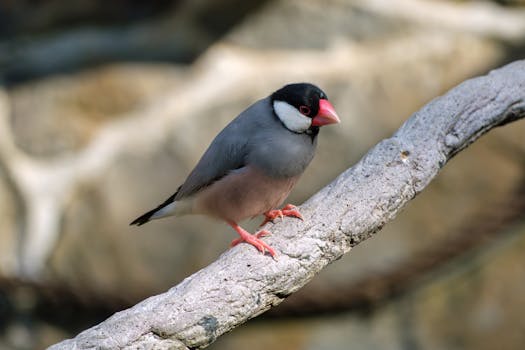
Madiun, a city nestled in East Java, Indonesia, is often celebrated for its vibrant culture, dynamic art scene, and culinary wonders. However, an entirely different side of Madiun remains lesser-known to most: its remarkable natural heritage and wildlife diversity. Beyond the bustling streets and colorful festivals, Madiun harbors hidden gems of pristine forests, undulating hills, and rich habitats that are home to unique flora and fauna. As eco-tourism and conservation awareness grow, more travelers and locals alike are drawn to the wild side of Madiun, eager to discover its living treasures.
This in-depth guide explores Madiun’s unique wildlife and nature—uncovering its rare species, protected areas, eco-tourism opportunities, and conservation efforts—offering a fresh perspective on why this destination deserves a spot on every nature lover’s map.
The Natural Landscape of Madiun: An Overview
Madiun’s geography is a tapestry of lowland forests, rolling foothills, and riverine ecosystems. Situated between the volcanic Mount Wilis to the east and the southern highlands, the region benefits from a monsoon-influenced tropical climate, fostering lush vegetation and biodiversity hotspots.
.png)
Forests cover approximately 17% of Madiun’s total area. One of the most significant forested zones is the Wilis Mountain Range, which stretches across the city’s eastern border. Here, elevations reach over 2,500 meters, creating microclimates that support both lowland and montane species. The Brantas River, which flows through the region, supports riparian habitats rich in birdlife and aquatic species.
Key Nature Areas in Madiun:
- Wilis Mountain Range: High-altitude forests and volcanic landscapes - Kali Wungu Nature Reserve: Protected riparian and lowland forest - Serut Pine Forest: Managed pine woodland and recreational area - Ngancar and Ngebel Lake: Wetland habitats supporting aquatic lifeThis natural mosaic makes Madiun a refuge for wildlife and an exciting destination for eco-travelers seeking immersive experiences in nature.
Unique and Endemic Wildlife of Madiun
Madiun’s forests and rivers are home to a fascinating array of wildlife—some found nowhere else in Indonesia. Over 150 bird species have been recorded in the region, including several endemics and migratory visitors. The area's mammal population, while elusive, is equally intriguing.
Highlighted Species:
1. Javan Slow Loris (Nycticebus javanicus): This nocturnal primate, classified as Critically Endangered by the IUCN, makes its home in Madiun’s dense canopies. It plays a vital role in pollination and pest control but faces threats from habitat loss and illegal pet trade. 2. Javan Hawk-Eagle (Nisaetus bartelsi): Indonesia’s national bird, the Javan Hawk-Eagle, is spotted in the Wilis mountains. With fewer than 600 individuals left in the wild, its presence in Madiun underscores the region’s conservation significance. 3. Ebony Leaf Monkey (Trachypithecus auratus): Also known as the Javan lutung, these social primates are often seen in the lowland and montane forests, foraging for fruits and young leaves. 4. Reticulated Python (Malayopython reticulatus): One of the world’s longest snakes, it thrives in the wetland and forested habitats near rivers and lakes. 5. Lesser Adjutant Stork (Leptoptilos javanicus): Classified as Vulnerable, this large wading bird uses Madiun’s wetlands as feeding grounds during migration.Flora Highlights:
Madiun’s forested areas are equally rich in plant diversity, supporting endemic orchids, towering teak (Tectona grandis), mahogany, and a variety of medicinal plants traditionally used by local communities.
Protected Areas and Conservation Initiatives
Recognizing the importance of its natural assets, Madiun has established several protected areas and launched community-based conservation projects. These initiatives aim to balance human needs with biodiversity protection, ensuring sustainable use of resources.
Protected Areas Snapshot:
| Name | Type | Size (hectares) | Key Features |
|---|---|---|---|
| Kali Wungu Nature Reserve | Strict Nature Reserve | 1,200 | Riparian forest, rare orchids, slow loris habitat |
| Serut Pine Forest | Community Forest | 350 | Pine woodland, eco-recreation, birdwatching |
| Wilis Mountain Zone | Protected Forest | 2,800 | Montane ecosystem, Javan Hawk-Eagle, hiking trails |
Conservation Efforts:
- Community Forest Management: Local groups manage parts of Serut Pine Forest, blending eco-tourism with sustainable harvesting and reforestation. - Wildlife Monitoring: Collaborative projects with universities and NGOs to monitor endangered species using camera traps and citizen science. - Environmental Education: Schools and village organizations regularly host conservation workshops, fostering pride and stewardship among youth.Madiun’s approach demonstrates how conservation and community development can go hand in hand, benefiting both people and wildlife.
Eco-Tourism and Responsible Wildlife Watching in Madiun
Eco-tourism in Madiun is still in its infancy but growing rapidly. The region offers a host of activities for nature enthusiasts, from forest trekking to birdwatching and river exploration. Local guides and community-based tourism initiatives ensure that wildlife experiences are sustainable and beneficial to conservation.
Popular Eco-Tourism Activities:
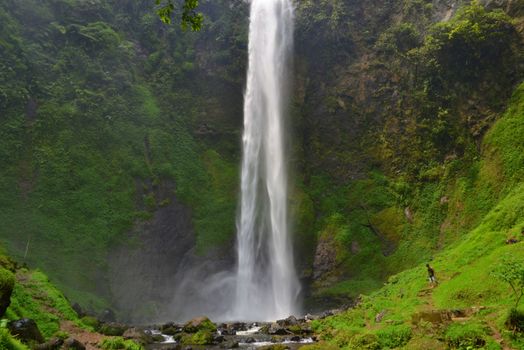
- Guided Birdwatching in Wilis Mountains: Spotting the Javan Hawk-Eagle and hornbills, with over 60 species commonly seen during migration seasons (September–November and March–May). - Night Walks for Slow Loris Viewing: Carefully organized tours in Kali Wungu allow visitors to observe nocturnal primates without disturbing their natural behavior. - Nature Trekking and Waterfall Visits: Trails around Wilis and Serut Pine Forest lead to hidden waterfalls, orchid gardens, and panoramic mountain views. - Lake and Wetland Exploration: Ngebel Lake, on Madiun’s outskirts, is a hub for canoeing and wildlife photography, particularly during the dry season when waterbirds congregate.Tourism Impact:
According to the East Java Environment Agency, eco-tourist visits to Madiun’s protected areas increased by 38% between 2019 and 2023, generating new income streams for local communities and raising awareness of the need for conservation.
Threats and Challenges to Madiun’s Natural Heritage
Despite its many strengths, Madiun’s natural environment faces significant pressures. Deforestation, agricultural expansion, and unsustainable resource use are the primary threats to wildlife and habitats in the region.
Key Challenges:
1. Habitat Loss: Over the last decade, Madiun has lost an estimated 3% of its forest cover due to illegal logging and land conversion for agriculture and housing. 2. Wildlife Trade: Endangered species like the Javan slow loris remain vulnerable to poaching for the illegal pet trade, despite legal protections. 3. Pollution: River and wetland ecosystems are affected by agricultural runoff and plastic waste, impacting aquatic species and waterbirds. 4. Human-Wildlife Conflict: Expanding settlements sometimes lead to crop raiding by monkeys and snakes, straining relations between communities and conservationists.Conservation groups and government agencies are working to address these issues through stricter enforcement, community engagement, and restoration projects. Reforestation initiatives, particularly around the Wilis Mountain area, have restored nearly 200 hectares of forest since 2020.
How to Experience Madiun’s Wildlife and Nature Ethically
For travelers and nature enthusiasts, responsible tourism is key to preserving Madiun’s unique biodiversity. Here are practical tips for ensuring your visit benefits both wildlife and local communities:
- Always use certified local guides: They ensure safe, respectful encounters with wildlife and support community livelihoods. - Stick to marked trails: This minimizes disturbance to sensitive habitats and reduces erosion. - Avoid buying wildlife or animal products: Support conservation by refusing to purchase souvenirs made from protected species. - Participate in citizen science: Join local wildlife monitoring efforts or tree planting programs during your visit. - Follow “leave no trace” principles: Carry out all litter, avoid picking plants, and respect the natural quiet of wild places.By making responsible choices, visitors can help ensure Madiun’s natural wonders thrive for generations to come.
Final Thoughts on Discovering Madiun’s Unique Wildlife and Nature
Madiun is far more than an urban hub or cultural crossroads—it is an ecological treasure trove waiting to be explored. From the misty peaks of Mount Wilis to the tranquil banks of Ngebel Lake, the region’s diverse landscapes support a wealth of wildlife, including some of Java’s rarest species.
As conservation efforts gain momentum and eco-tourism blossoms, Madiun stands as a model for sustainable nature-based travel in Indonesia. Whether you are a birdwatcher, a trekking enthusiast, or a curious traveler, Madiun’s wild side offers unforgettable adventures and the chance to make a positive impact.
For those seeking new horizons beyond the ordinary, discovering Madiun’s unique wildlife and nature is a journey worth taking.