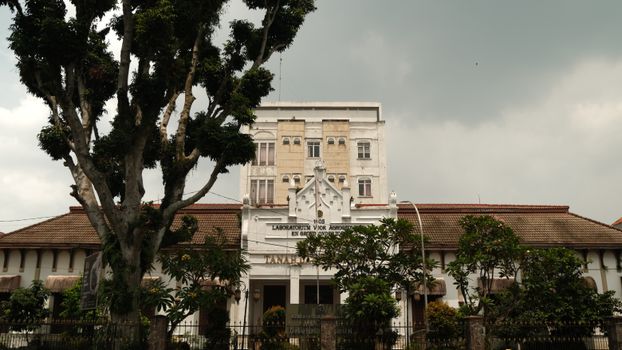
Madiun, a dynamic city nestled in East Java, Indonesia, is quickly emerging as a regional educational hub. While it is often celebrated for its rich history, culinary delights, and economic transformation, Madiun’s vibrant educational landscape deserves its own spotlight. With a blend of established schools, burgeoning universities, and innovative training centers, Madiun offers diverse educational opportunities for students of all ages. This article takes a close look at the city’s educational options, the unique features of its institutions, and how Madiun is positioning itself as a center for learning in East Java.
The Growth of Education in Madiun: Setting the Stage
Education in Madiun has grown in step with the city’s rapid development. In the past decade, Madiun’s population has increased by over 14%, reaching approximately 210,000 residents in 2023, according to the Indonesian Central Bureau of Statistics. This demographic expansion has heightened the demand for quality education at all levels—from preschools to universities.
The local government has responded by investing in educational infrastructure, supporting both state and private institutions. As a result, Madiun now boasts more than 130 primary and secondary schools, alongside several higher education institutions. The city’s focus on education is evident from its above-average literacy rate of 98.4% (as of 2022), placing it among the most literate cities in East Java.
.png)
Primary and Secondary Schools: Foundations for Future Success
Madiun offers a wide variety of primary (SD) and secondary (SMP and SMA) schools, both public and private. Public schools tend to be more affordable and follow the national curriculum, while private schools often provide additional programs such as bilingual instruction, religious studies, or international curricula.
Notable public schools include SDN 01 Madiun and SMPN 2 Madiun, both known for their academic achievements and active extracurricular programs. In the private sector, institutions like Sekolah Kristen Petra Madiun and SMP Muhammadiyah 1 Madiun are highly regarded for their holistic educational approaches.
A significant trend in Madiun’s schools is the emphasis on science, technology, engineering, and mathematics (STEM) education. For example, SMA Negeri 1 Madiun has received regional awards for its robotics and mathematics teams, and several schools now offer coding and computer science as part of their curriculum.
Furthermore, many schools in Madiun have established partnerships with local businesses and universities, providing students with early exposure to career pathways. This practical orientation is a distinctive feature of Madiun’s education system, preparing students to meet the demands of a changing job market.
Higher Education in Madiun: Universities and Vocational Institutions
While Madiun may not have the same number of universities as Surabaya or Malang, it is home to several reputable higher education institutions that serve both local and regional students. The city’s higher education landscape includes universities, polytechnics, and specialized colleges, each offering unique programs.
Some of the prominent institutions in Madiun include:
- Universitas Merdeka Madiun (UNMER Madiun): Established in 1979, this private university offers undergraduate and postgraduate programs in fields such as economics, law, education, and engineering. With over 5,000 students, UNMER Madiun is known for its strong community engagement and research activities. - Politeknik Negeri Madiun (PNM): Founded in 2002, PNM specializes in vocational and applied science programs, including informatics engineering, mechanical engineering, and transportation management. The polytechnic’s close ties with local industries ensure that graduates are job-ready and in demand. - Universitas PGRI Madiun (UNIPMA): Focused primarily on teacher education and training, UNIPMA offers a range of undergraduate and graduate degrees in education, arts, and social sciences. The university is recognized for its contributions to teacher development in East Java.In addition to these, Madiun is home to several academies and colleges specializing in health sciences, Islamic studies, and information technology. This diversity allows students to pursue various career paths without leaving the city.
Comparing Education Options in Madiun: Schools and Universities at a Glance
Parents and students are often faced with the challenge of choosing the right educational institution. Below is a comparative overview of some leading schools and universities in Madiun, highlighting key features:
| Institution | Type | Programs Offered | Student Population | Unique Features |
|---|---|---|---|---|
| SDN 01 Madiun | Public Primary School | Grades 1-6 | 750 | STEM clubs, modern library |
| SMA Negeri 1 Madiun | Public High School | Grades 10-12 | 1,200 | Robotics, national competition winners |
| Sekolah Kristen Petra Madiun | Private (Christian) | Primary & Secondary | 900 | Bilingual programs, arts focus |
| Universitas Merdeka Madiun (UNMER) | Private University | Undergraduate, Postgraduate | 5,000+ | Community research, business incubator |
| Politeknik Negeri Madiun (PNM) | Public Polytechnic | Diploma, Applied Science | 2,100 | Industry partnerships, internships |
| Universitas PGRI Madiun (UNIPMA) | Private University | Education, Social Sciences | 6,500 | Teacher training, regional outreach |
This table demonstrates the range of offerings and specializations that Madiun’s educational institutions provide, catering to diverse academic interests and career goals.
Specialized and Alternative Education: Meeting Diverse Needs
Beyond mainstream schools and universities, Madiun has developed a network of specialized educational centers and alternative learning options. These include vocational schools (SMK), language institutes, religious boarding schools (pesantren), and training centers for specific skills.
Vocational schools are particularly popular in Madiun, serving over 5,600 students as of 2023. SMK Negeri 1 Madiun, for example, offers courses in automotive technology, culinary arts, and business administration. These programs are designed to align with the needs of local industries, ensuring graduates have marketable skills.
Language education is another area of growth. Institutions such as Lembaga Bahasa LIA Madiun and English First Madiun offer English and other foreign language courses, responding to increased demand for language proficiency in the job market.
For students seeking religious or character-based education, Madiun’s pesantren and Islamic schools provide a blend of academic and spiritual learning. These institutions play a significant role in the city’s educational fabric, with thousands of students enrolled annually.
Supporting Student Success: Scholarships, Facilities, and Community Programs
Recognizing the importance of accessible education, both government and private organizations in Madiun offer a range of scholarships and financial aid programs. In 2023, over 1,800 students received scholarships from the city government, with additional support from non-profit organizations and alumni associations.
Modern facilities are another hallmark of Madiun’s educational institutions. Many schools and universities are equipped with computer labs, science laboratories, sports complexes, and libraries. For example, Universitas Merdeka Madiun’s new entrepreneurship center, opened in 2022, provides students with resources to launch their own businesses and participate in startup competitions.
Community involvement is strong in Madiun. Regular educational fairs, science exhibitions, and cultural festivals allow students to showcase their talents and connect with mentors. Volunteer programs, such as teaching assistance in rural schools, help foster a sense of social responsibility among students.
The Future of Education in Madiun: Toward a Knowledge-Based City
Madiun’s commitment to education is paving the way for a knowledge-based local economy. The city’s 2022-2027 development plan includes funding for digital learning initiatives, teacher training, and international exchange programs. By integrating technology and global perspectives into the curriculum, Madiun aims to prepare its students for success both at home and abroad.
The increasing number of graduates from Madiun’s universities is already having an impact. According to a 2023 survey by the Madiun Education Office, 74% of local university graduates found employment within six months of graduation—well above the national average of 62%. This positive trend is expected to continue as the city expands its educational infrastructure and forges new partnerships with industries and international institutions.
Madiun’s educational sector is also fostering innovation and entrepreneurship. University-based incubators, vocational training in emerging technologies, and community-based learning are all contributing to a vibrant, future-ready workforce.