Madiun, a vibrant city nestled in East Java, Indonesia, is a living tapestry of tradition, celebration, and community spirit. While often overshadowed by its larger neighbors, Madiun’s festivals and traditions provide a unique insight into the region’s cultural soul. From elaborate processions to sacred rituals, these events are more than mere spectacles—they are the essence of communal identity, interwoven with history and local wisdom. This article provides a comprehensive snapshot of Madiun’s festivals and traditions, exploring their significance, diversity, and the ways in which they foster unity and continuity across generations.
The Heartbeat of the City: Annual Festivals in Madiun
Madiun’s festival calendar is dotted with vibrant events that bring the city to life. Among the most prominent is the Grebeg Suro Festival, a celebration marking the Islamic New Year (1 Muharram) that also fuses local Javanese spiritual beliefs. Every year, thousands of residents and visitors gather in the city for a procession featuring the Kirab Pusaka—an elaborate parade of sacred heirlooms and traditional music. In 2023, the festival attracted over 30,000 participants, reflecting its deep-rooted appeal.
Another signature event is the Madiun Carnival, an explosion of colors, costumes, and creativity. This festival, held annually in August to coincide with Indonesia’s Independence Day, showcases Madiun’s artistic flair and communal pride. Local schools, community groups, and artisans compete in creating the most striking floats and performances. In 2022, the carnival drew an estimated 50,000 spectators, boosting local tourism and small businesses.
.png)
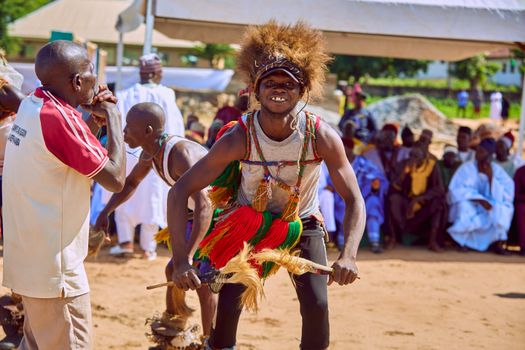
These festivals are more than entertainment; they reinforce collective identity and serve as a platform for younger generations to learn local history, arts, and values. With each passing year, the city’s commitment to festival culture not only strengthens social bonds but also attracts cultural tourists, contributing to Madiun’s growing reputation as an East Javanese cultural hub.
Rituals of the Land: Agricultural and Harvest Traditions
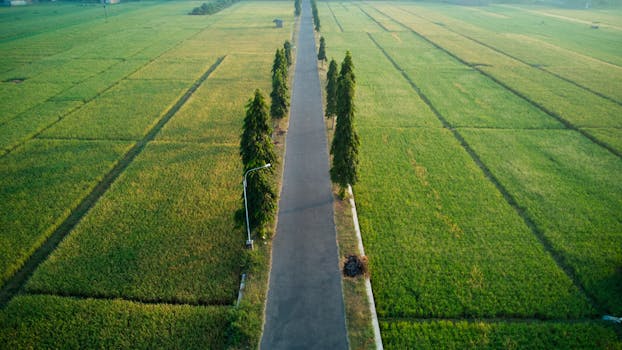
Agriculture remains the lifeblood of Madiun’s economy, and its traditions are deeply tied to the land. One of the most important rituals is the Sedekah Bumi, or “Earth Alms,” a thanksgiving ceremony held by farming communities after the rice harvest. This ritual, usually performed in May or June, involves communal feasting, prayers, and the symbolic offering of agricultural produce to ancestral spirits and Dewi Sri, the Javanese rice goddess.
Sedekah Bumi is not merely a religious event—it is a social gathering that strengthens neighborhood ties and collective resilience. In 2021, over 80 villages in Madiun Regency participated in Sedekah Bumi, with ceremonies typically involving more than 500 people each. The ritual underscores the community’s respect for nature and gratitude for the bounty of the earth.
Another notable tradition is the Nyadran, a communal pilgrimage to ancestral graves. Held before the planting season, Nyadran blends animistic beliefs with Islamic teachings, emphasizing remembrance, humility, and the interconnectedness of life and death. These agricultural rituals are vital in preserving ecological wisdom and perpetuating the sustainable practices that have supported Madiun’s communities for centuries.
Traditional Arts in Celebration: Reog Ponorogo and Wayang Kulit
No snapshot of Madiun’s traditions would be complete without mention of its performance arts, which are integral to festivals and community gatherings. The Reog Ponorogo, though originating from neighboring Ponorogo, has become a mainstay in Madiun’s cultural scene. This dramatic dance features performers in ornate lion masks (barongan), accompanied by the thunderous beat of gamelan music. During festivals, Reog troupes compete and collaborate, captivating audiences with feats of strength and artistry.
Wayang Kulit, or shadow puppetry, is another cherished tradition. Local dalangs (puppet masters) stage all-night performances narrating epics from the Ramayana and Mahabharata, often weaving in local folklore and contemporary social messages. In 2022, Madiun hosted more than 40 public wayang kulit performances, drawing crowds of all ages.
These art forms are not only entertainment but also vehicles for moral education, social critique, and preservation of ancient wisdom. Through these performances, Madiun’s residents maintain a living link to their historical roots while innovating to keep the arts relevant for modern audiences.
Religious Harmony: Interfaith Celebrations and Local Wisdom
Madiun is home to a mosaic of religious communities, including Muslims, Christians, Hindus, and Buddhists. This diversity is reflected in its calendar of religious celebrations, which are marked by mutual respect and interfaith cooperation. The city government actively supports joint events, especially during major holidays like Eid al-Fitr, Christmas, and Waisak (Buddhist Vesak Day).
One unique tradition is the Grebeg Maulud, commemorating the Prophet Muhammad’s birthday. Distinct from the Grebeg Suro, this festival features processions from mosques to city squares, charity events, and communal meals (kenduri) open to all residents, regardless of faith. In 2023, the Grebeg Maulud in Madiun saw participation from over 20 religious organizations.
Madiun’s inclusive approach extends to Chinese New Year (Imlek), when the city’s Chinese-Indonesian community decorates temples and shares traditional treats with neighbors. This spirit of tolerance and shared celebration has contributed to Madiun’s reputation as one of East Java’s most harmonious cities, as reflected in a 2022 survey where 92% of residents reported positive interfaith relations.
Comparing Major Festivals in Madiun: Scale, Origins, and Cultural Impact
To better understand the diversity and significance of Madiun’s festivals, consider the following comparative overview:
| Festival | Annual Attendance | Main Features | Origins | Cultural Impact |
|---|---|---|---|---|
| Grebeg Suro | 30,000+ | Heirloom parade, traditional music, rituals | Islamic-Javanese | Strengthens local identity, attracts tourists |
| Madiun Carnival | 50,000+ | Colorful floats, costumes, performances | Modern, linked to Independence Day | Boosts tourism, showcases creativity |
| Sedekah Bumi | 500+ per village | Harvest thanksgiving, communal meals | Animist-Islamic | Promotes ecological awareness, social cohesion |
| Grebeg Maulud | 5,000+ | Religious processions, charity, feasts | Islamic | Fosters interfaith unity |
This table underscores the breadth of Madiun’s celebratory life, from intimate village rituals to grand citywide spectacles. Each event, whether rooted in ancient custom or modern innovation, plays a unique role in shaping the city’s identity and strengthening its social fabric.
Preserving and Evolving: The Future of Madiun’s Traditions
As the city modernizes, questions arise about the future of its festivals and traditions. Urbanization, the influence of digital culture, and shifting demographics pose challenges to the persistence of age-old customs. Yet, Madiun has shown remarkable adaptability. Many festivals have embraced innovation—such as live-streaming events, incorporating contemporary art, and expanding educational outreach to schools.
The local government and cultural organizations have launched preservation initiatives, including the annual Madiun Culture Week, which documents and promotes traditional performances, culinary arts, and crafts. In 2023, more than 1,000 youths participated in festival organizing committees and cultural workshops, ensuring the transmission of knowledge and skills to the next generation.
Moreover, the tourism sector has begun to recognize the value of intangible heritage. In 2022, cultural tourism accounted for 15% of Madiun’s total visitors, with festival-related travel projected to grow by 8% annually through 2025.
By balancing tradition with innovation, Madiun ensures that its festivals remain relevant, inclusive, and vibrant for years to come.
Conclusion
Madiun’s festivals and traditions are more than fleeting moments of festivity—they are vital expressions of collective memory, resilience, and creativity. From the grandeur of Grebeg Suro to the intimate rituals of Sedekah Bumi, these celebrations capture the diversity and dynamism of Madiun’s society. As the city continues to evolve, its commitment to honoring and adapting its cultural heritage sets it apart as a beacon of harmony and vibrancy in East Java. For residents and visitors alike, experiencing Madiun’s festivals is a journey into the living heart of Javanese culture.